Credential-Theft Malware Campaigns Targeting Windows via Social Engineering and Trusted Services
Malware Intelligence · 2 sources · Updated 5mo ago · First seen Feb 20, 2026
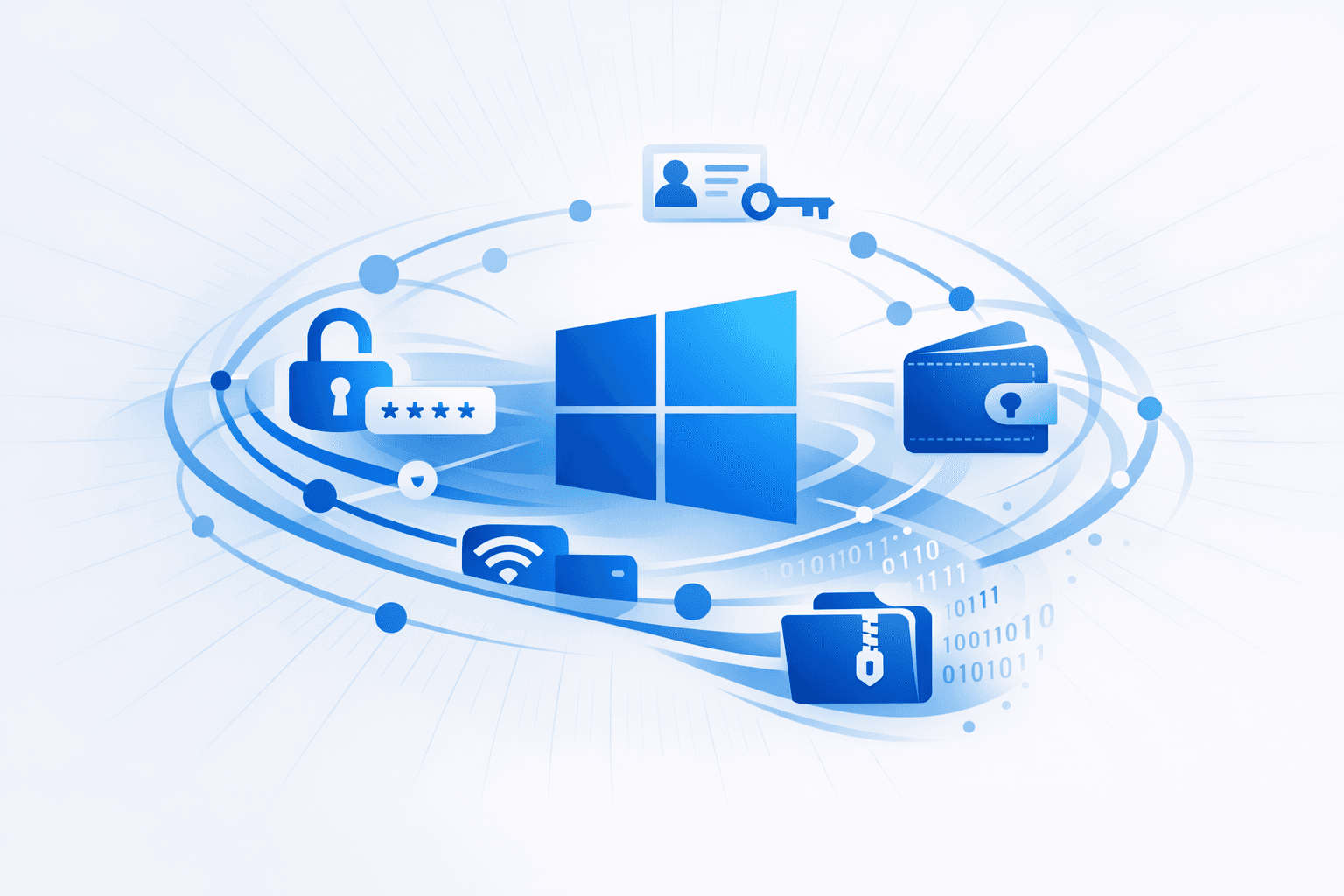
Multiple reports describe active malware campaigns targeting Windows users with a focus on credential, session, and wallet theft delivered through social engineering and abuse of legitimate services. CharlieKirk Grabber, a Python infostealer packaged with PyInstaller, is distributed via phishing, cracked software, cheats, and social-media lures; it kills browser processes (via TASKKILL) to access credential stores, collects passwords/cookies/autofill/Wi‑Fi data, zips the loot, uploads it to GoFile, and relays the download link to operators via Discord webhooks or Telegram bots. Separately, attackers are buying Facebook ads impersonating Microsoft to drive victims to cloned Windows 11 download pages on lookalike domains (e.g., ms-25h2-update[.]pro), delivering a malicious installer that steals saved passwords, browser sessions, and cryptocurrency wallet data; the campaign uses geofencing/sandbox evasion to show benign content to data-center IPs while serving malware to likely end users.
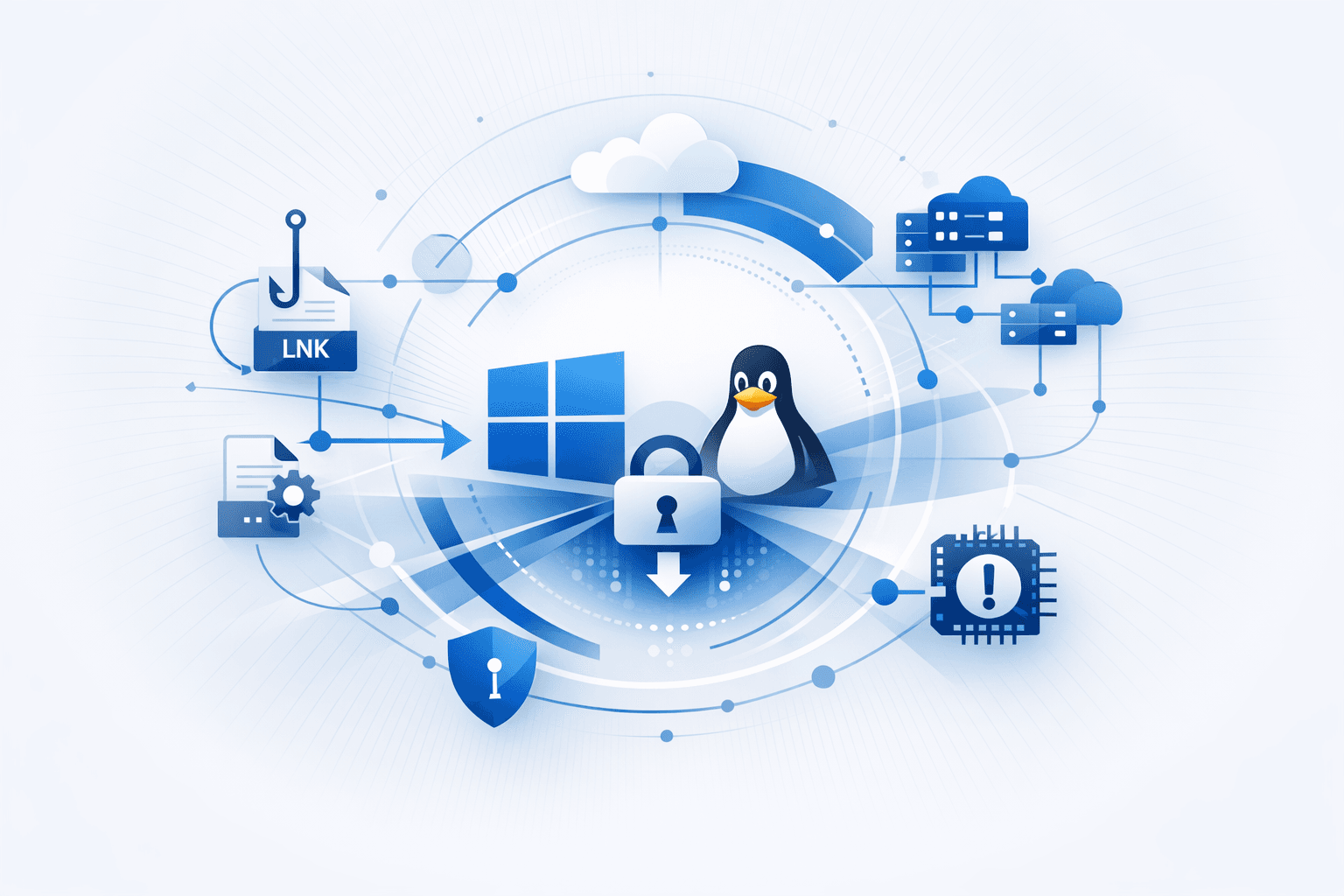
Other contemporaneous activity highlights broader Windows-targeted intrusion tradecraft and adjacent threats. FortiGuard Labs reported Winos 4.0 (ValleyRat) phishing campaigns in Taiwan using tax and e-invoice lures, with delivery chains including malicious LNK downloaders, DLL sideloading, and BYOVD using the vulnerable driver wsftprm.sys, supported by rapidly rotating domains and cloud hosting. In LATAM, a fake bank-receipt lure delivers XWorm v5.6 via a .pdf.js double-extension WSH dropper that uses junk-padding and Unicode obfuscation, then reconstructs and runs PowerShell (spawned via WMI) and abuses trusted hosting (e.g., Cloudinary) for later stages—enabling credential theft and potential ransomware follow-on. Additional reporting covered a USB-propagating Monero cryptomining operation capable of crossing air-gapped environments, a new Linux SysUpdate variant with encrypted C2 traffic (and a Unicorn Engine-based decryption approach developed during DFIR), and the Foxveil loader abusing Cloudflare Pages, Netlify, and Discord to stage shellcode and persist via services or SysWOW64 masquerading—these are separate threats but reinforce the trend of attackers blending into trusted infrastructure and common user workflows.
Why it matters
Impact assessment
Active Windows-focused malware campaigns are targeting end users and enterprise users through phishing, social media lures, cracked software, and fake software-update workflows. The primary impact is credential theft, browser session hijacking, Wi-Fi credential theft, and cryptocurrency wallet compromise, which can lead to account takeover, fraud, lateral movement, and follow-on intrusion.
These campaigns have broad exposure because they abuse trusted platforms and common user behaviors, including Facebook ads, GitHub-hosted payloads, Discord, Telegram, and GoFile. Exploitation is occurring in the wild: CharlieKirk Grabber was reported first seen in February 2026, and the fake Windows 11 download campaign was actively distributing malware through paid ads and lookalike domains.
Affected populations
- Windows users downloading software from untrusted sources or responding to social engineering lures
- Organizations that allow browser-stored credentials and persistent user sessions
- Users with cryptocurrency wallets or wallet extensions on infected endpoints
- Enterprises with unmanaged or lightly controlled PowerShell, temp-path execution, and outbound access to trusted consumer services
Severity and business risk
- High risk of account takeover from stolen passwords, cookies, and session tokens
- High risk of financial loss for users holding cryptocurrency wallets
- Moderate to high enterprise risk from stolen Wi-Fi credentials and browser sessions enabling internal access
- Reputational and operational impact if compromised sessions are used for business email, SaaS, or administrative portals
Scope and exploitation status
- Scope is broad rather than narrowly targeted; delivery relies on mass social engineering and malvertising
- Trusted-service abuse increases click-through and lowers user suspicion
- Known active exploitation in the wild is described for both CharlieKirk Grabber and the fake Windows 11 installer campaign