Phishing and BEC Trends Show Increased Impersonation and Evolving Social Engineering
Social Engineering & Fraud · 2 sources · Updated 5mo ago · First seen Jan 15, 2026
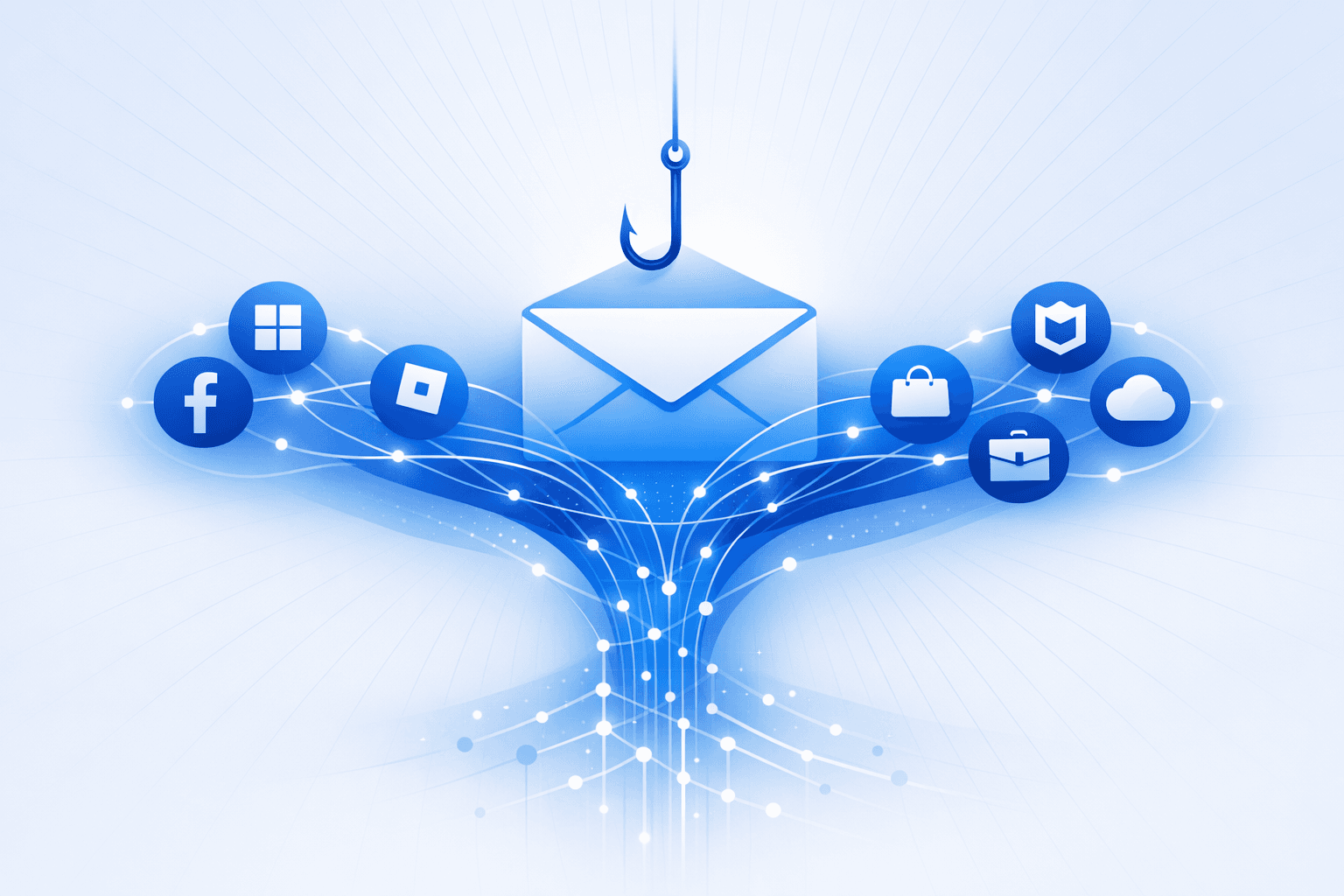
Threat researchers reported continued growth and diversification in impersonation-driven phishing. Guardio data cited by KnowBe4 identified Microsoft as the most impersonated brand in phishing during Q4 2025, followed by Facebook, Roblox, McAfee, Steam, AT&T, Amazon, Google, Yahoo, and Coinbase. The activity reportedly surged around high-traffic seasonal moments (e.g., Black Friday “storefront” scams, December delivery scams, and January job-search lures), reflecting attackers’ focus on exploiting predictable user behavior and time-sensitive themes.
Separately, LevelBlue SpiderLabs reported BEC activity increased 15% in 2025 vs. 2024 based on MailMarshal telemetry, averaging 3,000+ BEC messages/month (peaking at 4,300 in July). The report noted seasonal/operational timing effects (e.g., quarter transitions and summer vacation staffing gaps) and highlighted evolving tactics including “contact details swapping,” where attackers impersonate finance teams to “update” official contact information to redirect payments or communications. Together, the reporting indicates sustained growth in impersonation and social engineering as a primary driver of fraud and account compromise risk, with attackers adapting lures to business cycles and consumer seasons.
Why it matters
Impact assessment
Impersonation-led phishing and BEC activity remain a broad, high-frequency threat affecting both enterprises and consumers, with elevated risk for organizations that rely on email-driven approvals, vendor communications, and seasonal customer engagement. The business impact is primarily fraudulent payments, account compromise, credential theft, and reputational damage, with LevelBlue SpiderLabs reporting BEC activity up 15% in 2025 versus 2024 and averaging more than 3,000 messages per month.
Key impact points
- Affected populations include enterprise users, finance and accounts-payable teams, HR/recruiting functions, customer-facing staff, and consumers using major online brands.
- Industries with heavy exposure include retail, logistics, telecom, SaaS/cloud, gaming, financial services, and cryptocurrency platforms due to brand impersonation themes tied to shopping, deliveries, subscriptions, and tax season.
- Scope is widespread rather than narrowly targeted because the lures abuse globally recognized brands and predictable seasonal behavior.
- Known malicious themes include Black Friday fake storefronts, December delivery/package scams, and January job-search scams.
- BEC risk is operationally significant because attackers time campaigns around quarter transitions and summer vacation staffing gaps, increasing the chance of payment fraud and process bypass.
- A specific evolving fraud pattern, contact details swapping, can redirect payments or business communications by impersonating finance teams and changing official contact information.
Structured facts extracted
- Entity: Guardio
- Entity: KnowBe4
- Entity: LevelBlue SpiderLabs
- Entity: MailMarshal
- Entity: Microsoft
- Entity: Facebook
- Entity: Roblox
- Entity: McAfee
- Entity: Steam
- Entity: AT&T
- Entity: Amazon
- Entity: Google
- Entity: Yahoo
- Entity: Coinbase
- Statistic: Microsoft was the most impersonated brand in phishing during Q4 2025.
- Statistic: BEC activity increased 15% in 2025 versus 2024.
- Statistic: MailMarshal telemetry averaged 3,000+ BEC messages per month.
- Statistic: BEC volume peaked at 4,300 messages in July.
- Incident status: The reporting describes active phishing and BEC activity in the wild, but does not attribute campaigns to a named threat actor.