Phishing and BEC Campaigns Abusing Trusted Platforms and Infrastructure
Social Engineering & Fraud · 2 sources · Updated 5mo ago · First seen Jan 14, 2026
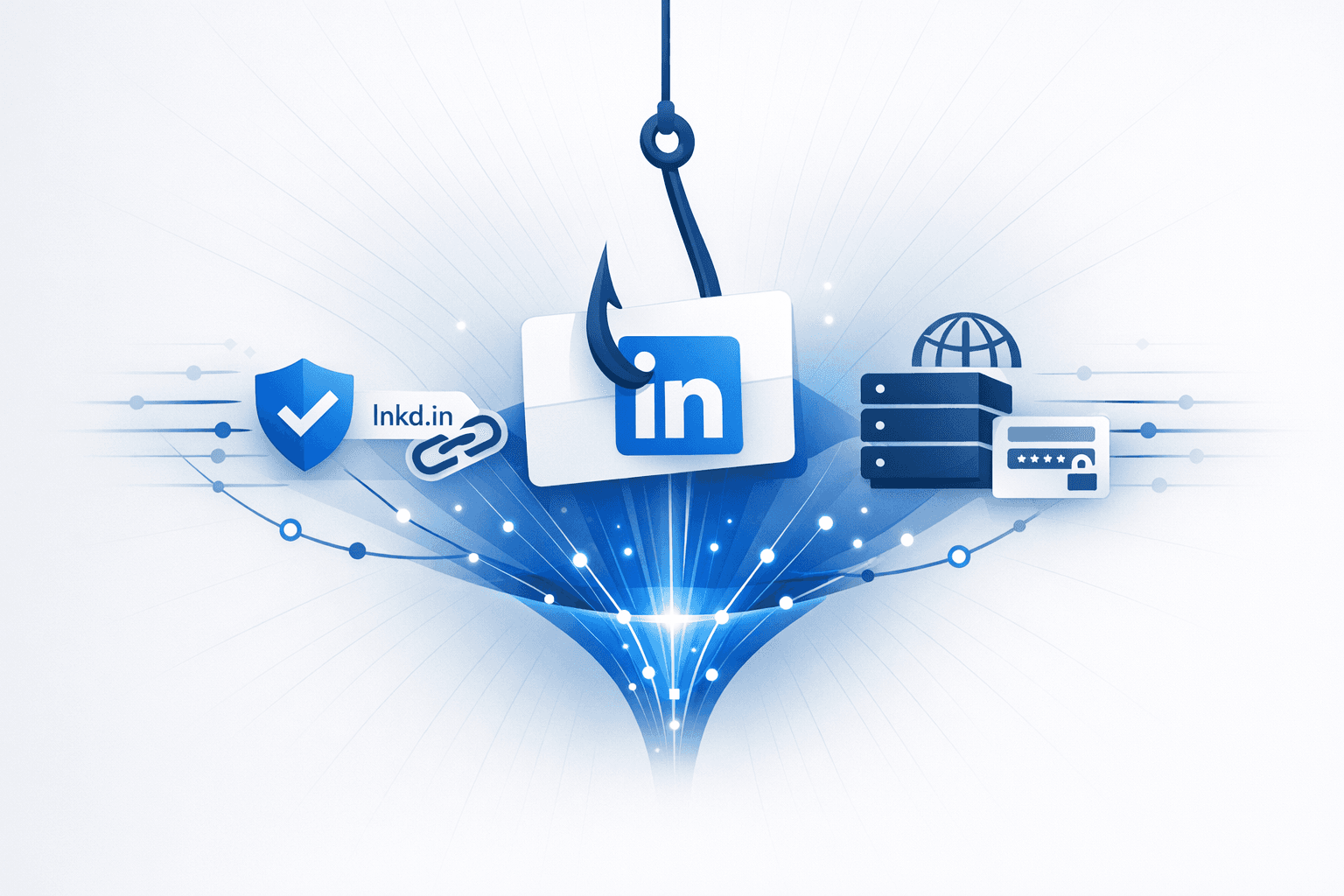
A wave of phishing activity is leveraging trusted brands and legitimate platform features to increase click-through and evade security controls. LinkedIn users are being targeted via fake “reply” comments posted on public threads that impersonate LinkedIn policy enforcement, claim an account violation, and push victims to external credential-harvesting pages. The lures mimic official branding and sometimes use LinkedIn’s own lnkd.in shortener to obscure destinations; reported redirect chains include Netlify-hosted pages (e.g., very1929412.netlify[.]app) leading to additional domains (e.g., very128918[.]site) designed to capture credentials. LinkedIn stated it is aware of the campaign and emphasized it does not communicate policy violations via public comments.
Separately, RavenMail reported a large-scale email phishing campaign impacting 3,000+ organizations (notably manufacturing) that abused Google infrastructure to bypass defenses: messages were sent via legitimate Google services, passed SPF/DKIM/DMARC, and used trusted Google-hosted URLs and Google Cloud Storage to host payloads and redirectors—without requiring a compromise of Google itself. In parallel trend reporting, LevelBlue SpiderLabs observed BEC volume rising 15% in 2025 based on MailMarshal telemetry (averaging 3,000 intercepted BEC messages per month), with evolving social engineering such as “contact details swapping,” where attackers impersonate finance teams to “update” official contact information to divert payments or data; this underscores continued attacker focus on impersonation and trust exploitation across both social platforms and email ecosystems.
Why it matters
Impact assessment
This activity affects organizations and users that rely on trusted platforms for communication, especially LinkedIn users and enterprises with heavy email exposure in manufacturing and finance-related workflows. The primary impact is credential theft and business email compromise, with downstream risk of account takeover, payment diversion, data exposure, and reputational damage.
The scope is broad rather than narrowly targeted. RavenMail reported phishing activity affecting more than 3,000 organizations, and LevelBlue SpiderLabs reported BEC volume up 15% in 2025 with roughly 3,000 intercepted BEC messages per month, indicating sustained and scalable abuse of legitimate infrastructure rather than isolated incidents.
Supporting facts
- LinkedIn users are being targeted through fake public “reply” comments that impersonate LinkedIn policy enforcement.
- The lures claim bogus policy violations and temporary account restrictions to drive victims to credential-harvesting pages.
- LinkedIn stated it does not communicate policy violations via public comments.
- RavenMail reported a phishing campaign impacting more than 3,000 organizations.
- Manufacturing was identified as the primary affected sector in the Google-infrastructure abuse campaign.
- The broader BEC trend includes “contact details swapping,” where attackers impersonate finance teams to alter official contact information and divert payments or sensitive business communications.
- Abuse of legitimate Google and LinkedIn infrastructure increases click-through likelihood and reduces the effectiveness of reputation-based controls.
- The story describes active malicious campaigns in the wild, not theoretical exposure.