NodeCordRAT Distributed via Malicious Bitcoin-Themed npm Packages
Supply Chain Risk · 3 sources · Updated 5mo ago · First seen Jan 8, 2026
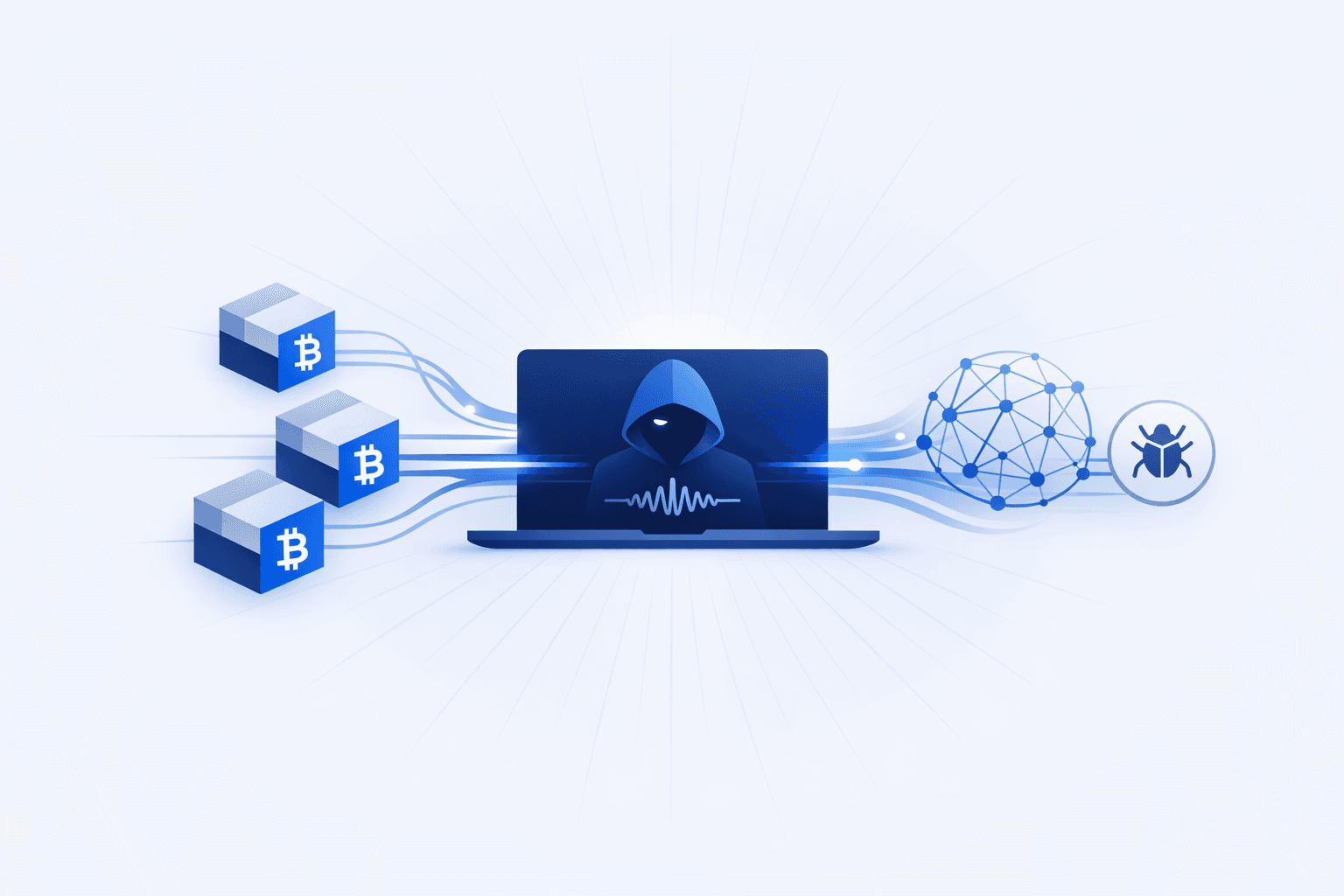
Three malicious npm packages—bitcoin-main-lib, bitcoin-lib-js, and bip40—were discovered on the public npm registry, targeting JavaScript developers by masquerading as legitimate bitcoinjs project components. These packages, uploaded by a user named "wenmoonx," delivered a previously undocumented remote access trojan (RAT) dubbed NodeCordRAT. The infection chain began when developers installed either bitcoin-main-lib or bitcoin-lib-js, which executed a post-install script to fetch and install bip40, the package containing the actual malware payload. Once active, NodeCordRAT enabled attackers to steal browser credentials, API keys, and cryptocurrency wallet data, particularly targeting Chrome login databases, .env files, and MetaMask wallet information.
NodeCordRAT is written in Node.js and uses Discord as its command-and-control (C2) channel, allowing attackers to remotely execute shell commands, take screenshots, and exfiltrate files from compromised developer systems. The malware is cross-platform, capable of fingerprinting infected hosts on Windows, Linux, and macOS, and uses Discord's API for covert data exfiltration. The campaign was identified by Zscaler ThreatLabz in November 2025, and all three malicious packages have since been removed from the npm registry. The attack highlights the ongoing risk of supply chain threats in open-source ecosystems, especially for developers handling sensitive credentials and production access.
Why it matters
Impact assessment
NodeCordRAT is a software supply chain compromise targeting JavaScript developers, especially teams working with cryptocurrency tooling, browser-stored credentials, API secrets, and production environment variables. The immediate impact is credential theft and remote backdoor access on developer workstations across Windows, Linux, and macOS, creating risk of source code compromise, cloud account takeover, wallet theft, and downstream production intrusion.
Exposure appears broad rather than tightly targeted because the malware was distributed through the public npm registry under convincing package names that mimicked bitcoinjs-related libraries. There is no confirmed public reporting of follow-on intrusions from this campaign in the provided sources, but the packages accumulated thousands of downloads before removal, indicating likely real-world compromise.
Affected populations
- JavaScript and Node.js developers using npm
- Cryptocurrency and blockchain development teams
- Organizations with developers storing secrets in
.envfiles or browsers - Users with MetaMask or other browser-based wallet material on developer endpoints
Severity and business risk
- Theft of Chrome credentials and login databases can enable account takeover
- Theft of API tokens and
.envsecrets can expose cloud, CI/CD, and production systems - Theft of wallet seed phrases and keys can lead to direct financial loss
- RAT capability enables arbitrary command execution, screenshot capture, and file theft from infected hosts
- Compromised developer endpoints can become pivot points into source repositories and internal infrastructure
Scope and known exposure facts
- Malicious packages:
bitcoin-main-lib,bitcoin-lib-js,bip40 - Reported download counts before removal:
bitcoin-main-lib: about 2,286 to 2,300bitcoin-lib-js: about 183 to 193bip40: about 958 to 970
- Packages were removed from npm as of November 2025
- Campaign discovered by Zscaler ThreatLabz
Entities
- Malware family: NodeCordRAT
- Registry: npm
- Threat research organization: Zscaler ThreatLabz
- Package uploader:
wenmoonx - Associated email:
supertalented730@gmail.com