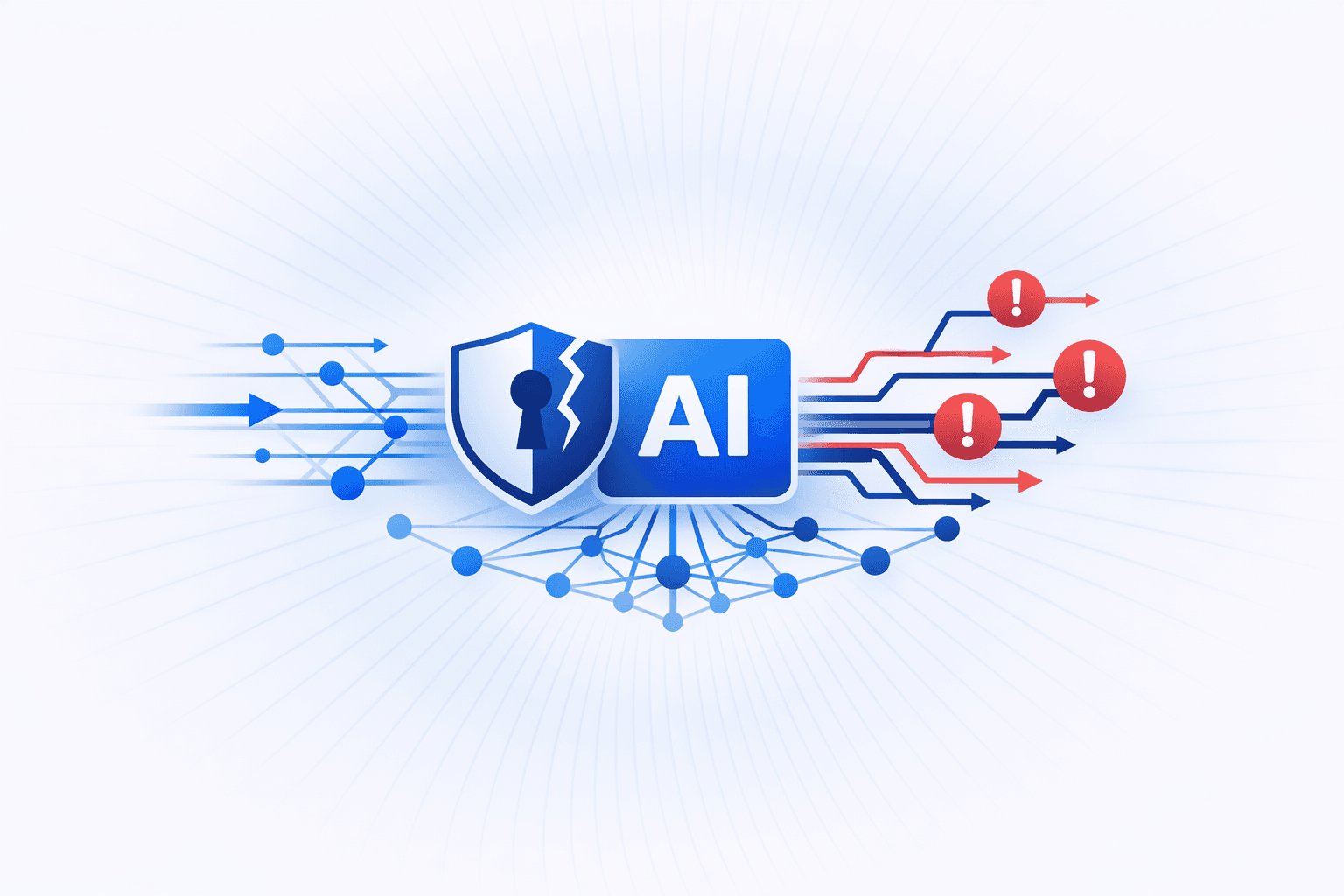
Security Risks in AI Coding Assistants: Prompt Injection and Dependency Hijacking
Emerging Technology Risk · 2 sources · Updated 5mo ago · First seen Jan 6, 2026

Security researchers have identified significant risks in AI-powered coding assistants, including Microsoft's Copilot and Claude Code, stemming from both prompt injection vulnerabilities and the potential for dependency hijacking via third-party plugins. In the case of Copilot, a security engineer disclosed several issues such as prompt injection leading to system prompt leaks, file upload policy bypasses using base64 encoding, and command execution within Copilot's isolated environment. Microsoft, however, has dismissed these findings as limitations of AI rather than true security vulnerabilities, sparking debate within the security community about the definition and handling of such risks.
Separately, analysis of Claude Code highlights the dangers of plugin marketplaces, where third-party 'skills' can be enabled to automate tasks like dependency management. A technical review demonstrated how a seemingly benign plugin could redirect dependency installations to attacker-controlled sources, resulting in the silent introduction of trojanized libraries into development environments. These risks are compounded by the persistent nature of enabled plugins, which can continue to influence agent behavior and potentially compromise projects over time, underscoring the need for greater scrutiny and security controls in AI development tools.
Why it matters
Impact assessment
AI coding assistants used in software engineering workflows are affected, particularly Microsoft Copilot and Claude Code deployments that can access files, execute development tasks, or use third-party plugins. The primary impact is software supply chain compromise, policy bypass, and potential secret exposure or malicious code introduction into developer environments, with downstream operational, financial, and reputational risk for organizations relying on AI-assisted development.
This exposure is broad for enterprises adopting AI development tooling, but the Claude Code plugin abuse scenario is especially relevant to targeted compromise of development teams and CI/CD-adjacent workflows. The story does not cite confirmed in-the-wild exploitation campaigns, but it describes realistic attack paths with sufficient detail to warrant immediate exposure review.
Supporting facts
- Affected products/entities:
- Microsoft Copilot
- Anthropic Claude Code
- Third-party plugin or skill marketplaces for AI coding assistants
- Affected populations:
- Software developers
- DevOps and platform engineering teams
- Enterprises integrating AI assistants into coding and dependency management workflows
- Business impact:
- Silent installation of trojanized dependencies into development environments
- Potential exfiltration of secrets from developer systems or projects
- Persistent manipulation of assistant behavior across sessions via enabled plugins
- Bypass of file upload policy controls in Copilot through base64-encoded content
- Scope:
- Broad exposure across organizations using AI coding assistants
- Higher risk where assistants have autonomy over dependency installation, infrastructure tasks, or plugin execution
- Exploitation status:
- No confirmed active exploitation reported in the references
- Researchers demonstrated feasible abuse paths and persistent compromise potential