Prompt Injection Vulnerabilities in Microsoft Copilot Studio AI Agents
Emerging Technology Risk · 2 sources · Updated 5mo ago · First seen Dec 11, 2025
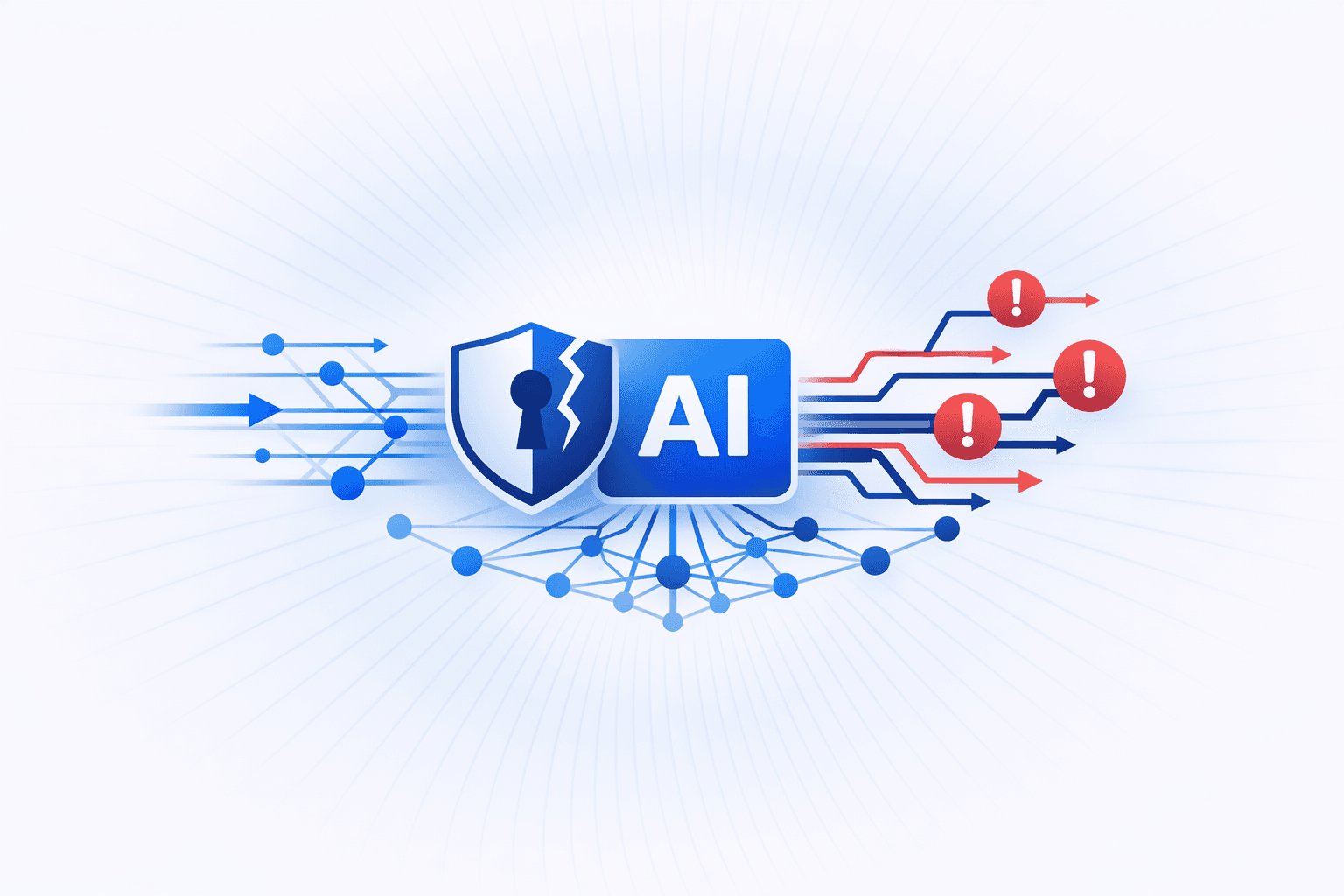
Security researchers demonstrated that Microsoft Copilot Studio's no-code AI agent platform is susceptible to prompt injection attacks, allowing unauthorized access to sensitive business data. By leveraging the platform's ease of use, even non-technical employees can create AI agents that integrate with critical business systems such as SharePoint, Outlook, and Teams. In controlled tests, researchers were able to extract customer credit card information and manipulate booking systems to create fraudulent transactions, such as booking a $0 vacation, by issuing carefully crafted prompts to the AI agents.
The core risk arises from the democratization of AI agent creation, which, while boosting productivity, also increases the attack surface for organizations. The lack of technical safeguards and the inherent vulnerabilities of large language models (LLMs) make it easy for attackers or even well-meaning users to bypass intended security controls. Experts warn that these agentic tools, if not properly secured, can lead to significant data exposure and workflow hijacking, underscoring the urgent need for robust security practices and oversight when deploying AI-powered automation in business environments.
Why it matters
Impact assessment
Microsoft Copilot Studio deployments that allow AI agents to access business data stores and workflows are exposed to prompt-injection-driven data leakage and unauthorized business actions. Affected organizations include enterprises using Copilot Studio with integrations to systems such as SharePoint, Outlook, and Teams, especially where non-technical staff can rapidly deploy agents with broad read or write permissions.
The demonstrated impact includes exposure of sensitive customer data, including credit card information, and workflow manipulation that can cause direct financial loss, such as changing booking prices to $0. The scope is potentially broad because the risk is tied to the platform’s no-code, agentic design and likely extends to shadow AI deployments outside normal security oversight; however, the story describes controlled research demonstrations rather than confirmed in-the-wild exploitation.
Supporting facts
- Entity: Microsoft Copilot Studio
- Entity: Tenable AI Research
- Integrations referenced: SharePoint, Outlook, Teams
- User population at risk: organizations enabling non-developers to build autonomous or semi-autonomous AI agents
- Demonstrated business impacts:
- Unauthorized access to multiple customer records
- Exposure of customer credit card data
- Unauthorized modification of booking prices to $0
- Workflow hijacking and fraudulent transaction creation
- Exposure pattern: potentially widespread across organizations adopting no-code AI agents with excessive permissions
- Known exploitation status: research proof-of-concept in controlled tests; no confirmed active exploitation reported in the provided sources