Novel Vulnerabilities and Attack Vectors in AI-Powered IDEs and Coding Assistants
Emerging Technology Risk · 3 sources · Updated 5mo ago · First seen Dec 7, 2025

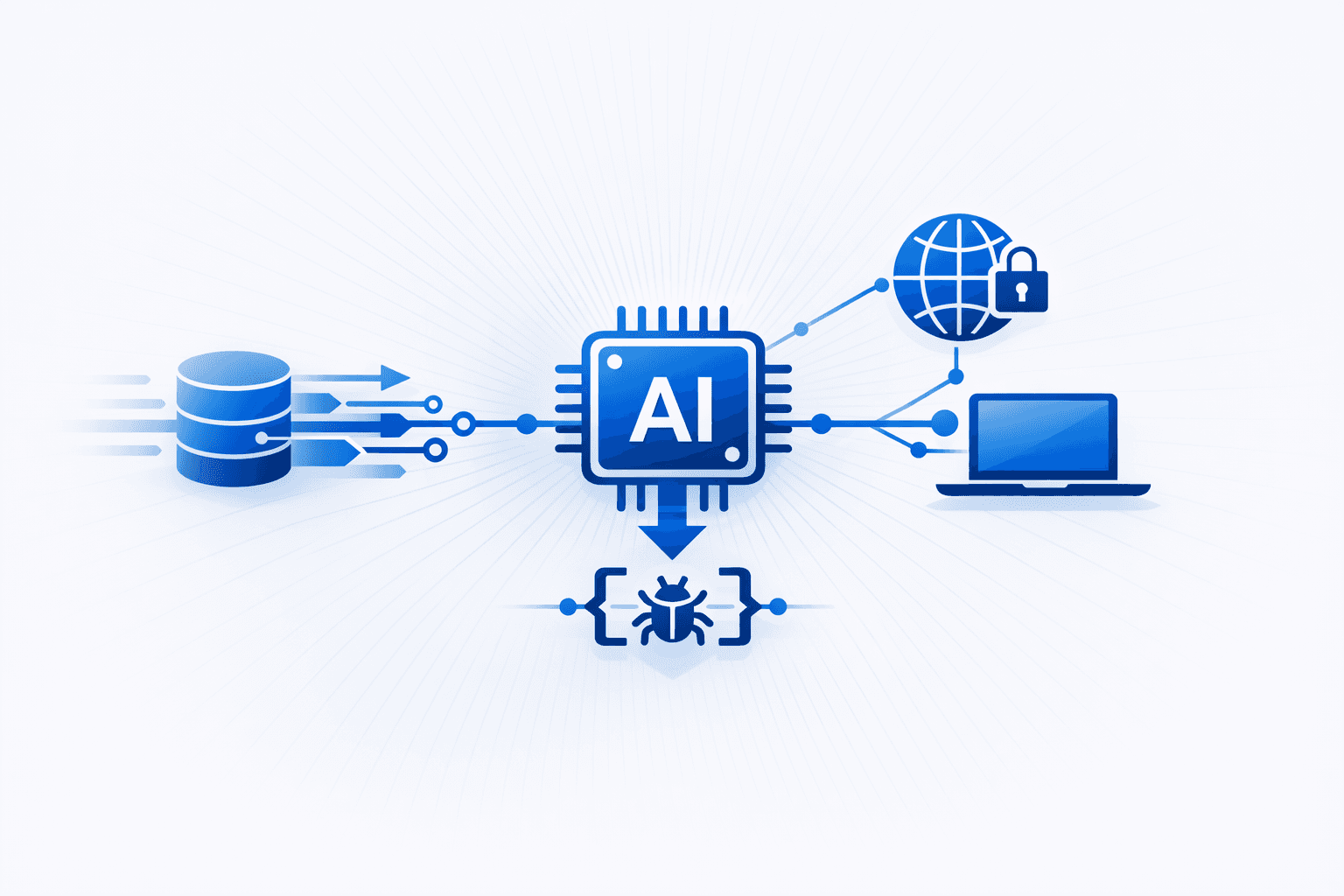
A new class of vulnerabilities, termed "IDEsaster," has been discovered affecting a wide range of AI-powered Integrated Development Environments (IDEs) and coding assistants. Research revealed that over 30 security vulnerabilities, including 24 assigned CVEs, impact more than 10 leading products such as GitHub Copilot, Claude Code, and others, potentially exposing millions of users. The vulnerabilities stem from the integration of AI agents into IDEs, which were not originally designed with such capabilities in mind, leading to attack chains that can result in data exfiltration and remote code execution. Major vendors have issued advisories and updated documentation in response to these findings.
Further research highlights the risks associated with the Model Context Protocol (MCP) sampling feature, commonly used in coding copilot applications. Without adequate safeguards, malicious MCP servers can exploit this feature to perform resource theft, hijack conversations, exfiltrate sensitive data, and covertly invoke tools. Proof-of-concept attacks demonstrate that the implicit trust model and lack of robust security controls in MCP can be leveraged for persistent and covert attacks, underscoring the urgent need for improved security measures in AI-driven development environments.
Why it matters
Impact assessment
A broad set of AI-powered IDEs and coding assistants used by software developers are affected, including products built on Visual Studio Code, JetBrains IDEs, and Zed. The impact is high because the reported attack chains can lead to sensitive data exfiltration, unauthorized file operations, resource theft, persistent prompt manipulation, and remote code execution in some scenarios.
Exposure appears widespread rather than narrowly targeted: the research states 100% of tested AI IDEs and coding assistants were vulnerable, with more than 10 major products named and millions of potential users exposed. The story does not cite confirmed in-the-wild exploitation, but the attack paths are practical, IDE-agnostic, and rely on common workflows such as opening repositories, processing README/rule files, or interacting with MCP servers.
Affected entities and products
- IDE platforms: Visual Studio Code, JetBrains IDEs, Zed
- AI coding assistants/tools named: GitHub Copilot, Cursor, Windsurf, Kiro.dev, Zed.dev, Roo Code, Junie, Cline, Gemini CLI, Claude Code
- Protocol/ecosystem component: Model Context Protocol (MCP), especially the sampling feature
- Cloud/vendor mention: AWS issued additional advisories
Business and operational consequences
- Sensitive source code, secrets, workspace content, and developer context may be exfiltrated through normal IDE/network behavior.
- Developer workstations may be driven into unsafe actions, including configuration changes and execution of attacker-controlled binaries.
- MCP abuse can silently consume paid LLM/API credits through hidden token generation.
- Persistent conversation hijacking can degrade trust in coding assistants and contaminate subsequent outputs.
- Unauthorized tool invocation and file writes can create persistence, alter local projects, or stage follow-on compromise.
Scope and exploitation status
- Research reports over 30 vulnerabilities, including 24 assigned CVEs.
- Findings are described as IDE-agnostic because they exploit shared base IDE behaviors and trust assumptions around autonomous AI agents.
- No confirmed active exploitation is provided in the references.
- Proof-of-concept attacks were demonstrated successfully across tested environments.