Global State-Sponsored Cyber Operations and Policy Responses
Threat Actor Intelligence · 2 sources · Updated 5mo ago · First seen Jan 5, 2026
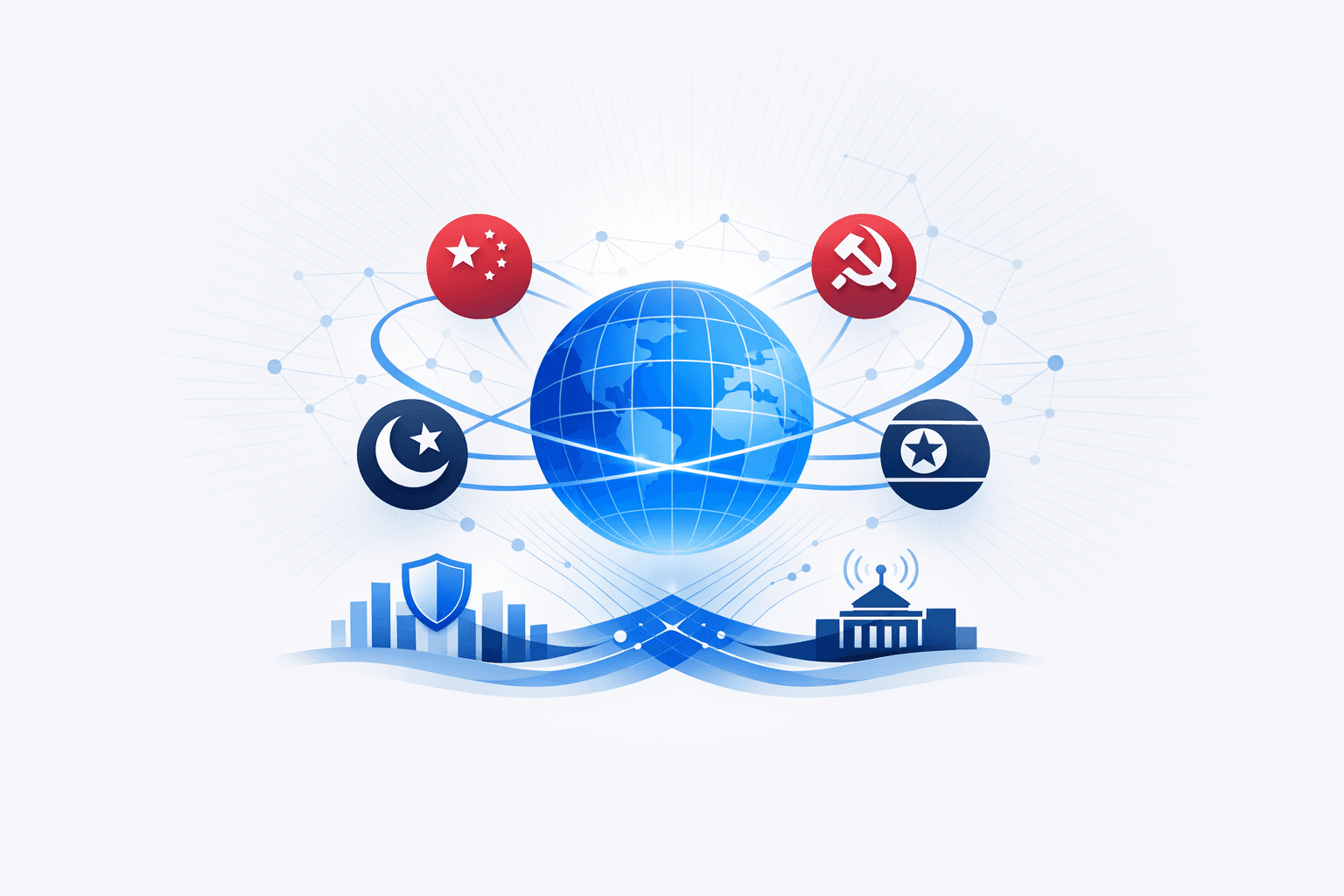
Multiple nation-state actors, including China, Russia, Iran, and North Korea, are intensifying cyber operations targeting critical infrastructure, government entities, and private sector organizations worldwide. China-linked groups such as Ink Dragon have expanded espionage campaigns against European governments, while Russia-linked actors like Callisto have targeted NGOs and are implicated in disruptive attacks in Europe. Iran's MuddyWater has focused on critical infrastructure in Israel and Egypt, and North Korea is increasing disruptive attacks on various sectors. These activities are accompanied by sophisticated cybercrime campaigns, exploitation of zero-day vulnerabilities, and significant data breaches affecting sectors such as health, telecommunications, and justice.
In response, Western governments and institutions are taking legal and policy actions, including EU sanctions and fines, UK and Polish legal proceedings against Russian actors, and increased attribution of attacks to state-sponsored groups. However, there is growing concern that U.S. cyber defenses are lagging behind adversaries, with strained mission capacity, weakened public-private collaboration, and unstable federal leadership. Experts call for renewed strategic focus, improved coordination with allies, and robust policy reforms to counter the persistent and evolving threat landscape posed by hostile nation-states.
Why it matters
Summary
State-sponsored cyber activity is intensifying across Europe, the Middle East, and the United States, affecting government, critical infrastructure, healthcare, telecommunications, financial services, NGOs, and technology platforms. Impact ranges from espionage and persistent access to disruptive attacks, ransomware, DDoS, and large-scale data exposure, with both targeted and opportunistic exploitation already observed in the wild.
Affected organizations and sectors
- Government entities in Europe and the U.S.
- Critical infrastructure operators, including water, oil, air traffic-related systems, and telecoms
- Healthcare providers, including Barts Health NHS
- Financial institutions in Europe targeted by phishing infrastructure
- NGOs, including Reporters Without Borders
- Technology and software ecosystems, including VMware vSphere, Docker Hub, VS Code extension users, Cisco Secure Email Gateway, SonicWall SMA1000, and FortiGate deployments
- Private-sector organizations relying on X, SFR, Oracle-linked services, and browser extensions
Severity and business impact
- High operational risk from disruptive attacks against public services and infrastructure, including DDoS, ransomware, and destructive or stealthy access operations.
- High confidentiality risk from espionage, police-record compromise, customer-data breaches, and exposed credentials in over 10,000 Docker Hub images.
- Financial and reputational impact is significant, demonstrated by regulatory penalties, breach disclosures, service outages, and likely incident response and recovery costs.
Scope and exploitation status
- Scope is both widespread and targeted: broad opportunistic exploitation of internet-facing appliances and software coexists with focused espionage against governments, NGOs, and critical infrastructure.
- Known exploitation in the wild is explicitly reported for Apple WebKit zero-days, SonicWall SMA1000 chained zero-days, FortiGate vulnerabilities, React2Shell, Oracle zero-day abuse by Clop, and China-linked campaigns against VMware vSphere and Cisco Secure Email Gateway.
- The story is partly a strategic rollup, but it contains concrete exposure and adversary activity that warrants action.