Nation-State and Hacktivist Cyber Threats Targeting Europe
Threat Actor Intelligence · 2 sources · Updated 5mo ago · First seen Nov 4, 2025
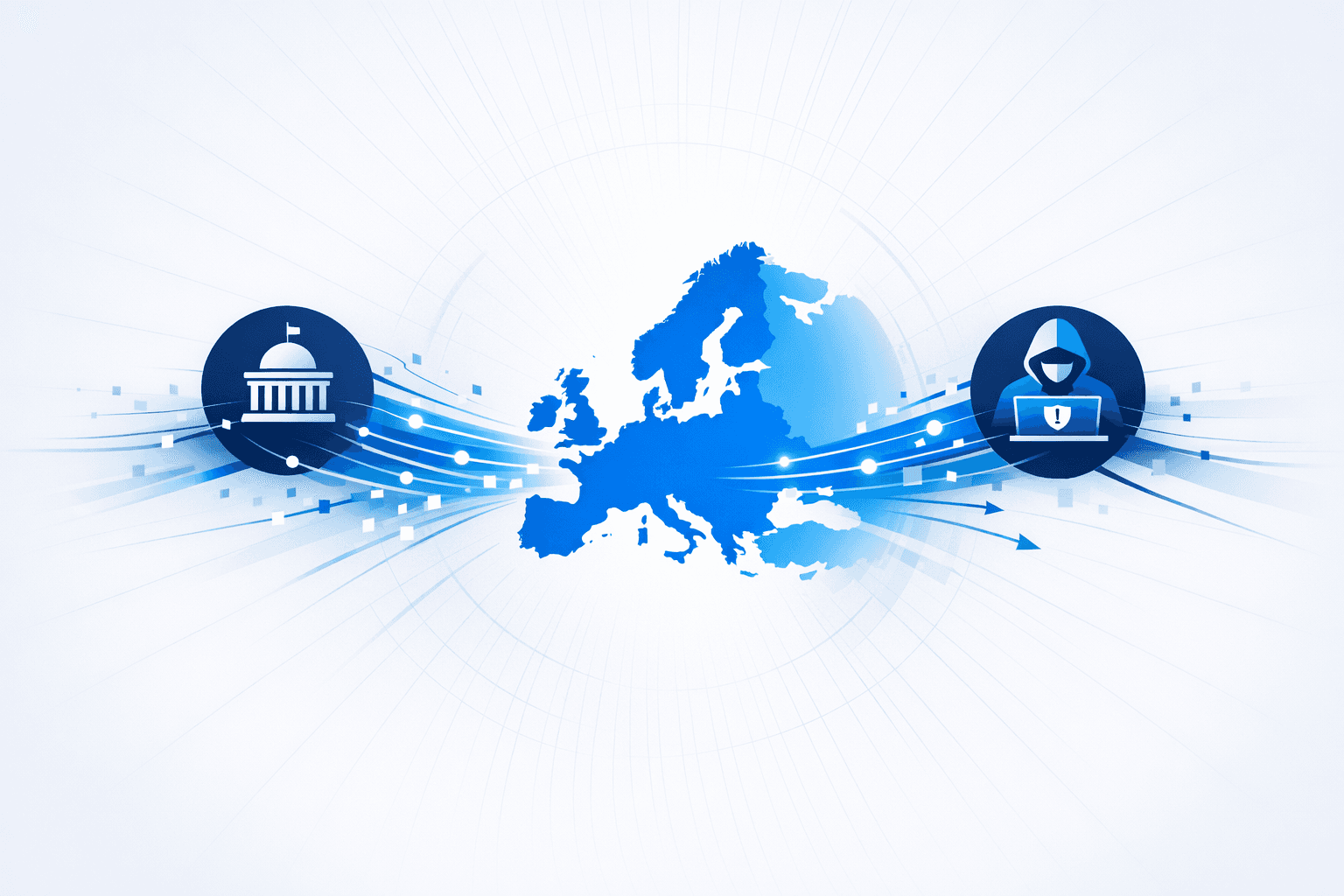
European organizations are facing a surge in cyberattacks driven by nation-state actors, financially motivated cybercriminals, and hacktivist groups. According to assessments from cybersecurity experts, many of these attacks are linked to ongoing geopolitical tensions, particularly Russia's invasion of Ukraine, and increasingly involve coordinated operations with North Korea. The tactics used include distributed denial-of-service (DDoS) disruptions, website defacements, and data leak campaigns, often with the primary goal of propaganda or strategic intelligence collection. Other persistent threat actors include groups from Iran, China, Turkey, Kazakhstan, and India, who target European entities for motives ranging from intellectual property theft to financial gain.
The spillover from conflicts in the Middle East has also led to increased cyber activity against European organizations, especially those tied to Israel or Western military operations. Key sectors under threat include financial services, transportation, and non-governmental organizations. Experts warn that adversaries are seeking new ways to compromise identity and cloud infrastructure, reflecting a broader trend of evolving cyber operations shaped by global political developments.
Why it matters
Impact assessment
European organizations face sustained pressure from nation-state actors, cybercriminals, and hacktivists, with the highest exposure in financial services, transportation, NGOs, and also aerospace, aviation, energy, government, healthcare, military, and utilities. Impact ranges from espionage and intellectual property theft to operational disruption, propaganda-driven defacements and leaks, ransomware extortion, and major financial losses, including reported assembly-line shutdowns at Jaguar Land Rover.
Key impact facts
- Affected geography: Europe broadly, with notable targeting of France, Germany, and the United Kingdom.
- Threat actors/entities named: Russia, Iran, North Korea, China, Turkey, Kazakhstan, India; cybercriminal ecosystem tied to Russian-language forums; Scattered Spider.
- Primary victim sectors:
- Financial services
- Transportation
- Non-governmental organizations
- Aerospace
- Aviation
- Energy
- Government
- Healthcare
- Military
- Utilities
- Motivations observed:
- Strategic intelligence collection
- Information operations
- Intellectual property theft
- Propaganda
- Opportunistic financial gain
- Attack outcomes described:
- Distributed denial-of-service disruptions
- Website defacements
- Data leak campaigns
- Ransomware and data extortion
- Disruptive intrusions affecting operations
- Known incident cited: Scattered Spider activity reportedly disrupted major retailers and Jaguar Land Rover, temporarily shutting down assembly lines.
- Economic impact cited: the Jaguar Land Rover incident is forecast in the article to cost the British economy $2.5 billion.
- Scope: widespread and persistent across Europe rather than narrowly targeted to one product or campaign, though some activity is concentrated on organizations tied to Israel or Western military operations.
- Exploitation in the wild: yes, the story describes active attacks and ongoing intrusions across Europe during January 2024 through September 2025.