Critical Vulnerabilities in Cline Bot AI Coding Assistant Enable Data Theft and Code Execution
Emerging Technology Risk · 2 sources · Updated 5mo ago · First seen Nov 19, 2025

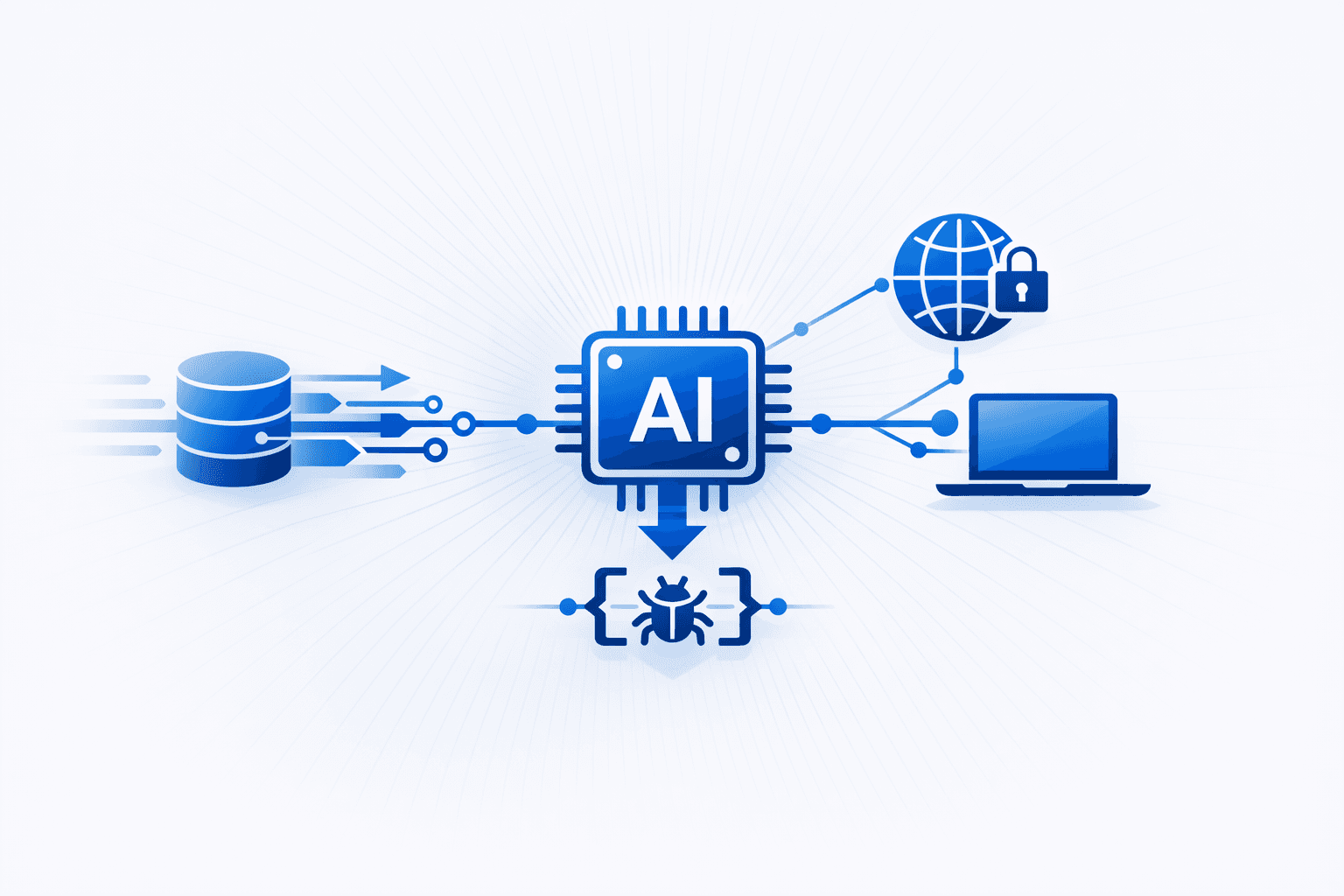
A security audit conducted by Mindgard uncovered four major vulnerabilities in the popular Cline Bot AI coding assistant, which has over 3.8 million installs and more than 1.1 million daily active users. The flaws include the potential for attackers to steal sensitive information such as API keys, execute unauthorized code on a developer's machine, bypass internal safety checks, and leak confidential details about the AI model itself. The attack vector involves prompt injection, where malicious instructions are hidden in source code files; when Cline Bot analyzes such files, it can be manipulated into performing dangerous actions without the user's knowledge or consent.
These findings highlight significant risks associated with the widespread adoption of AI coding assistants, as even trusted tools can be exploited to compromise developer environments. The vulnerabilities were identified rapidly—within two days of the audit's start—demonstrating both the urgency and the ease with which such flaws can be discovered and potentially abused. The research underscores the need for rigorous security assessments of AI-powered development tools and increased awareness of the risks posed by prompt injection and insufficient safety controls in these systems.
Why it matters
Impact assessment
Cline Bot users are exposed to high-impact compromise of developer workstations and secrets, especially organizations that allow AI coding assistants to inspect untrusted repositories or source files. The reported impact includes theft of API keys and private data, unauthorized code execution on developer machines, and leakage of internal model details that can improve follow-on attacks.
The exposure is potentially widespread because Cline Bot reportedly has more than 3.8 million installs and over 1.1 million daily active users, but exploitation appears opportunistic and content-driven rather than tied to a named threat actor or sector. The story does not cite confirmed in-the-wild exploitation, but the vulnerabilities were found within two days of testing, indicating low discovery effort and practical abuse potential.
Supporting facts
- Product affected: Cline Bot AI coding assistant
- User population: developers and organizations using AI-assisted coding workflows
- Reported scale: more than 3.8 million installs and 1.1 million daily active users
- Research entity: Mindgard
- Reported issues: four serious vulnerabilities, including three described as critical
- Business impact:
- Secret/API key theft
- Exposure of private data
- Unauthorized software download and execution on developer endpoints
- Safety control bypass in an AI-assisted development tool
- Leakage of underlying model details that may aid future exploitation
- Known exploitation status: no confirmed exploitation in the wild stated in the source