Malicious and Credential-Stealing npm Packages Target Developers via Obfuscation and Typosquatting
Supply Chain Risk · 3 sources · Updated 5mo ago · First seen Oct 29, 2025
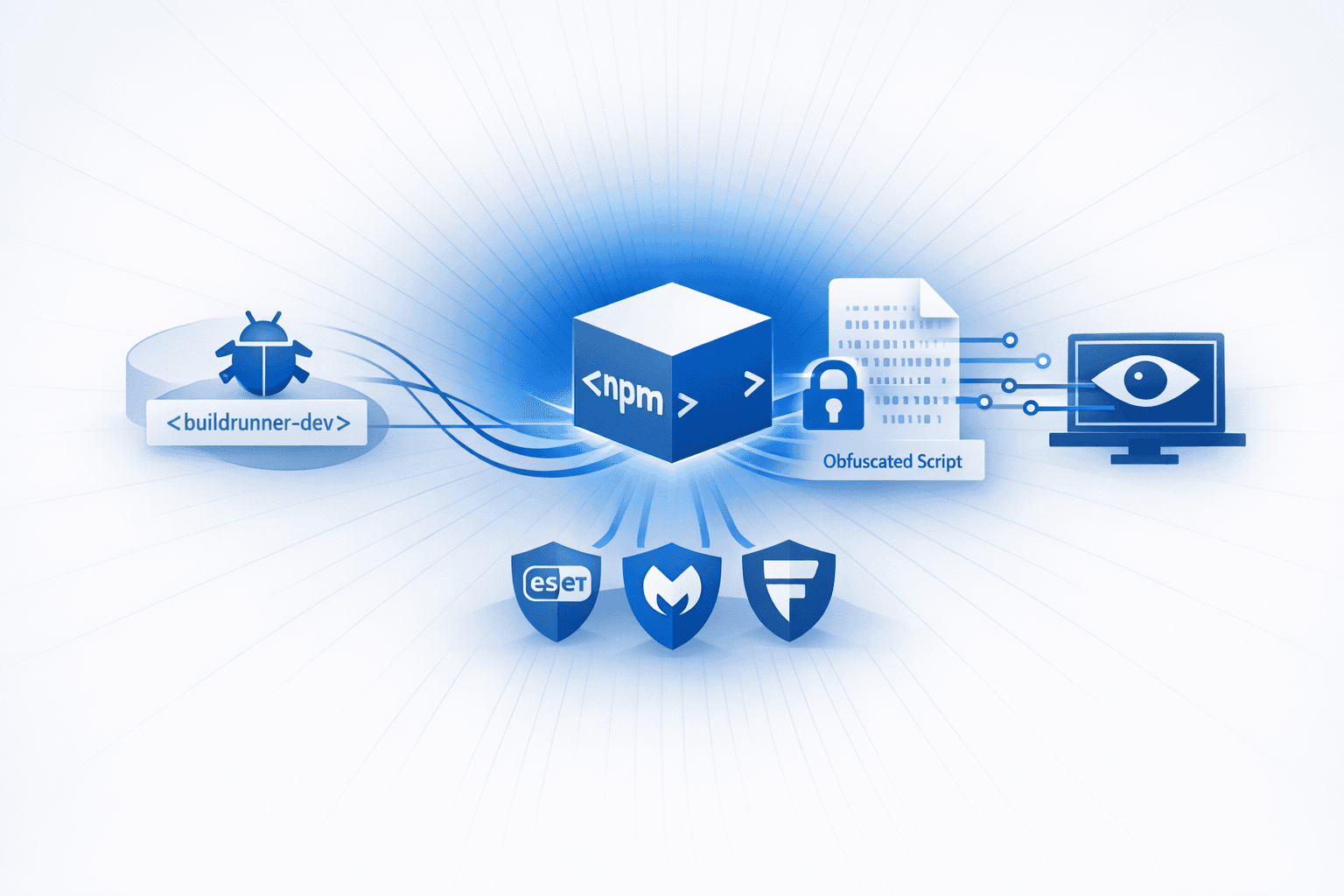
Multiple malicious npm packages have been discovered targeting developers by employing advanced obfuscation techniques and typosquatting to mimic popular legitimate packages such as TypeScript, discord.js, ethers.js, nodemon, and Claude Code. Security researchers revealed that these packages use up to four layers of obfuscation—including eval wrapping, XOR encryption, URL encoding, and control flow manipulation—to evade static analysis and conceal credential-stealing malware. The attack chain often begins with deceptive tactics, such as displaying fake CAPTCHAs, and proceeds to exfiltrate sensitive information like IP addresses and credentials to attacker-controlled servers. In one notable case, a package impersonating the official Anthropic CLI was found to proxy commands and data back to the threat actor, enabling both credential theft and remote command execution.
These incidents highlight the persistent risks posed by weak validation and oversight in the npm ecosystem, allowing threat actors to publish lookalike packages that are difficult to distinguish from legitimate ones. The sophisticated payloads not only target local developer environments but can also compromise CI/CD pipelines, amplifying the potential impact. Security experts emphasize the need for improved package metadata validation and greater vigilance among developers to mitigate the risk of supply chain attacks through open-source dependencies.
Why it matters
Impact assessment
Multiple malicious npm packages targeted developers and build environments by impersonating widely used packages, creating direct risk for software engineering teams, CI/CD infrastructure, and organizations that consume JavaScript dependencies. Impact is high because the malware steals credentials, browser data, API keys, OAuth tokens, JWTs, and platform keychain contents, and at least one package also enabled remote command execution by proxying Anthropic CLI activity to an attacker.
Affected populations and scope
- Primary targets: developers, DevOps teams, CI/CD runners, and organizations using npm-based software supply chains.
- Impersonated ecosystems and brands included TypeScript, discord.js, ethers.js, nodemon, and Claude Code.
- The campaign involved 10 malicious npm packages.
- The packages were first published on 2025-07-04.
- Reported download volume was nearly 10,000, indicating meaningful exposure rather than isolated testing.
- The activity reflects broad opportunistic targeting through typosquatting, not a narrowly targeted intrusion set.
Severity and business impact
- Credential theft can lead to source code theft, cloud account compromise, package publishing abuse, CI/CD takeover, and downstream supply-chain compromise.
- Theft of browser cookies, passwords, API keys, OAuth tokens, JWTs, and LaunchPad credentials creates both immediate account takeover risk and persistent access opportunities.
- Compromise of developer workstations can cascade into production environments if stolen secrets grant access to repositories, artifact registries, deployment systems, or cloud consoles.
- The story states affected systems should be treated as fully compromised.
Known exploitation status
- There is evidence of active malicious distribution in the wild through npm.
- As of the reporting date, all 10 malicious packages reportedly remained active on npm despite disclosure.
- No CVE is associated with this activity; this is a software supply-chain abuse case rather than a disclosed product vulnerability.