Stealit Malware Campaign Leveraging Node.js Single Executable Application for Distribution
Malware Intelligence · 5 sources · Updated 5mo ago · First seen Oct 10, 2025
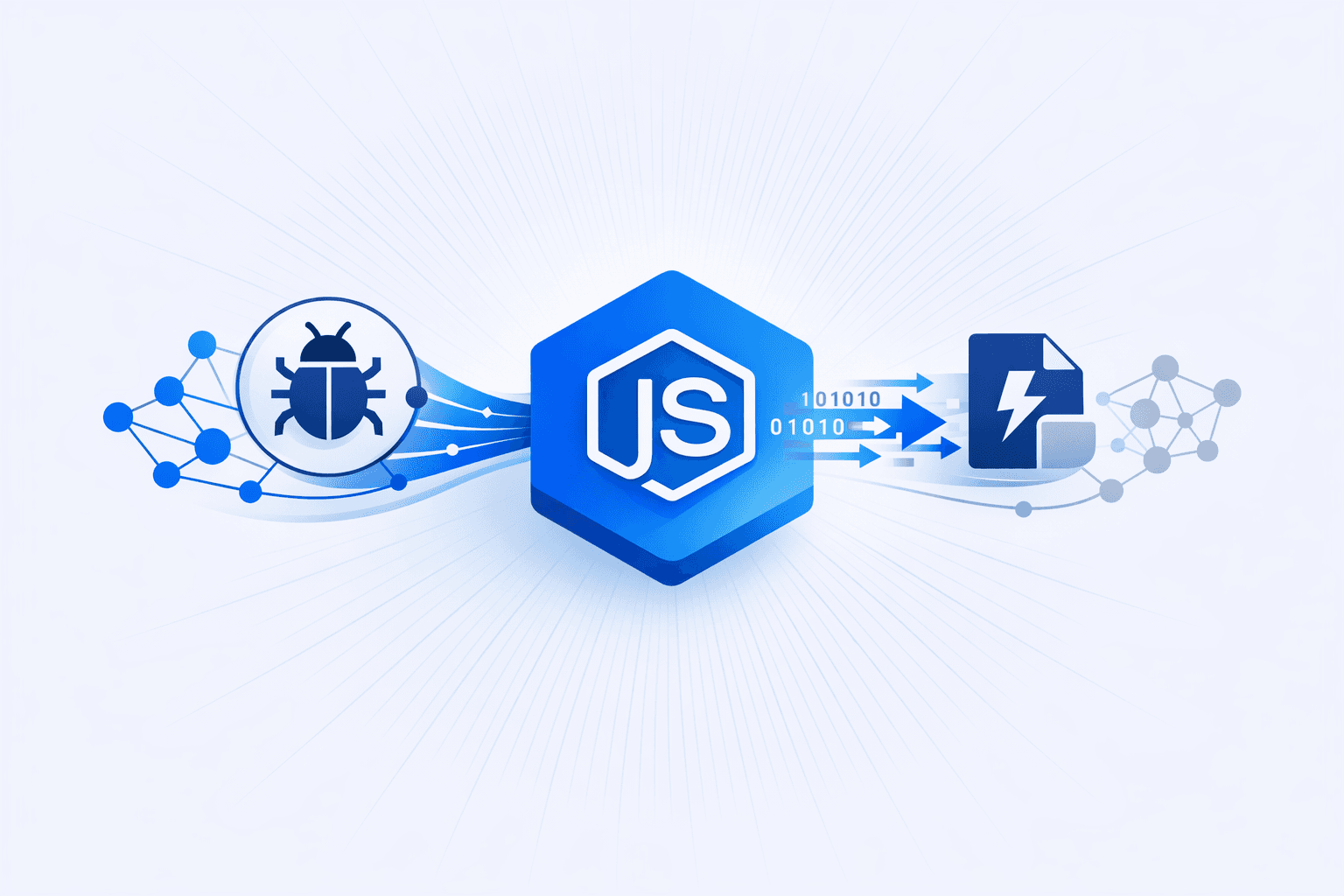
A new Stealit malware campaign has been identified by Fortinet’s FortiGuard Labs, targeting Microsoft Windows users through the abuse of Node.js’ Single Executable Application (SEA) feature. The campaign marks a shift from previous Stealit operations, which relied on the Electron framework to package and distribute malicious payloads. By utilizing the SEA feature, attackers can bundle all necessary scripts and assets into a single executable, allowing the malware to run on systems without a pre-installed Node.js runtime or additional dependencies. This approach increases the likelihood of successful infections, as it reduces the technical barriers for execution on victim machines. The malware is primarily distributed via fake installers for popular games and VPN applications, which are uploaded to widely used file-sharing platforms such as Mediafire and Discord. These installers are often disguised using PyInstaller and compressed archives to further evade detection. Once executed, the malware performs several anti-analysis checks, including detecting debuggers, virtual environments, and suspicious processes, terminating itself if such conditions are found. A notable technical detail is the writing of a Base64-encoded, 12-character authentication key to the %temp%\cache.json file, which is used for communication with the command-and-control (C2) server. The Stealit operation is run as a malware-as-a-service (MaaS), offering various subscription plans for its data extraction tools, including a remote access trojan (RAT) with capabilities such as file extraction, webcam control, live screen monitoring, and ransomware deployment. The service targets both Windows and Android platforms, with pricing tiers ranging from weekly to lifetime licenses. The operators have demonstrated operational security by frequently relocating their C2 infrastructure, moving from domains like stealituptaded.lol to iloveanimals.shop. The campaign’s impact is significant, as compromised machines fall under the control of the threat actors, who can exfiltrate sensitive information for use in further attacks. The campaign’s use of advanced obfuscation and anti-analysis techniques makes detection and mitigation more challenging for defenders. Organizations are advised to be vigilant against suspicious installers, especially those distributed via unofficial channels, and to monitor for indicators of compromise associated with Stealit. The campaign underscores the evolving tactics of cybercriminals in leveraging new software features and distribution methods to maximize reach and evade security controls. Security teams should update their detection mechanisms to account for Node.js SEA-based malware and educate users about the risks of downloading software from untrusted sources. The ongoing nature of the campaign and its professionalized service model highlight the persistent threat posed by MaaS operations in the current cyber threat landscape.
Why it matters
Impact assessment
Stealit is an active malware-as-a-service campaign targeting Windows users through fake game and VPN installers distributed on public file-sharing and chat platforms. The impact is high for enterprises and consumers because infected hosts can suffer credential theft, cryptocurrency wallet theft, remote takeover, surveillance via screen and webcam access, and potential ransomware deployment.
The exposure is broad rather than narrowly targeted because delivery relies on commodity lures hosted on Mediafire and Discord and does not require Node.js to be installed on the victim system. There are known in-the-wild infections and ongoing operator activity, including infrastructure rotation and active promotion through a Telegram channel.
Affected populations
- Microsoft Windows users downloading software from unofficial sources
- Organizations with users likely to install games, VPN tools, or cracked software
- Consumer endpoints and unmanaged BYOD systems
- Potential secondary exposure to Android through the broader Stealit MaaS offering
Severity and business risk
- Credential and browser data theft can lead to account compromise and follow-on intrusion
- Cryptocurrency wallet theft creates direct financial loss
- RAT capabilities enable operational disruption, espionage, and lateral movement opportunities
- Ransomware delivery raises the risk from data theft to full business interruption
- Use of anti-analysis and Defender exclusion attempts increases dwell time and reduces detection likelihood
Scope and observed activity
- Distribution observed via Mediafire and Discord
- Campaign documented by Fortinet FortiGuard Labs during investigation of a surge in detections
- Operators rotate infrastructure from stealituptaded[.]lol to iloveanimals[.]shop
- MaaS model and public Telegram promotion indicate scalable criminal distribution rather than a one-off campaign