AI-Driven Voice Cloning Enables Real-Time Vishing Attacks
2 sources · Updated 5mo ago · First seen Sep 30, 2025

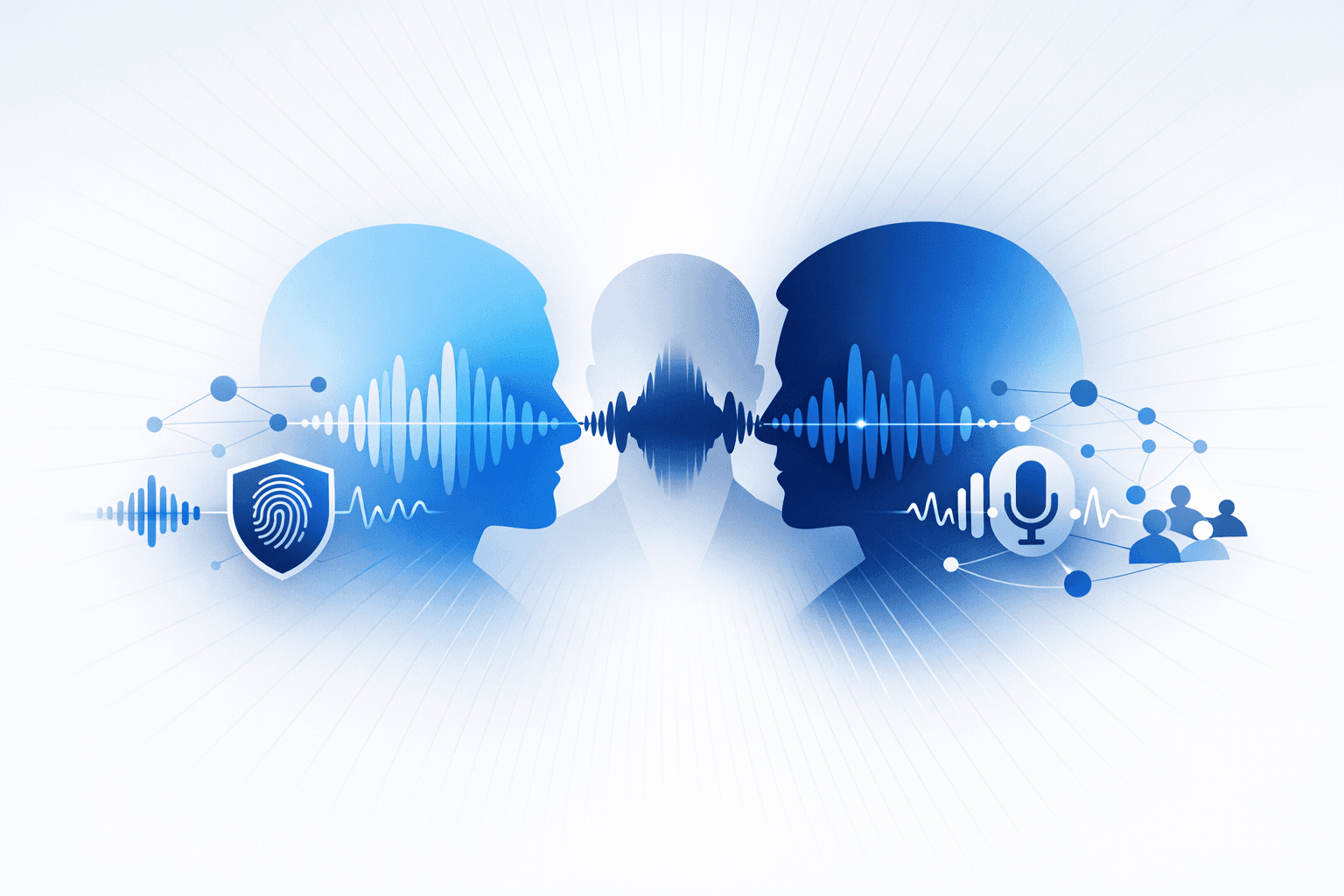
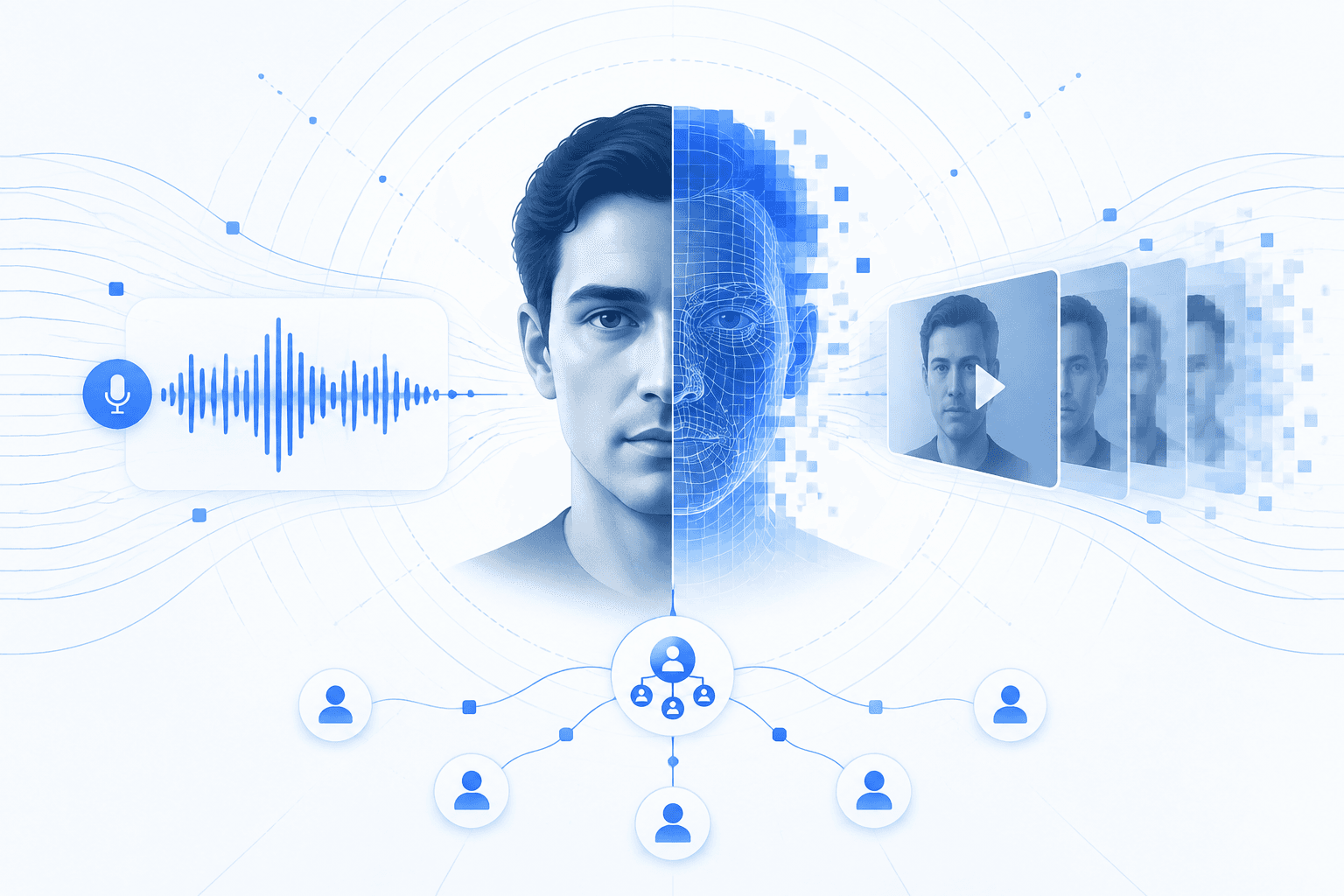
Researchers have demonstrated that advancements in artificial intelligence have significantly increased the risks associated with voice cloning, particularly in the context of vishing attacks. Using as little as five minutes of recorded audio, attackers can now generate highly realistic voice clones capable of engaging in real-time conversations. This technological leap allows threat actors to conduct sophisticated social engineering attacks, making it increasingly difficult for targets to distinguish between genuine and simulated voices. The NCC Group's research team has explored these capabilities, showing how AI-powered voice impersonation can be leveraged to compromise organizations and extract sensitive information. Their findings indicate that enterprises, employees, and individuals are all at heightened risk of falling victim to these attacks, which can be used to obtain personal information, financial data, or corporate credentials. The research included a demonstration of a real-time voice clone, underscoring the immediacy and realism of the threat. While the technical details of the exploit were withheld to prevent misuse, the researchers warned that some threat actors are likely already employing similar techniques. Vishing, or voice phishing, traditionally involves tricking targets over the phone, but the integration of AI voice cloning makes these attacks more convincing and harder to detect. Attackers may impersonate family members, IT staff, or other trusted individuals to manipulate victims into divulging sensitive information or granting remote access. The NCC Group's simulation services have highlighted the practical application of these techniques in real-world scenarios, emphasizing the need for organizations to update their social engineering prevention strategies. The research also points to the broader implications for security awareness training, as traditional cues for detecting fraud may no longer be reliable. The rise of deepfake vishing represents a significant evolution in the threat landscape, requiring both technical and procedural countermeasures. Organizations are advised to implement multi-factor authentication and robust verification processes to mitigate the risks posed by AI-driven voice impersonation. The findings stress the urgency for enterprises to reassess their security protocols in light of these emerging threats. As AI technology continues to advance, the potential for abuse in social engineering attacks is expected to grow, making proactive defense measures essential. The research serves as a warning that the line between authentic and artificial communication is becoming increasingly blurred, demanding heightened vigilance from both organizations and individuals.
Why it matters
Impact Assessment
- Affected populations: Enterprises, help desks, finance teams, executives, IT support staff, call centers, and individual users are all exposed to AI-enabled vishing. Any organization that relies on phone-based identity verification or verbal approval workflows is at elevated risk.
- Business impact: Successful attacks can lead to credential theft, MFA reset abuse, fraudulent payments, disclosure of sensitive business information, remote access enablement, and compromise of internal accounts. Secondary impacts include reputational damage, incident response costs, and erosion of trust in voice-based communications.
- Severity: High. The key risk is not a software flaw but a major increase in the effectiveness and scale of social engineering. Real-time voice cloning reduces traditional human detection cues and can bypass informal trust models built around recognizing a known person’s voice.
- Scope: Potentially widespread. The barrier to entry is falling because realistic voice clones can reportedly be created from as little as five minutes of recorded audio. This makes public-facing executives, employees with online media presence, and anyone with exposed voice samples especially vulnerable.
- Exploitation in the wild: The research warns that threat actors are likely already using similar techniques, but the story does not provide confirmed incident details, named threat actors, or victim organizations.
- Operational concern: Organizations with phone-based password resets, wire transfer approvals, vendor payment changes, or emergency access requests face the highest immediate exposure because these workflows are directly susceptible to impersonation.