Google Gemini AI Assistant Vulnerabilities Enabling Data Exfiltration and Prompt Injection
7 sources · Updated 5mo ago · First seen Sep 30, 2025
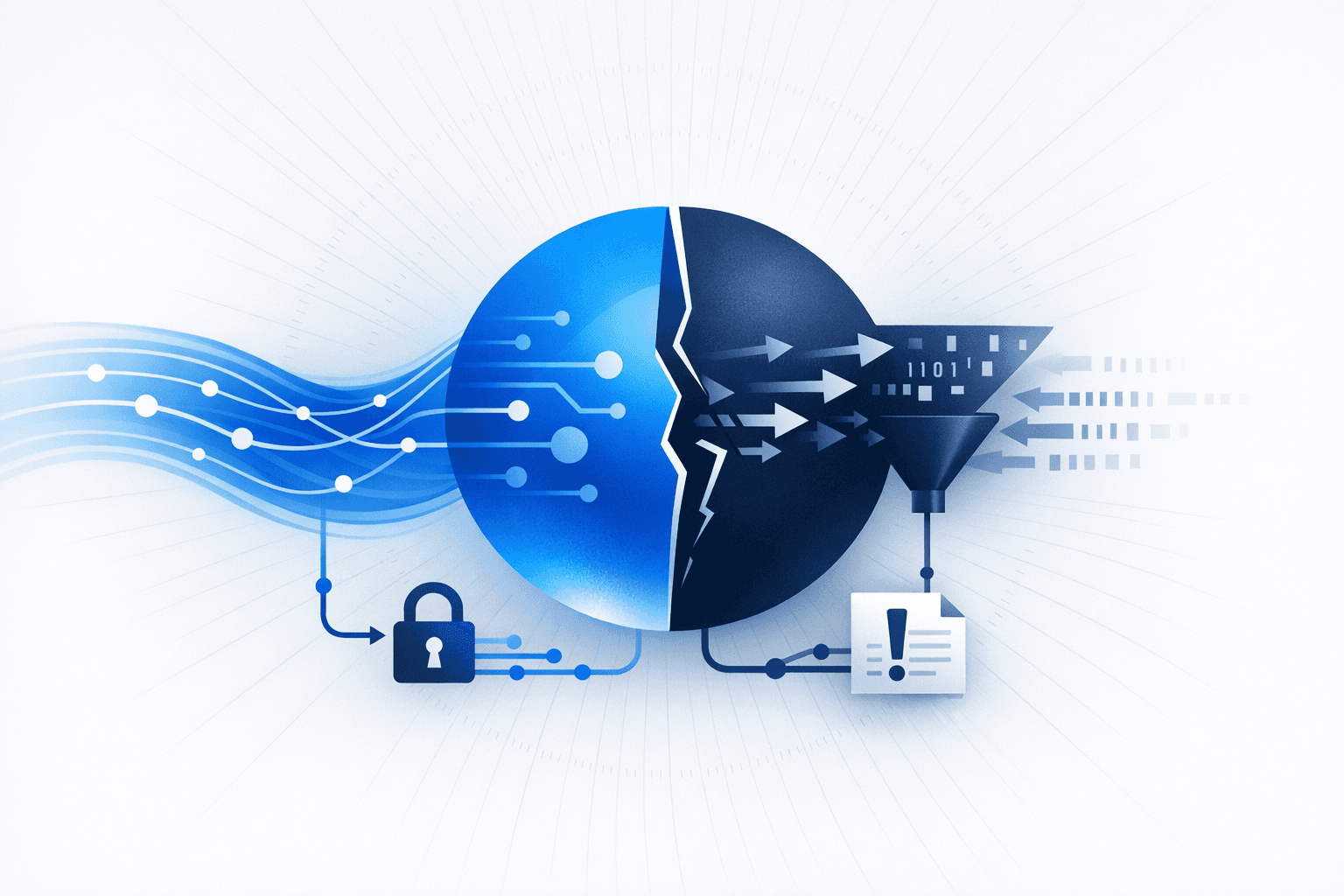
Tenable Research identified and disclosed three critical vulnerabilities in Google's Gemini AI assistant suite, collectively referred to as the "Gemini Trifecta." These flaws affected three distinct components: Gemini Cloud Assist, Gemini Search Personalization Model, and the Gemini Browsing Tool. The vulnerabilities exposed users to significant privacy and security risks, including the potential for data exfiltration and unauthorized access to sensitive information. In the case of Gemini Cloud Assist, attackers could exploit a prompt injection flaw by embedding malicious prompts within HTTP User-Agent headers sent to Google Cloud services. When Gemini Cloud Assist summarized these logs, the injected prompts could be executed, potentially leading to credential phishing and further compromise of cloud resources. The Search Personalization Model was susceptible to search-injection attacks, where attackers manipulated a user's Chrome search history using JavaScript to inject prompts. This allowed the attacker to control the AI chatbot's behavior and leak the user's saved information and location data. The Gemini Browsing Tool contained an indirect prompt injection vulnerability, enabling attackers to exfiltrate private data by leveraging the tool's internal web page summarization feature. Proof-of-concept demonstrations showed how these vulnerabilities could be exploited in real-world scenarios, with attackers using JavaScript to manipulate browser history and force visits to malicious sites, or injecting logs that would later be summarized by Gemini. All three vulnerabilities were reported to Google and have since been remediated with targeted fixes. The incident highlights the growing risks associated with integrating AI assistants into cloud and enterprise environments, as these tools can become both targets and vehicles for sophisticated attacks. Security researchers emphasized the need for organizations to maintain strict visibility and policy enforcement over AI deployments. The flaws demonstrated that AI models, when given access to sensitive data and external communication capabilities, can be weaponized if not properly secured. The Gemini Trifecta serves as a cautionary example for the broader industry, underscoring the importance of robust security measures in the development and deployment of AI-powered tools. Organizations are urged to review their AI security posture and ensure that similar vulnerabilities are not present in their environments. The rapid remediation by Google mitigated the immediate risks, but the incident has sparked renewed attention on the security challenges unique to AI assistants. As AI adoption accelerates, the need for proactive threat modeling and continuous monitoring of AI systems becomes increasingly critical. The Gemini vulnerabilities illustrate how attackers can exploit the intersection of AI, cloud infrastructure, and user data to achieve their objectives. This event is a reminder that AI security must be prioritized alongside traditional cybersecurity measures to protect users and organizations from emerging threats.
Why it matters
Impact Assessment
- Affected populations: Google Gemini users, especially organizations using Gemini Cloud Assist, users with Gemini Search Personalization tied to Chrome activity, and environments where the Gemini Browsing Tool can access sensitive user context or external content.
- Primary risk: These flaws allowed indirect/prompt injection and data exfiltration through trusted AI workflows rather than traditional software exploitation. Sensitive data at risk included saved personal information, location data, cloud context, and potentially credentials or cloud-resource access paths.
- Business impact:
- Privacy exposure: Leakage of user profile data, browsing-derived context, and other sensitive assistant-accessible information.
- Cloud security impact: In Cloud Assist, poisoned log content could influence AI-generated summaries and support phishing or unauthorized follow-on actions against cloud resources.
- Operational risk: Security teams relying on AI-assisted cloud analysis could be misled by attacker-controlled content embedded in logs or web content.
- Reputational/compliance risk: Exposure of user data through AI assistants can create regulatory and trust consequences, particularly in enterprises handling customer, employee, or regulated data.
- Scope: The exposure was potentially broad because it affected multiple Gemini components and common data sources—logs, browser/search history, and web content. However, exploitation required specific conditions and interaction with the affected Gemini features.
- Exploitation status: Tenable produced working proof-of-concept attacks demonstrating realistic exploitation paths. The story does not provide confirmed widespread in-the-wild abuse. Immediate risk is reduced because Google remediated all three issues.
- Severity assessment: High strategic significance despite remediation. The incident shows that AI assistants with access to enterprise data and outbound actions can become attack amplifiers even when the underlying vector is “just content.”