Google Chrome Gemini AI Agent Enhanced to Counter Prompt Injection Attacks
Emerging Technology Risk · 3 sources · Updated 5mo ago · First seen Dec 10, 2025

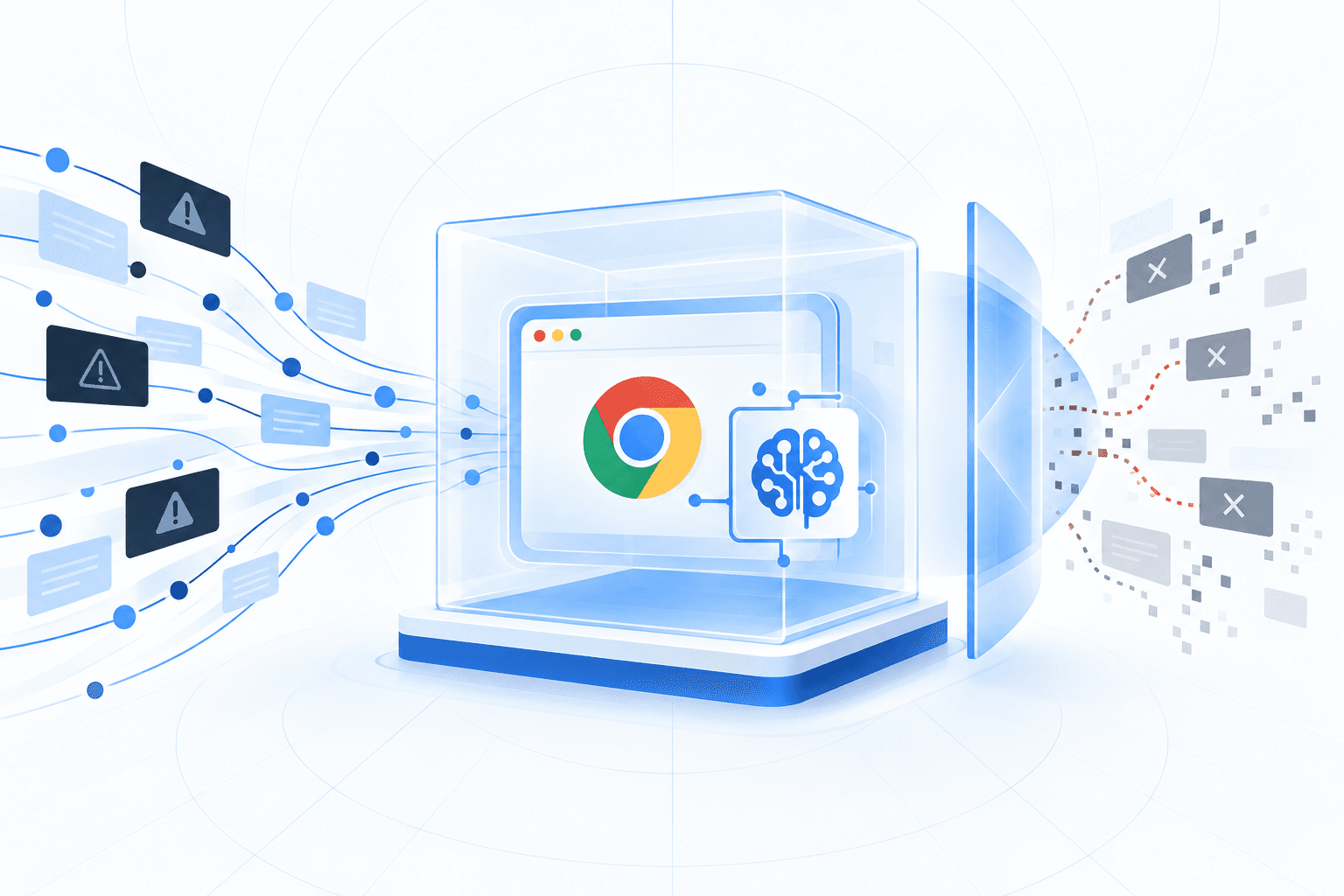
Google has acknowledged the significant risk of prompt injection attacks targeting its Gemini-powered Chrome browsing agent, which can be manipulated to perform unauthorized actions such as initiating financial transactions or exfiltrating sensitive data. In response, Google has introduced a second AI model, termed the 'user alignment critic,' designed to independently vet the agent's proposed actions before execution. This model operates in isolation from untrusted web content, providing an additional layer of defense against both goal hijacking and data leakage. The move comes as prompt injection has been identified as a leading vulnerability in AI systems, with industry bodies like OWASP and the UK's National Cyber Security Centre highlighting its prevalence and difficulty to mitigate due to the structural limitations of large language models.
The Gemini-powered browsing agent, currently in preview, is capable of navigating websites, clicking buttons, and filling forms while users are logged into sensitive accounts, increasing the potential impact of successful attacks. Security experts and analysts have emphasized the need for robust safeguards, as malicious instructions can be hidden in web pages, iframes, or user-generated content. Google's dual-model approach aims to address these concerns by ensuring that any action not aligned with the user's intent is blocked, thereby reducing the risk of exploitation through prompt injection. The development reflects a broader industry trend of reassessing the security of AI-driven browsers and the need for advanced countermeasures to protect users and organizations from emerging threats.
Why it matters
Impact assessment
Google’s Gemini-powered Chrome browsing agent introduces a meaningful enterprise risk because it can act on behalf of logged-in users across websites, including form submission, navigation, and transaction workflows. The primary impact is unauthorized actions and sensitive data exposure if prompt injection succeeds, with potential financial loss, credential misuse, privacy violations, and reputational damage.
The current scope appears emerging rather than mass exploitation: the feature is optional, remains in preview, and the reporting does not cite confirmed in-the-wild exploitation of Chrome’s Gemini agent. However, the exposure is strategically important because Chrome has broad market share and the underlying prompt-injection weakness is described as widespread across AI systems.
Affected populations
- Organizations evaluating or allowing AI-enabled browser agents in enterprise environments
- Chrome users enrolled in or testing Gemini-powered browsing agent features
- Users accessing sensitive services while the agent is active, including banking, healthcare, and authenticated business applications
- Enterprises with concerns around corporate data, credentials, and browser-mediated workflows
Severity and business consequences
- Unauthorized financial transactions are a stated risk
- Sensitive data exfiltration from authenticated sessions is a stated risk
- Browser agents operating with user privileges could undermine normal browser trust boundaries during logged-in activity
- Reputational and compliance impact is plausible where regulated or confidential data is exposed
Scope and exploitation status
- No CVE or vendor advisory for a specific software flaw is cited
- No confirmed active exploitation campaign against Chrome’s Gemini agent is reported in the references
- Industry sources cited in the story characterize prompt injection as prevalent and difficult to fully mitigate
- OWASP reportedly found prompt injection in 73% of real-world AI deployments evaluated in 2024
Structured facts extracted
- Entity: Google
- Product: Chrome Gemini-powered browsing agent
- Feature status: Optional, preview
- Security control: User Alignment Critic
- Security control: Agent Origin Sets
- Security control: User confirmation for sensitive actions
- Security control: Parallel prompt-injection classifier
- External entities: OWASP, UK NCSC, Gartner, AppOmni, Google DeepMind
- Example impacted workflows: payments, banking access, medical-site access, saved-password use, authenticated browsing