Mallory
← Back to News
standards-framework-update

Google Expands Android Developer Verification to Sideloaded Apps Worldwide

Regulatory & Policy · 5 sources · Updated 5d ago · First seen Nov 19, 2026
Google Expands Android Developer Verification to Sideloaded Apps Worldwide

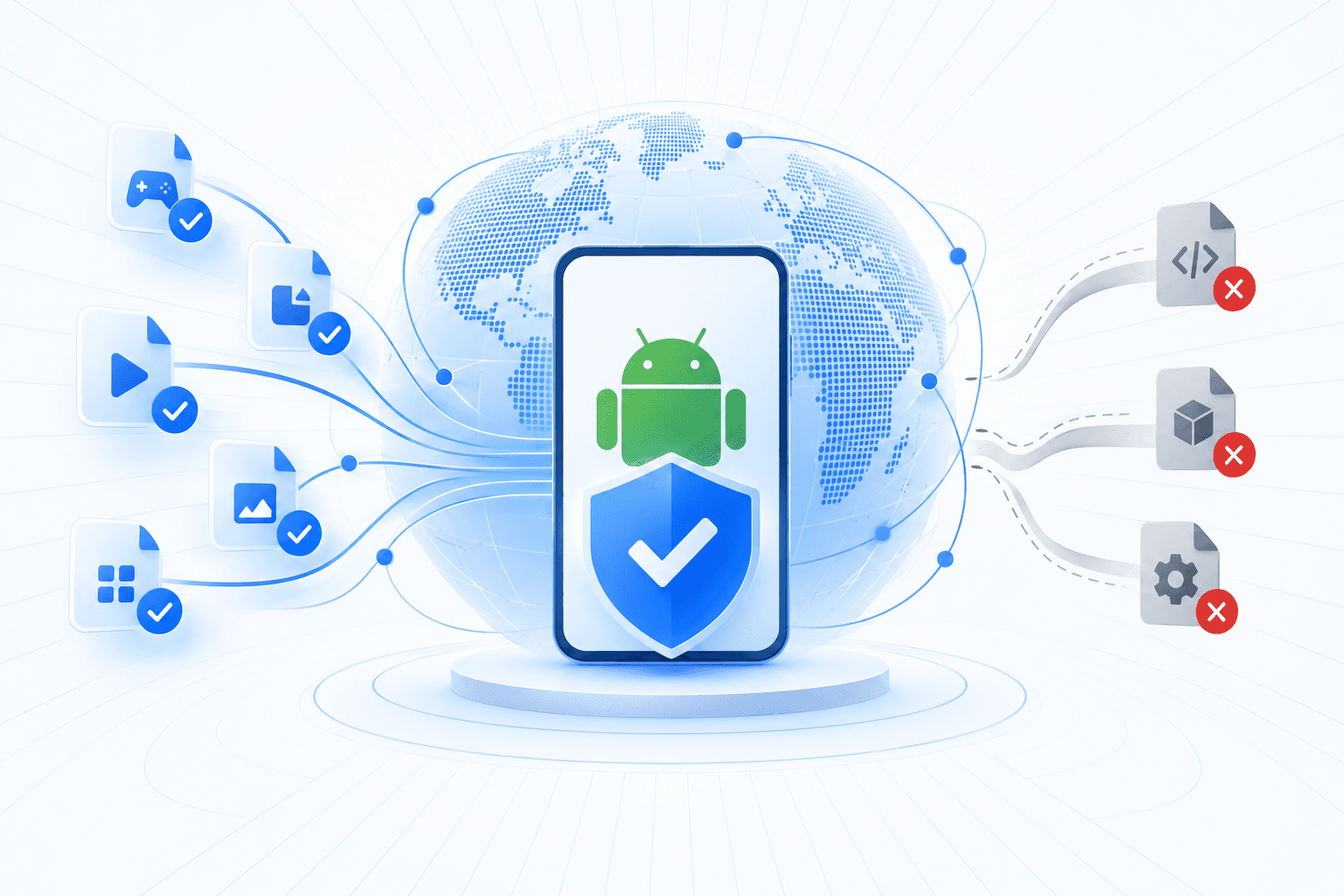
Google will begin expanding Android developer verification worldwide in January 2027, extending identity checks beyond Google Play to third-party stores, sideloading and open-source registries on certified Android devices. The expansion follows an initial rollout in Brazil, Indonesia, Singapore and Thailand on September 30. Once enforcement reaches a region, apps from developers who have not verified their identity and registered their apps will be blocked from normal installation, although experienced users will retain an advanced installation option for unregistered apps.

Registration requires government identification and a $25 fee, measures Google says will deter malware and scam-app distribution. Google reports that millions of non-Play apps are already registered and that registered apps account for more than 99% of Android installations worldwide. The verifier has been deployed to Google-certified devices running Android 8 Oreo or later, and major third-party stores have partnered with Google on enforcement. Organizations distributing Android apps outside Google Play should confirm registration readiness to avoid installation disruptions; Google also offers registration APIs and limited-distribution accounts.

Why it matters

Google will begin expanding Android developer verification globally in January 2027, creating installation-continuity risks for organizations distributing unregistered apps outside Google Play on certified Android devices. Potential impacts include blocked standard installations, delayed deployments, and support costs; Google says registered apps already represent more than 99% of installations, but that installation share does not establish individual organizations’ readiness. This is a platform-policy change, not a reported exploitation incident, and the supplied references identify no associated compromise.

  • Industry-specific impact: Information Technology is specifically affected: software developers and app distributors must support identity verification and app registration to preserve normal installation workflows, including for third-party stores and open-source registries. Google explicitly instructs Play and non-Play developers to register their apps and provides distributor guidance (Google). Other industries may depend on affected apps, but sector-specific impact beyond IT is not established.
  • Geography-specific impact: Brazil, Indonesia, Singapore, and Thailand are already affected: Google states that protections launched at participating stores there on September 30, 2026. Expansion to all countries is planned to begin in January 2027 over several months; this does not establish that every country is already subject to enforcement (Google).

What this changes for youSee the reporting duties and controls this puts on the clock.
Get the context
Event timeline

How this story unfolded

Events from the most recent confirmed update back to the earliest known activity.

7 events
  1. Reported Nov 19, 20269d ago

    Google raises the limited-distribution sharing cap to 50 devices

    Google increased the sharing limit for limited distribution accounts from 20 to 50 authorized devices.

    Android developer verification will reach every install source, with a side door for power users - Help Net Security
  2. Reported Nov 19, 20269d ago

    Google launches limited distribution accounts for students and hobbyists

    Google launched limited distribution accounts in August, allowing students and hobbyists to distribute apps without registration fees or government identification checks.

    Android developer verification will reach every install source, with a side door for power users - Help Net Security
  3. Reported Nov 19, 20269d ago

    Google opens Android developer verification to all developers

    Google opened verification to all developers in March, ahead of regional enforcement.

    Android developer verification will reach every install source, with a side door for power users - Help Net Security
  4. Reported Nov 19, 20269d ago

    Google announces plans to expand developer verification worldwide

    Google announced plans to begin worldwide expansion in January 2027 and extend verification to every installation source over several months, including sideloading and open-source registries. Unregistered apps will lose the normal installation experience, while an advanced installation flow will allow experienced users to accept the risk and proceed.

    Google will launch Android app verification requirement globally in January 2027 - Ars Technica
  5. Reported Nov 19, 20269d ago

    Developer verification enforcement launches in four countries

    Verification protections went live on September 30 at participating app stores in Brazil, Indonesia, Singapore and Thailand. Google partnered with Galaxy Store, Honor, Oppo, Xiaomi, Transsion and Vivo to enforce verification.

    Google will launch Android app verification requirement globally in January 2027 - Ars Technica
  6. Reported Nov 19, 20269d ago

    Google deploys the system-level Android app verifier

    Google deployed the verifier service to Google-certified devices running Android 8 Oreo or later. The service enforces restrictions on installations of unregistered apps where verification requirements are active.

    Google will launch Android app verification requirement globally in January 2027 - Ars Technica
  7. Reported Nov 19, 20269d ago

    Google announces Android developer verification beyond Google Play

    Google announced plans to extend developer verification to Android apps distributed outside Google Play. Standard registration requires government identification and a $25 fee, which Google says will help deter malware and scam-app distribution.

    Google will launch Android app verification requirement globally in January 2027 - Ars Technica
Linked entities

Related entities

Vulnerabilities, threat actors, malware, products, organizations, and breaches Mallory has linked to this story.

Open in app →

Affected products

1 linked
Android

Organizations

1 linked
Google
Do you run this?See what this changes for your reporting obligations and which controls it puts on the clock.
Get the Regulatory Context
Mallory platform

See the full picture, correlated to your attack surface.

This page covers what’s public. Mallory adds the parts that aren’t: which of your assets are affected, which threat actors are using it right now, and what to deploy next.

Exposure mappingMap indicators from this story to your assets and identify affected systems in minutes.
Threat actor evidenceEvery observed campaign, victim, and pivot linked to actors named in this story.
Associated malwareMalware, exploits, and IOCs connected to the activity described here.
Detection signaturesYARA, Sigma, and Snort rules deployed to your SIEM as soon as they’re published.
Scheduled alertsGet matching new stories delivered to your team as they break, not the next morning.
AI threadsAsk questions about this story and take action on the answers.