Google's New Android Developer Verification Rules and Impact on Sideloading and Third-Party App Stores
10 sources · Updated 5mo ago · First seen Oct 1, 2025

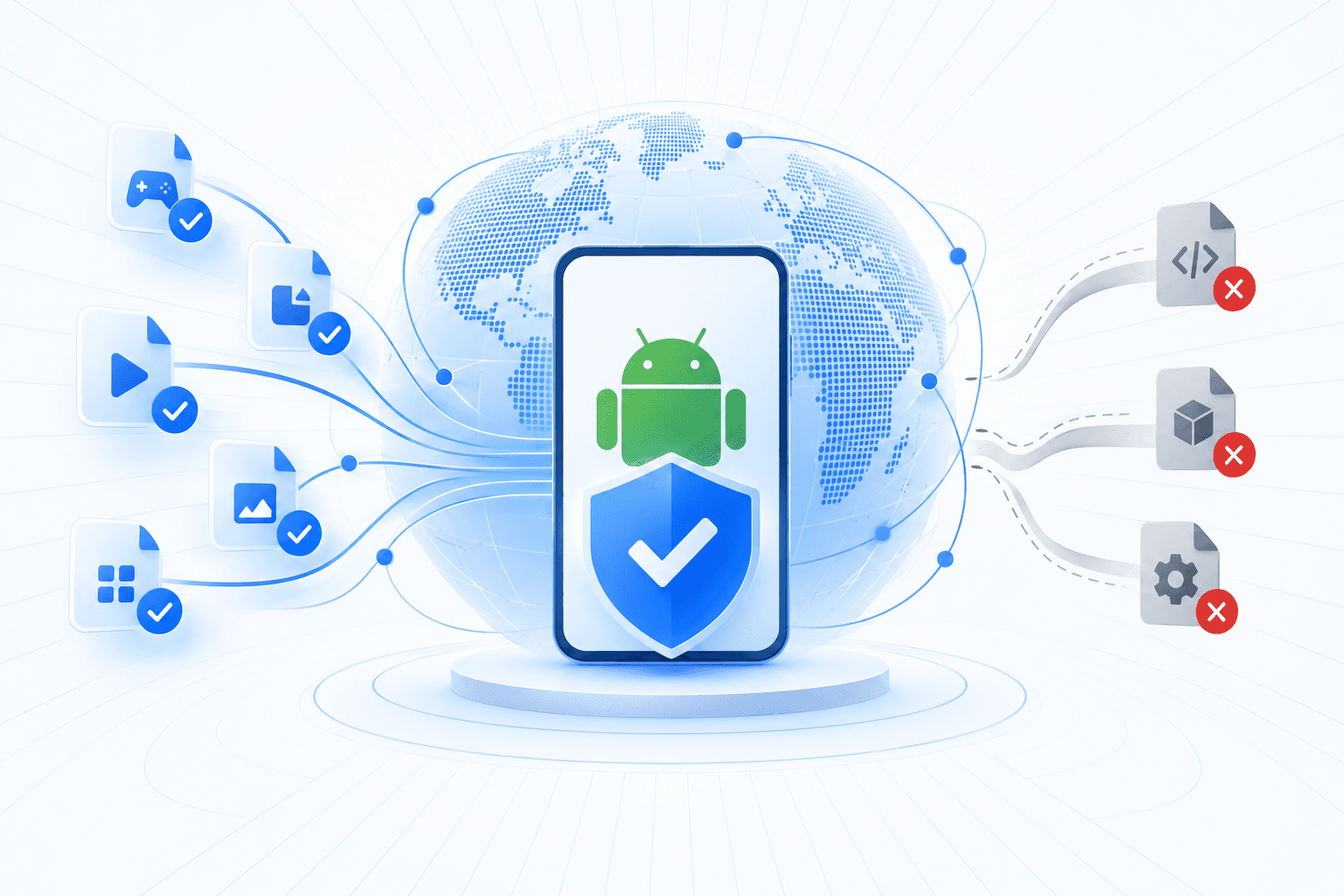
Google has announced significant changes to the Android app ecosystem by introducing mandatory developer verification for all apps installed on certified Android devices. This new policy, set to take effect in 2026, requires that developers verify their identity with Google before their apps can be installed, even when sideloading outside the official Play Store. Google has emphasized that sideloading, a fundamental feature of Android allowing users to install apps from sources other than the Play Store, will not be eliminated. Instead, the company asserts that the new rules are designed to enhance user safety by ensuring that all apps, regardless of their source, are digitally signed by verified developers. The move is positioned as a security measure to protect users from malicious actors and to ensure that apps are genuinely from the developers they claim to be. However, the policy has sparked concern among privacy advocates and the open-source community, particularly the F-Droid project, a prominent third-party app store for free and open-source Android software. F-Droid warns that the new requirements could threaten its existence, as many open-source developers are unwilling or unable to provide personal identification to Google or pay associated registration fees. The project highlights that it cannot compel developers to register with Google, nor can it take over app identifiers without undermining the open-source ethos. F-Droid's board members have stated that the enforcement of this policy could effectively end the project and similar alternative app distribution platforms. Critics argue that while the policy is framed as a security enhancement, it may also serve to consolidate Google's control over the Android ecosystem and limit user choice. The new rules mirror Apple's longstanding approach to app developer verification, signaling a shift towards a more tightly regulated app environment on Android. Google maintains that the changes are not intended to restrict access to apps but to provide greater transparency and accountability for both users and developers. The company has reiterated that sideloading will remain possible, but only for apps from verified developers, aiming to strike a balance between openness and security. The debate continues as stakeholders assess the long-term implications for app diversity, user privacy, and the future of open-source software on Android devices. The policy's rollout and its impact on alternative app stores and the broader Android community will be closely watched in the coming years. Security professionals and CISOs should monitor these developments, as they may affect app deployment strategies, user device management, and compliance requirements for Android environments.
Why it matters
Impact Assessment
- Affected populations: Organizations that rely on Android sideloading, enterprise mobile app distribution, third-party app stores, and open-source Android software are most affected. This includes enterprises distributing internal APKs outside Google Play, managed Android fleets, privacy-focused users, and alternative marketplaces such as F-Droid.
- Primary business impact: This is a platform policy and ecosystem control change, not a vulnerability or active intrusion. The main risk is operational disruption to existing app distribution models if developers are not verified by Google before the 2026 enforcement date.
- Security impact: Google positions the change as a way to reduce malicious or impersonated apps by requiring apps installed on certified Android devices to be associated with verified developers. If implemented as described, it could improve provenance and accountability for sideloaded apps.
- Operational and compliance impact: Security and mobility teams may need to revise BYOD/mobile device management policies, internal app signing and distribution workflows, and developer onboarding/compliance processes. Organizations using custom or partner-delivered APKs may face deployment delays if those developers do not complete verification.
- Ecosystem impact: The policy may materially affect third-party app stores and community/open-source distribution channels whose developers may resist identity verification or registration fees. This could reduce app availability and user choice on certified Android devices.
- Scope: Potentially broad across the Android ecosystem for certified devices, but the impact is currently forward-looking because enforcement is scheduled for 2026.
- Exploitation status: There is no reported exploitation in the wild associated with this story. This is not an incident report; it is an exposure and policy-change issue that warrants planning and environment review.