NIST Finalizes Secure OT Remote Access Guide for Water and Wastewater Utilities
Regulatory & Policy · 2 sources · Updated 11d ago · First seen Nov 18, 2026
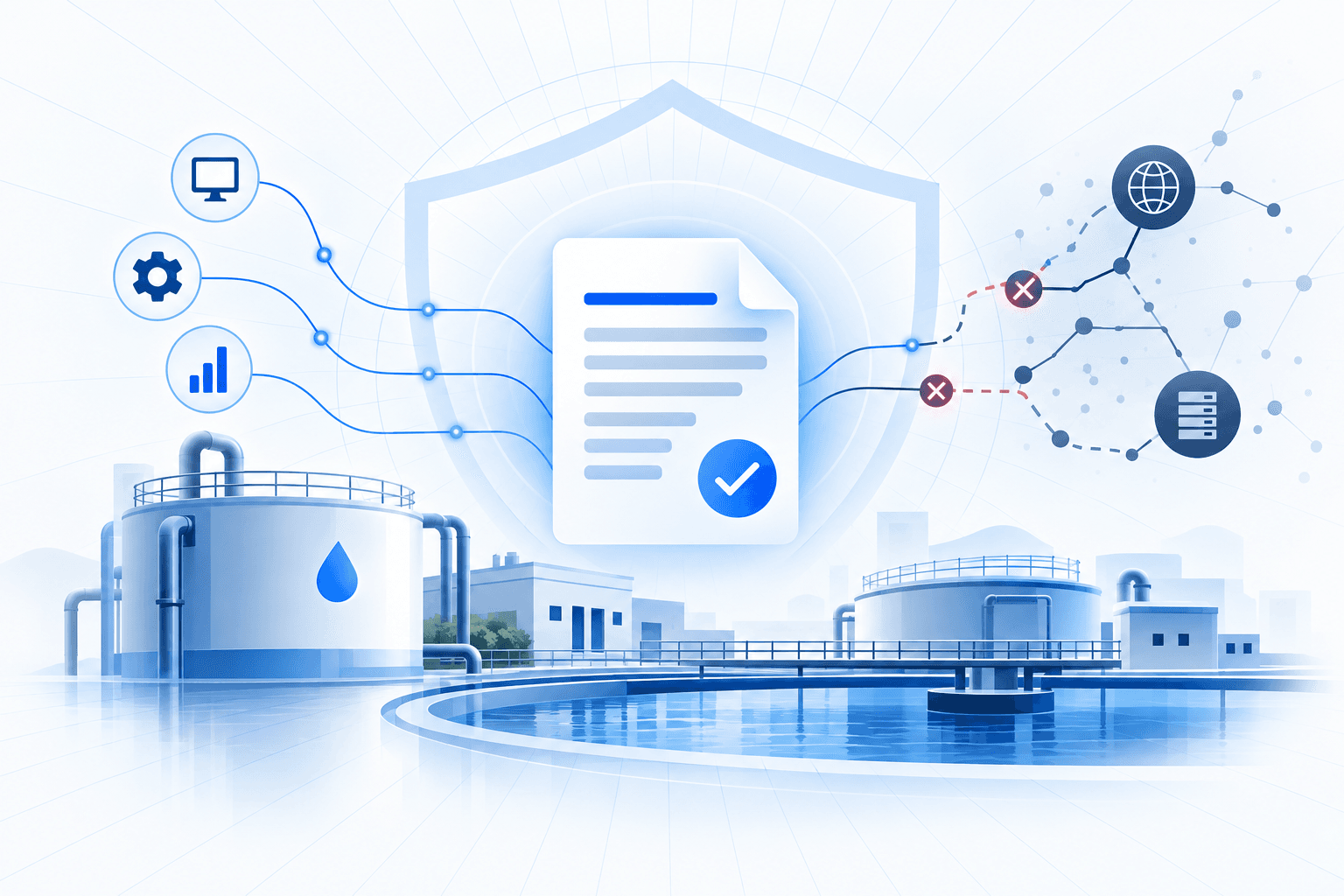
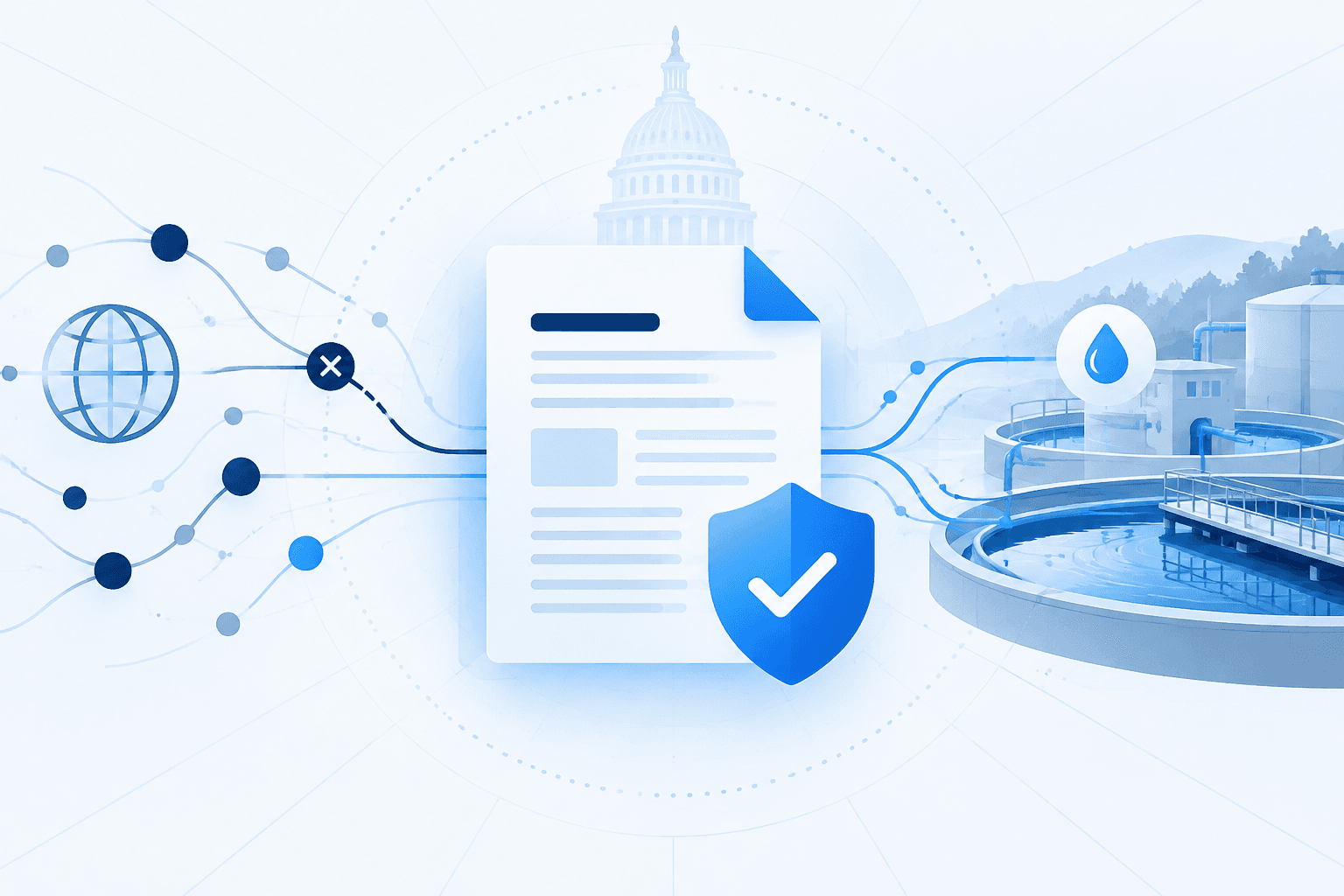
NIST’s National Cybersecurity Center of Excellence has finalized Special Publication 1800-45, a practice guide demonstrating secure remote access architectures for operational technology in water and wastewater utilities. Released June 16, the guide uses commercially available technologies tested in a laboratory to help organizations of varying sizes secure increasingly connected operational environments. Previously issued as draft NIST Technical Note 2283, it was revised into an NCCoE practice guide following community feedback.
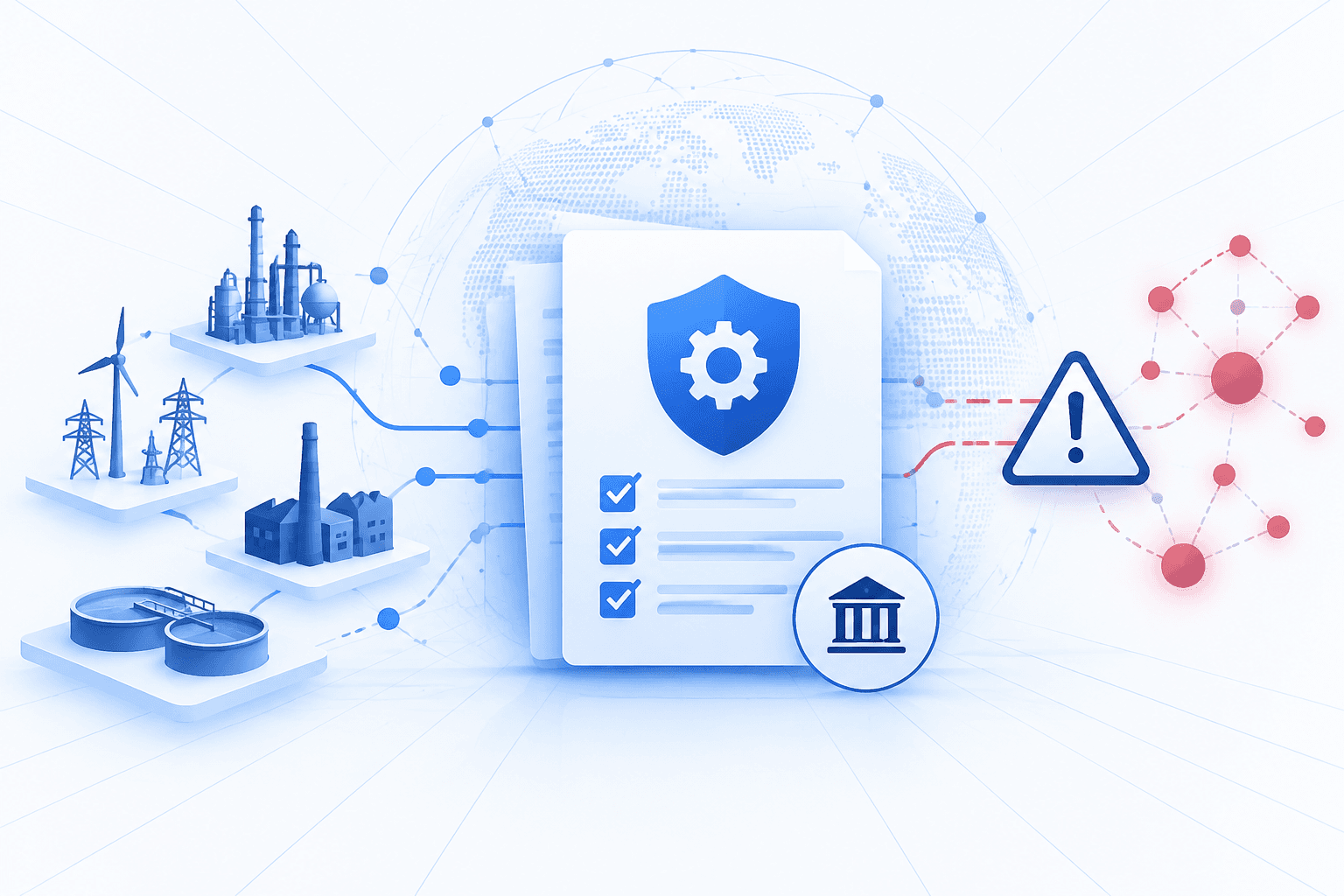
The voluntary guide provides 15 Cybersecurity Framework-mapped considerations and three reference architectures, giving utilities a starting point for evaluating and improving remote access controls. The guidance addresses risks illustrated by the CyberAv3ngers campaign, which CISA attributes to Iran’s Islamic Revolutionary Guard Corps: attackers compromised an internet-exposed controller protected by a factory-default password at the Municipal Water Authority of Aliquippa, shutting down a booster pump in November 2023. Utilities can use the reference architectures to assess their remote access designs and prioritize protections for exposed OT systems; the publication is implementation guidance, not a regulatory mandate.
Why it matters
NIST SP 1800-45 provides voluntary implementation guidance for securing remote access to water and wastewater operational technology (OT), rather than announcing a new vulnerability or regulatory mandate. Weak remote-access controls can enable equipment manipulation and interrupt essential services; the supplied reporting cites a November 2023 booster-pump shutdown and an Irish district losing running water for days. These are historical exploitation examples, not evidence of a newly disclosed campaign or compromise of the guide’s implementations.
- Industry-specific impact: Water and wastewater utilities (Utilities, 55) are explicitly addressed by the guide. Their adoption of internet-connected operational systems creates exposure affecting water supply, wastewater treatment, and service continuity (NIST).
- Geography-specific impact: Historical campaign activity reportedly reached at least 75 devices across the United States, Israel, Britain, and Ireland. Concrete service disruptions are described at the Municipal Water Authority of Aliquippa in the United States and in an unnamed Irish district; the supplied content does not establish equivalent disruption in Israel or Britain (Dispel). These examples do not limit the guide’s applicability to those countries.