Phishing Compromises Luxury Hotel Reservation Inboxes to Enable Refund Fraud
Social Engineering & Fraud · 2 sources · Updated 12d ago · First seen Nov 17, 2026
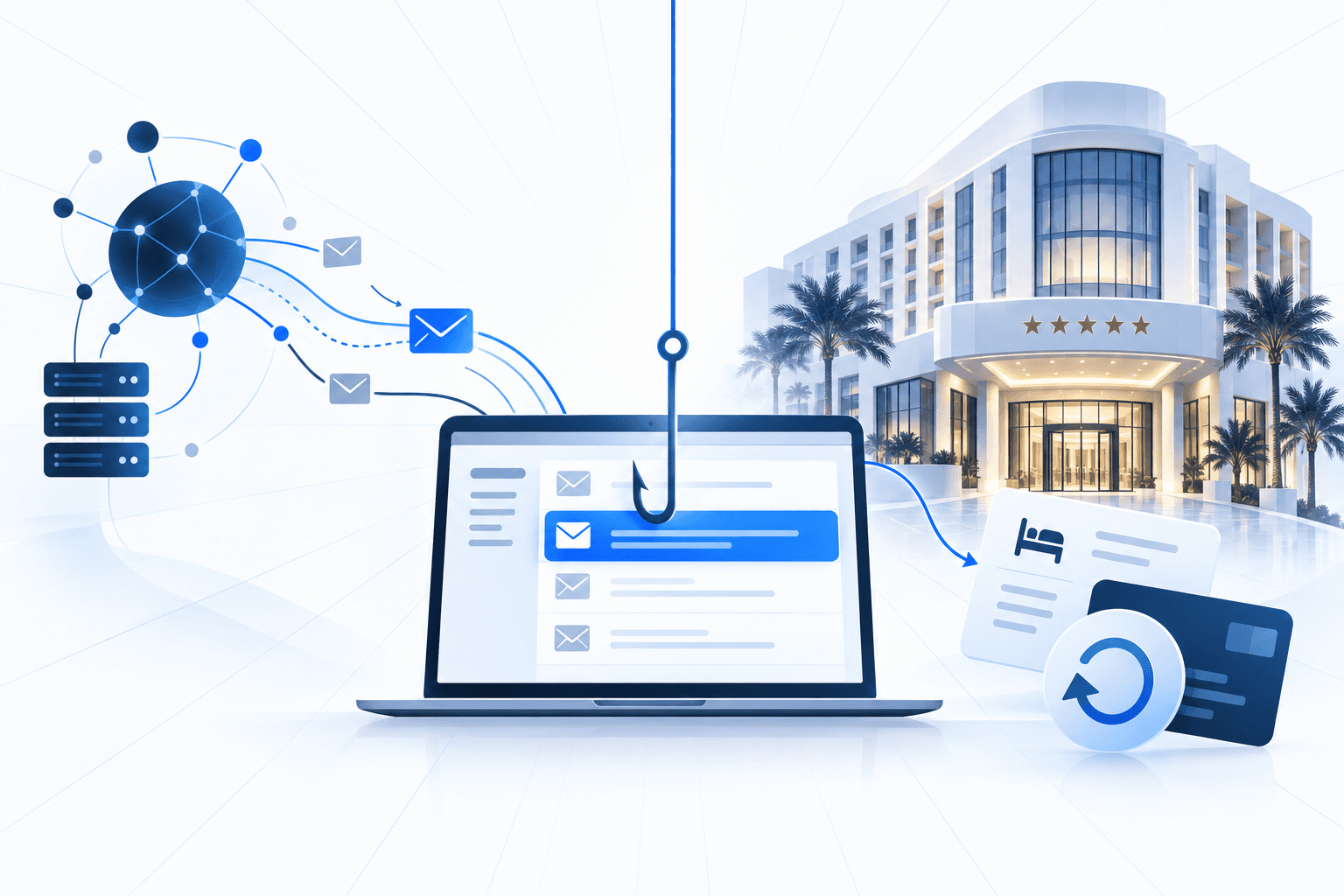
Attackers used fake booking requests to compromise luxury hotel reservation inboxes, then intercepted legitimate refund requests and substituted fraudulent versions that led to unauthorized financial approvals. SC Media reported the scheme, citing an account attributed to Schneier on Security. The attack exploited a routine business workflow: reservation staff must respond to inquiries from unfamiliar senders, making blanket advice to avoid suspicious messages difficult to apply.
The account also identified fragmented security responsibility among hotel property owners, management operators, and global brands as a structural weakness that can leave infrastructure protection without clear accountability. A guest-first service culture compounds the challenge by encouraging employees to accommodate requests. For hotel operators, the incident underscores the importance of independently verifying refund changes and clearly assigning responsibility for reservation-system security, rather than relying solely on employees to recognize phishing.
Why it matters
Luxury hotel reservation inboxes were reportedly compromised and used to replace legitimate refund requests with fraudulent versions, resulting in unauthorized financial approvals. The incident creates financial-loss and guest-trust risks, but the supplied content does not establish the number of affected properties, approved amounts, completed payments, or geographic scope.
- Industry-specific impact: Consumer Discretionary (25) is specifically affected because the reported compromises targeted luxury hotels and their reservation/refund workflows. This is observed sector targeting, not merely generic email exposure. SC Media
- Geography-specific impact is not established: no affected countries, properties, or guest locations are identified.
- Operational exposure: Reservation staff must handle inquiries from unfamiliar senders. The account identifies guest-first service expectations and fragmented responsibility among property owners, operators, and brands as weaknesses that can impede verification and security accountability.
- Exploitation status: Successful mailbox compromises and unauthorized approvals are reported; the supplied material does not independently substantiate the incidents or confirm completed financial losses.