Mallory
← Back to News
identity-impersonation-fraudphishing-campaign-intelligencebusiness-email-compromisecredential-stealer-activity

Attackers Hijack Hotel Booking Workflows to Send Fake Guest Payment Requests

Social Engineering & Fraud · 3 sources · Updated 5mo ago · First seen Mar 25, 2026
Attackers Hijack Hotel Booking Workflows to Send Fake Guest Payment Requests

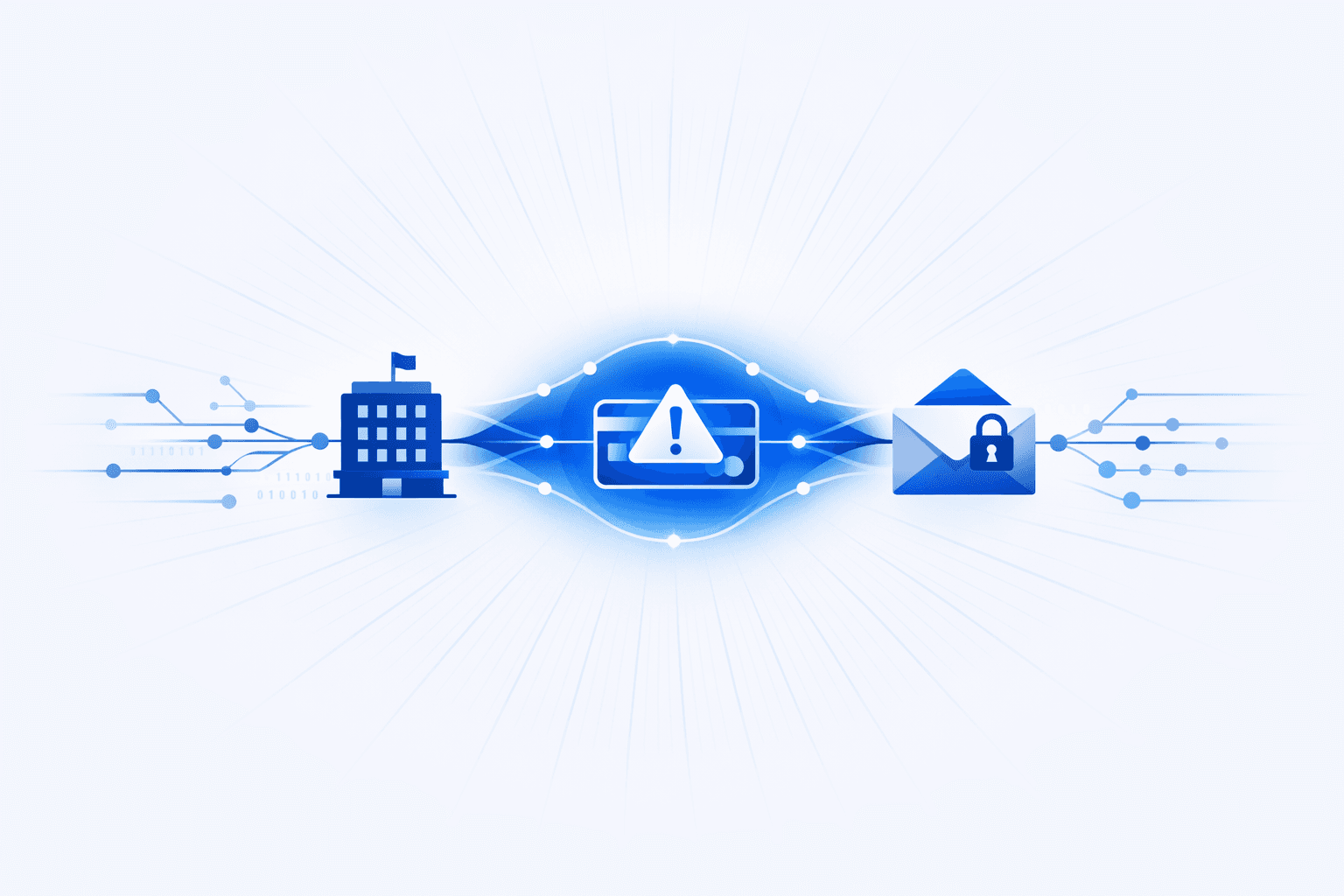
Attackers are exploiting hotel reservation systems and booking workflows in a fraud campaign dubbed the Reservation Hijack Scam, using stolen reservation details and compromised staff accounts to contact real travelers through trusted channels including Booking.com messaging, email, SMS, and WhatsApp. Researchers said the scam is especially effective because messages arrive in legitimate conversation threads or from authentic hotel accounts, making fake payment requests appear to be routine customer service. Victims are then directed to spoofed guest portals, branded PDFs, or typo-squatted payment sites designed to steal card details or induce bank transfers.

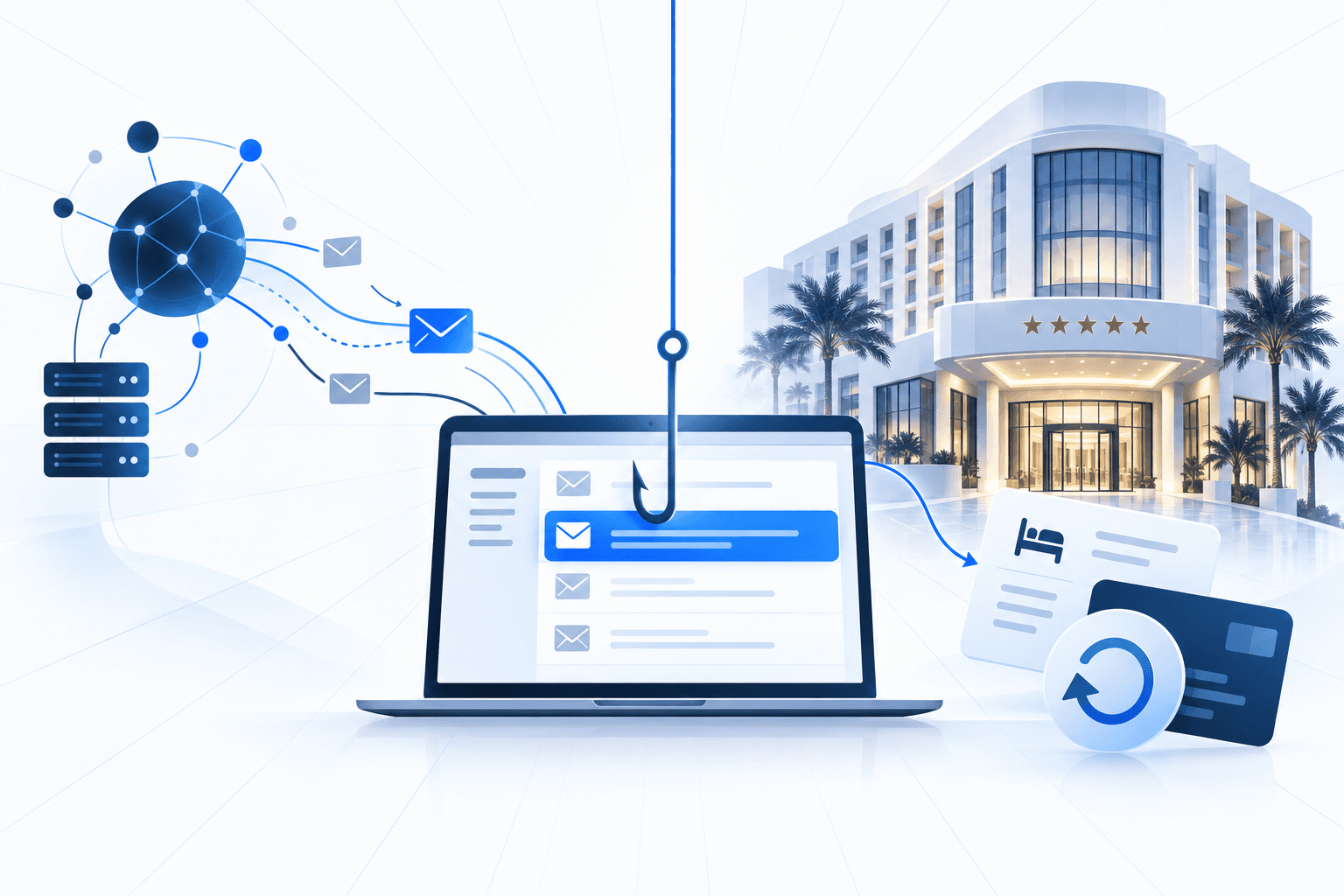
In more advanced intrusions, attackers first phish hotel employees for credentials to hospitality platforms such as Cloudbeds, or gain persistent access by tricking partners into running malicious commands that deploy a remote access trojan. Cloudbeds said observed cases were caused by credential phishing rather than a breach of its platform. The activity has been reported most heavily in the UK, France, Germany, the US, Brazil, and Australia, prompting recommendations that travelers verify payment requests only through official hotel or booking channels, while hospitality organizations strengthen phishing-resistant authentication, access controls, monitoring, and incident response.

Why it matters

Impact assessment

This campaign primarily affects the hospitality sector, booking-platform partners, and travelers whose reservations are handled through compromised hotel or partner workflows. Impact is financially significant because attackers use legitimate reservation context and trusted communication channels to steal payment card data, induce bank transfers, and enable follow-on identity theft and business-email-compromise-style fraud.

Exposure appears broad across multiple countries rather than isolated to a single brand, with the heaviest reported activity in the UK, France, Germany, the US, Brazil, and Australia. There are documented real-world cases of attackers abusing legitimate hotel or Booking.com-linked accounts and message threads, which materially increases success rates and complicates detection.

Supporting facts

  • Affected entities:
    • Hotels and hospitality providers
    • Booking-platform partners and accommodation operators
    • Travelers and corporate travelers
    • Hospitality platform users including Cloudbeds customers
  • Business impact:
    • Theft of card and banking details
    • Fraudulent bank transfers
    • Identity theft risk for travelers
    • Reputational damage to hotels and booking platforms whose trusted channels are abused
    • Potential downstream BEC-style fraud using stolen reservation and contact data
  • Scope:
    • Multi-country activity reported in the UK, France, Germany, the US, Brazil, and Australia
    • Abuse observed across Booking.com-linked workflows and other hospitality communication environments
    • Smaller hospitality properties are noted as especially at risk due to lean staffing and reliance on rapid communications
  • Exploitation status:
    • Active campaign documented by Gen Digital and Norton researchers
    • Observed cases involved compromised staff or partner accounts sending fraudulent payment requests through legitimate channels
    • Cloudbeds stated observed incidents were caused by credential phishing, not a platform breach
Is your org in this campaign?Get the infrastructure and lures behind it.
Hunt this campaign
Event timeline

How this story unfolded

Events from the most recent confirmed update back to the earliest known activity.

4 events · Mar 25, 2026
  1. Mar 25, 20268mo ago

    Gen Digital documents and publishes research on the Reservation Hijack Scam

    Gen Digital published research describing the Reservation Hijack Scam as a fast-growing fraud campaign affecting hospitality workflows in regions including Western Europe, the United States, Brazil, and Australia. The report detailed tactics such as fake guest portals, spoofed payment pages, branded PDFs, and typo-squatted domains used to steal card or bank transfer details.

  2. Mar 25, 20268mo ago

    Cloudbeds-linked cases attributed to credential phishing, not platform breach

    Cases involving Cloudbeds-connected hotel operations were reported in which stolen staff credentials were used to access reservation information and guest communications. Cloudbeds stated the incidents were caused by phishing against users rather than a breach of its platform.

  3. Mar 25, 20268mo ago

    Phishing of hotel staff enables access to reservation and guest messaging systems

    In stronger variants of the scam, attackers phished hotel employees for credentials to hospitality platforms such as Cloudbeds, and in some cases used malicious commands to install remote access malware for persistent access. This gave them access to reservation data and legitimate guest communication workflows.

  4. Mar 25, 20268mo ago

    Attackers begin using hotel reservation context to scam guests

    A fraud pattern dubbed the Reservation Hijack Scam emerged in which attackers abused real hotel reservation details and trusted communication channels to send fake payment requests to travelers. The scam used channels including Booking.com messaging, email, SMS, and WhatsApp to make the requests appear legitimate.

Linked entities

Related entities

Vulnerabilities, threat actors, malware, products, organizations, breaches, and observables Mallory has linked to this story. Indicator values are masked here and available in full in the app.

Open in app →

Organizations

1 linked
Booking.com

Observables

3 linked

Indicator values are masked on this page. See the values in Mallory Domains, IPs, hashes, and URLs are exportable to your SIEM.

Do you run this?Get the infrastructure, lures, and IOCs behind this campaign, ready to push into your email and identity stack.
Hunt This Campaign
Mallory platform

See the full picture, correlated to your attack surface.

This page covers what’s public. Mallory adds the parts that aren’t: which of your assets are affected, which threat actors are using it right now, and what to deploy next.

Exposure mappingMap indicators from this story to your assets and identify affected systems in minutes.
Threat actor evidenceEvery observed campaign, victim, and pivot linked to actors named in this story.
Associated malwareMalware, exploits, and IOCs connected to the activity described here.
Detection signaturesYARA, Sigma, and Snort rules deployed to your SIEM as soon as they’re published.
Scheduled alertsGet matching new stories delivered to your team as they break, not the next morning.
AI threadsAsk questions about this story and take action on the answers.