AI-Assisted Research Drives Reported CVE Surge as Exploitation Timelines Shrink
Active Exploitation · 4 sources · Updated 10d ago · First seen Nov 16, 2026
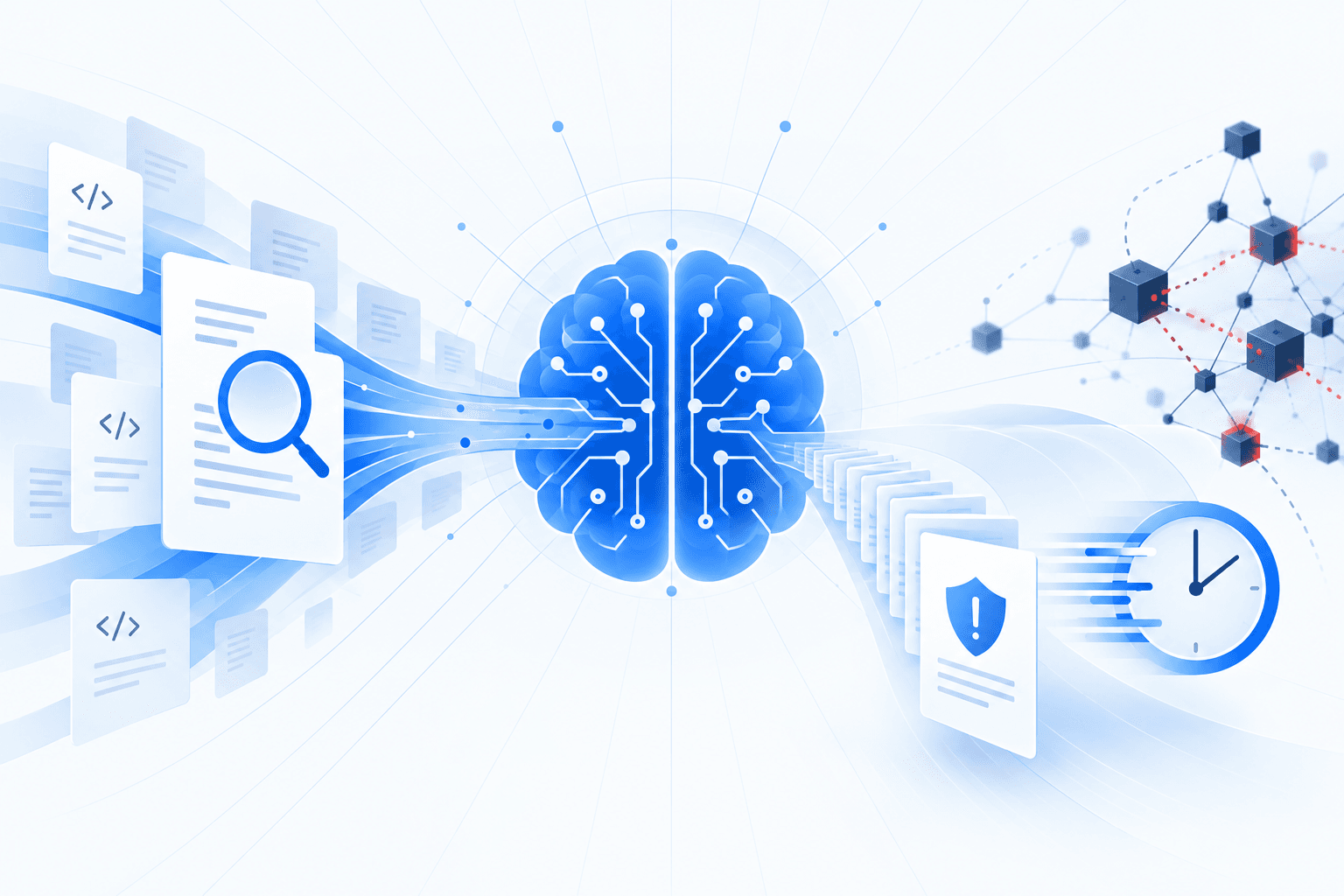
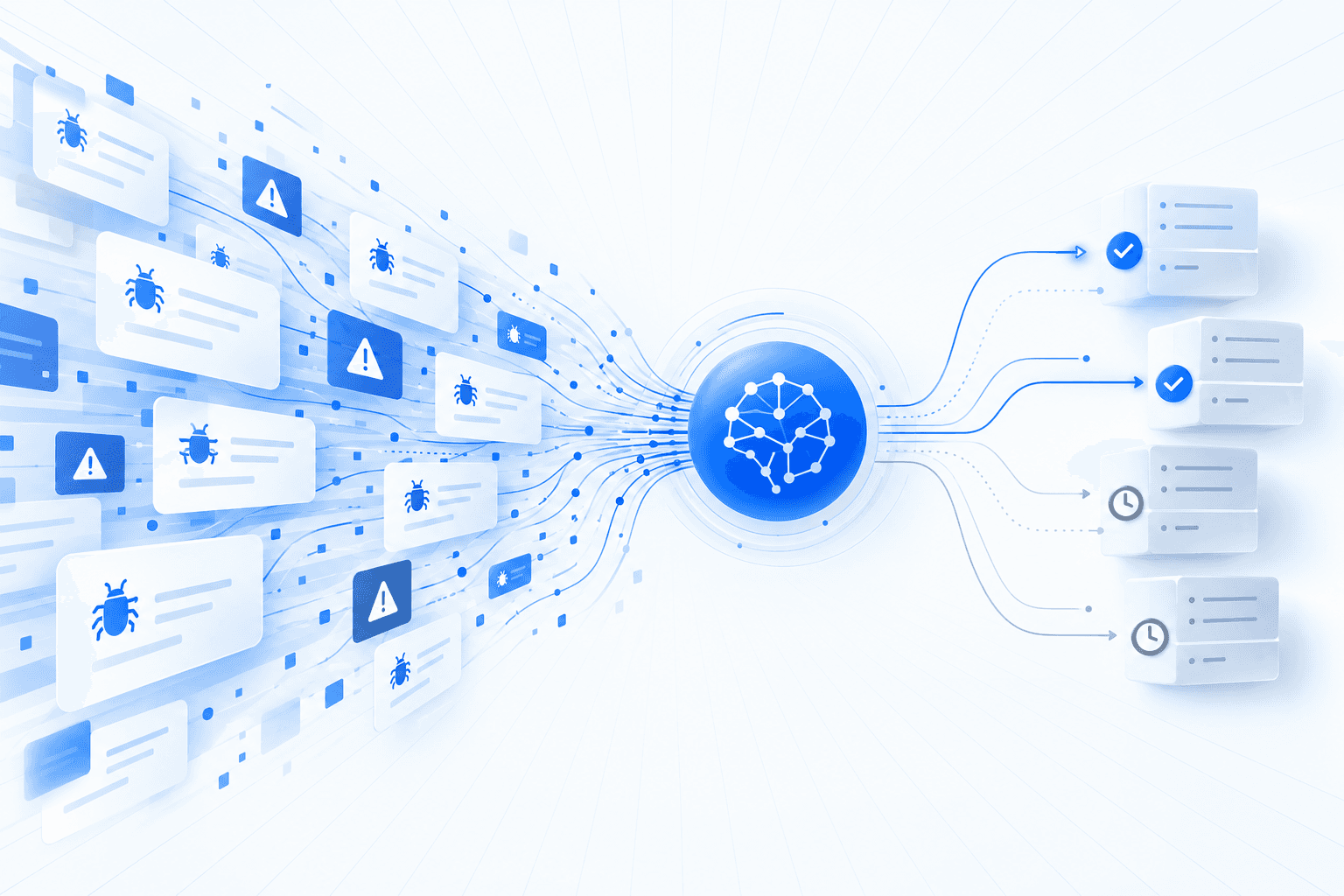
Reported vulnerability disclosures exceeded 100,000 in 2026, with 100,222 CVEs published by November 13—more than double the 2025 total. Reporting citing VulnCheck attributes much of the increase to AI-assisted security research and automated flaw discovery. Approximately 1.4% of vulnerabilities are reportedly exploited in the wild, but the median disclosure-to-exploitation interval fell from 120 days in 2025 to 80 days in the first half of 2026. China-linked groups reportedly launched some attacks within 24 hours of disclosure, underscoring the much shorter response window for certain flaws.
The surge is increasing pressure on vendors and open-source maintainers to distinguish actionable findings from report volume. VulnCheck reportedly disclosed 14 critical vulnerabilities in Copeland refrigeration controllers, two of which were actively exploited. AI-generated vulnerability reports have also reportedly contributed to changes in curl’s reporting process and the closure of its bug bounty program. The reports describe CISA guidance favoring risk-based patch prioritization over severity scores or fixed remediation timelines alone, emphasizing internet exposure, evidence of active exploitation, and the potential to automate attacks. Security teams should use those factors to identify urgent remediation targets rather than treating every disclosure as equally pressing.
Why it matters
The reports describe a sharp increase in vulnerability-disclosure volume and shorter exploitation windows, increasing remediation costs and the risk of compromise before patches are deployed. Reported exploitation of Copeland refrigeration controllers illustrates potential physical and operational consequences, while vendor and open-source reporting backlogs threaten response capacity; the aggregate statistics remain secondary-source claims rather than independently verified measurements.
- Industry-specific impact: Consumer Staples is supported by reported historical attacks on refrigeration controllers causing food spoilage and fires in European supermarkets (Cyberveille). Financials is supported by Bank of America reportedly hiring 1,000 contractors to remediate AI-discovered vulnerabilities (Tech Policy Press). Information Technology is supported by Microsoft and Oracle facing increased vulnerability-report volume and curl changing its reporting process and closing its bounty program (SC World, Cyberveille).
- Geography-specific impact: Europe is supported by the reported historical supermarket incidents, but no individual affected country is identified. Country-specific impact is not established; China-linked attacker attribution and US/UK agency commentary do not establish victim geography.
- Scope and uncertainty: The disclosure trend is broad, but exploitation is reportedly concentrated in approximately 1.4% of disclosed vulnerabilities. Two Copeland vulnerabilities were reportedly actively exploited; the supplied material does not establish that recent outages at named organizations resulted from rushed patching.