AI-Driven Vulnerability Discovery Swells CVE Volume as Triage Struggles Persist
Regulatory & Policy · 2 sources · Updated 4mo ago · First seen Jun 15, 2026

FIRST reported that 2026 vulnerability disclosures are running far above expectations, with cumulative CVE volume tracking 46.3% above its original forecast and adding roughly 6,420 excess entries, pushing the projected annual total to about 66,000. The organization attributed the surge to AI-assisted discovery and broader reporting pipelines tied to tools and programs including Anthropic Mythos, OpenAI GPT-5.4-Cyber, GitHub Security Advisories, and VulnCheck. Despite the jump in raw disclosures, FIRST said practical defender risk appears more stable when filtered through exploitability signals such as CISA KEV inclusion or EPSS scores above 10%, and warned that AI-generated ephemeral software may create short-lived “micro-vulnerabilities” that never reach traditional CVE registries.
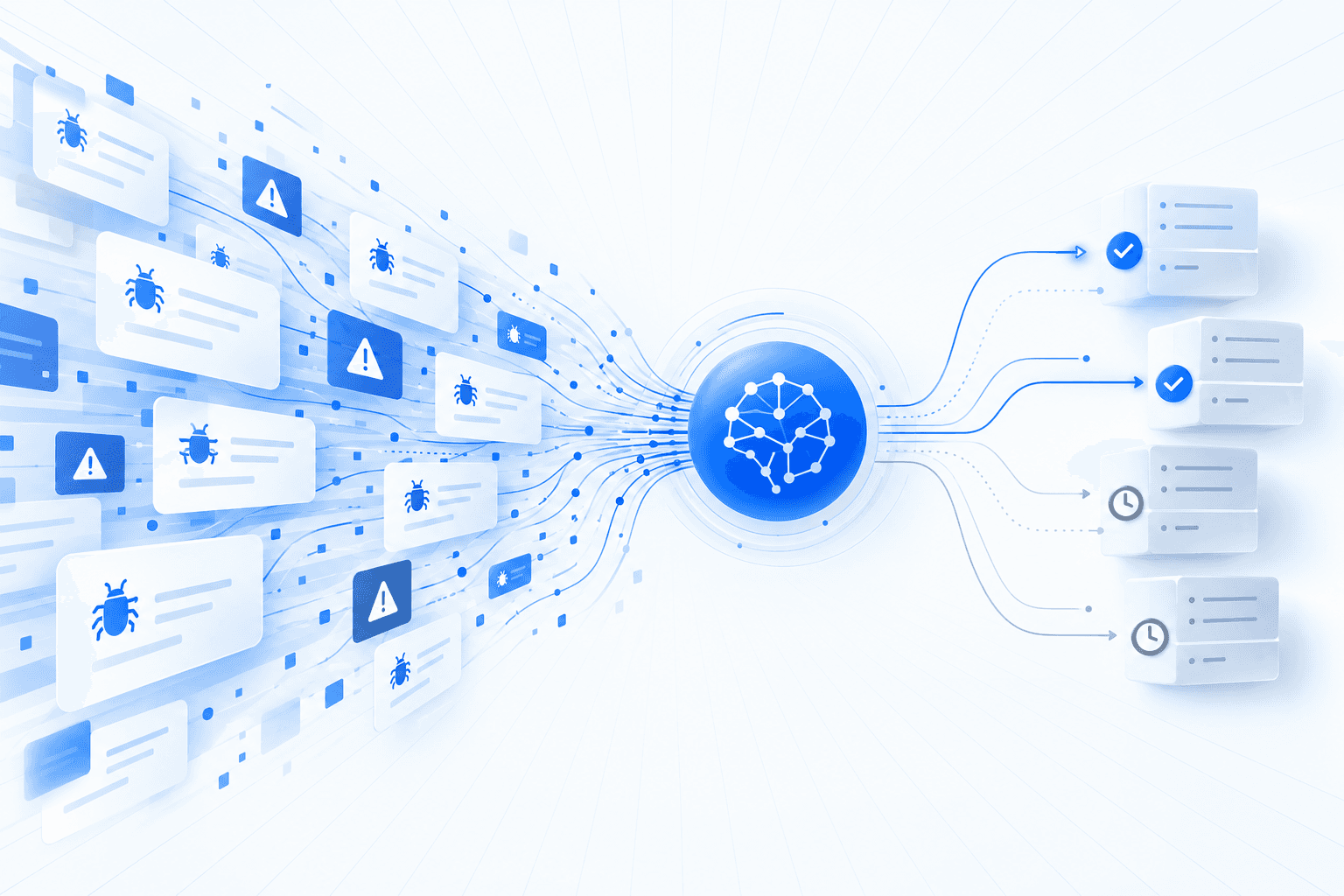
Security practitioners said the growing volume is colliding with persistent limits in AI-based triage. Dark Reading reported that large language models still struggle to reliably find and prioritize vulnerabilities for application security teams, producing high false-positive rates, inconsistent results, and weak understanding of code reachability and deployment context. Pixee CTO Arshan Dabirsiaghi said organizations are being flooded by vulnerability findings and dependency update noise without enough staff to validate issues at scale, reinforcing FIRST’s view that the bottleneck has shifted from discovering bugs to human verification, coordination, patching, and detection engineering.
Why it matters
Impact assessment
CVE volume growth is materially increasing workload for vulnerability management, application security, and patch governance teams, especially in enterprises with large software portfolios, open source dependencies, and high release velocity. The immediate business impact is operational strain from triage backlog, false positives, dependency-update noise, and delayed remediation rather than a single new exploit path or product-specific outage.
The scope is broad across software vendors, enterprises, and security teams that consume CVE-driven workflows, but the story does not describe a targeted campaign or a newly weaponized vulnerability. FIRST assesses that practical defender risk remains comparatively stable when filtered by exploitability signals such as CISA KEV inclusion or EPSS above 10%, and the article does not report specific in-the-wild exploitation tied to this story.
Supporting details
- Affected populations:
- Vulnerability management teams
- Application security teams
- Software maintainers and product security teams
- Enterprises with large open source dependency footprints
- Organizations relying heavily on AI-assisted scanning or automated dependency remediation
- Severity of impact:
- Increased analyst workload and triage fatigue
- Higher risk of remediation delays due to validation bottlenecks
- Potential code quality, performance, and security regressions from fixing non-issues
- Resource strain from increased patch coordination and detection engineering demands
- Scope of exposure:
- Broad, ecosystem-wide exposure driven by disclosure volume growth
- Not limited to a single vendor, CVE, or technology stack
- More acute for organizations with immature reachability analysis and limited staffing
- Exploitation status:
- No specific exploitation campaign or active abuse is identified in the references
- FIRST states actionable risk appears more stable when filtered through KEV and EPSS-based exploitability overlays