EU Sanctions NoName057(16) Hackers and Kremlin-Linked Disinformation Network
Regulatory & Policy · 12 sources · Updated 10d ago · First seen Nov 16, 2026
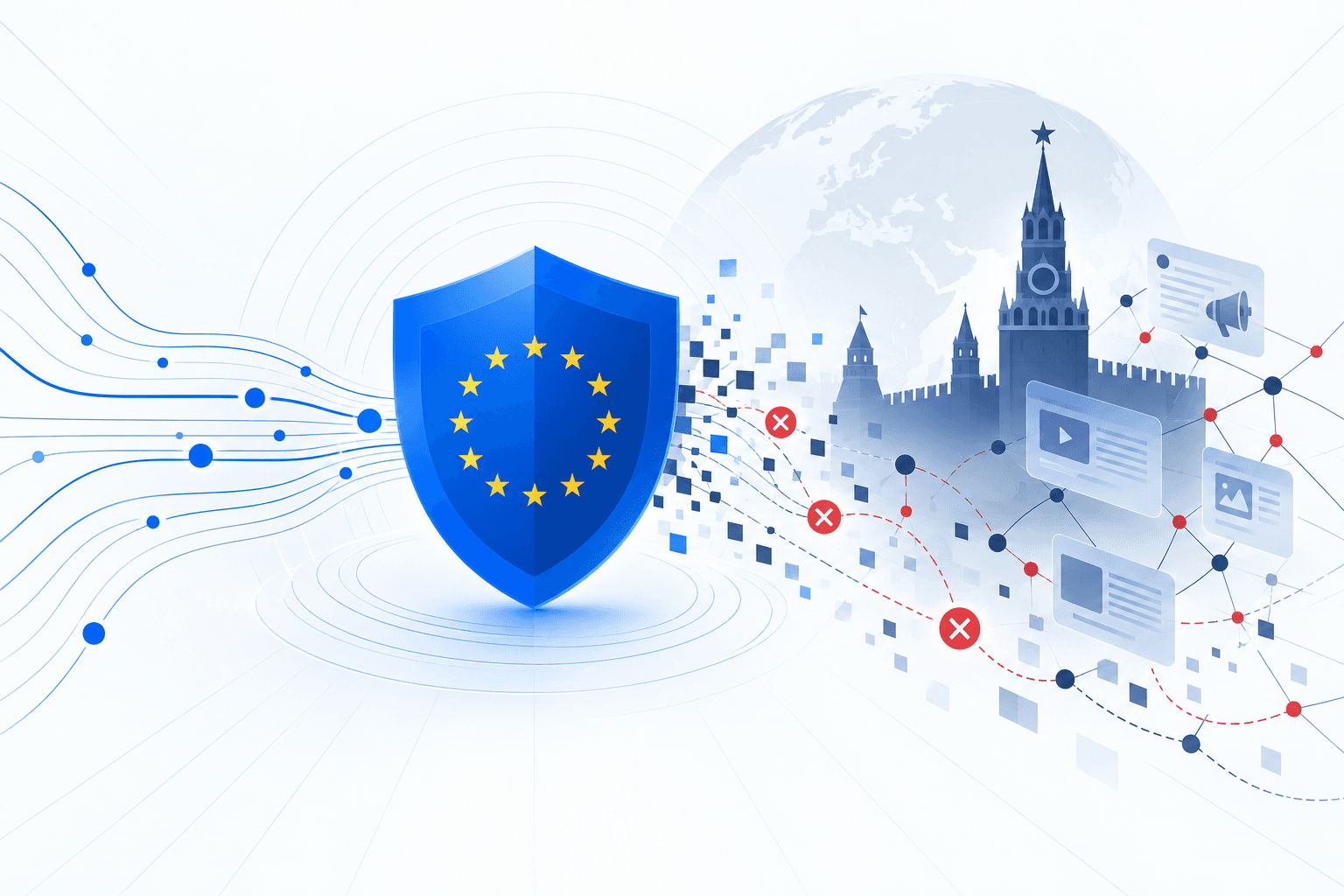
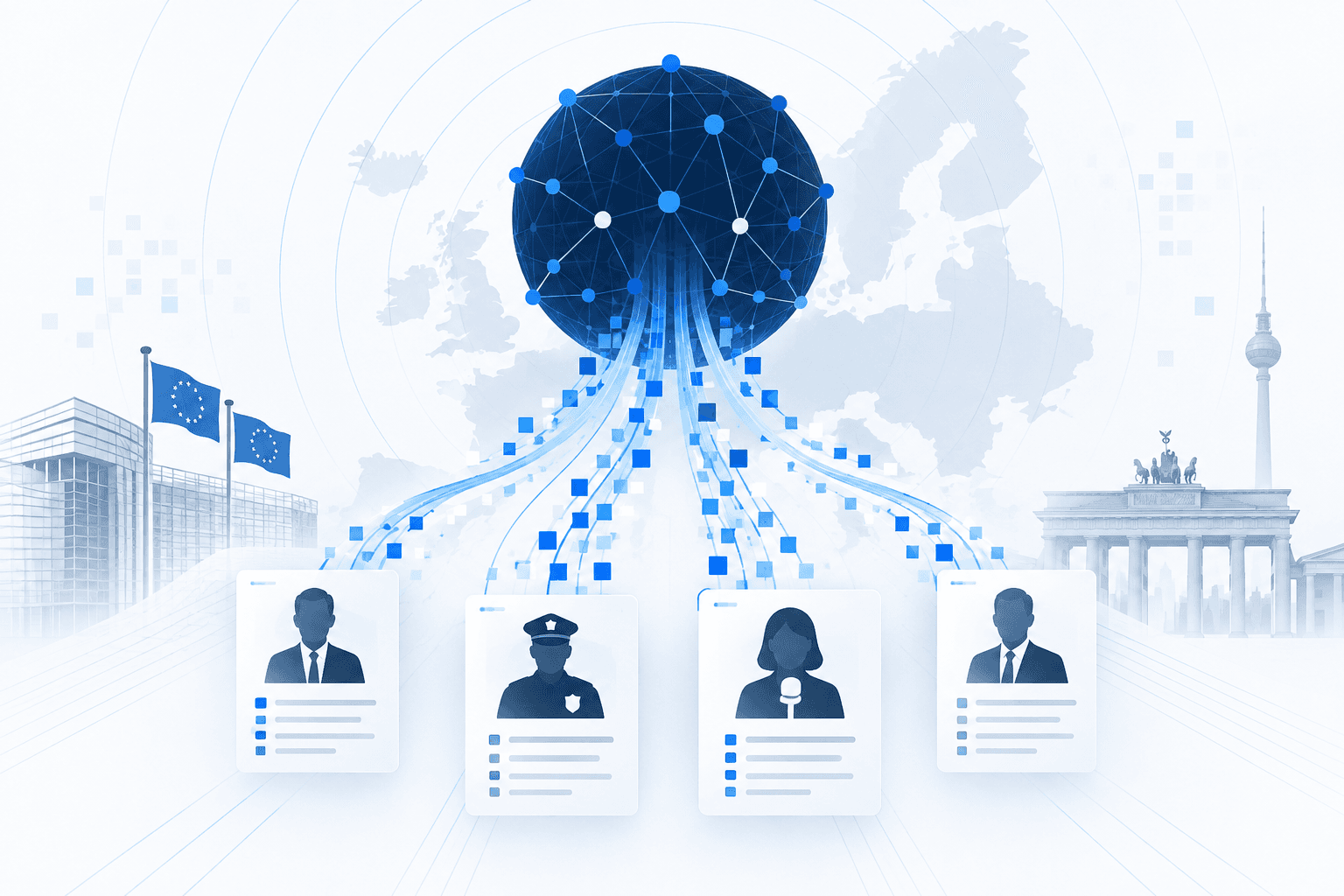
The Council of the European Union sanctioned pro-Russian hacking group NoName057(16) over denial-of-service attacks targeting critical infrastructure and election candidates. The group has claimed attacks against government bodies, infrastructure and private companies in Ukraine, the United States and EU member states. The measures include asset freezes and prohibitions on EU citizens and companies providing funds to sanctioned parties, alongside travel restrictions for sanctioned individuals. Researchers also linked the group to a campaign publishing senior European officials’ personal information on the dark web and offering cryptocurrency rewards for additional information about them and their families.
In a separate action targeting Russian destabilization activities, the EU sanctioned the Social Design Agency (SDA), 24 employees and six pro-Kremlin media figures. The Council accused the SDA, which operates the Doppelgänger disinformation campaign, of cloning news websites, creating Wikipedia-style platforms and staging physical provocations, including around the 2024 European Parliament elections. It alleged that major SDA foreign interference operations require approval from senior Kremlin official Sergey Kiriyenko. Attribution remains disputed for some attacks claimed by NoName057(16): several security experts believe Iranian actors were responsible for recent supermarket attacks the group claimed.
Why it matters
The EU sanctioned NoName057(16) and the Social Design Agency (SDA), alongside 30 individuals, over disruptive cyber activity and foreign information manipulation. The underlying activity threatens public-service availability, organizational reputation, election integrity and officials’ privacy; the sanctions add immediate counterparty-screening obligations but do not demonstrate that either operation has stopped. Sources describe historical attacks and continuing activity, rather than a newly disclosed software exploit; outage duration, financial losses and the extent of any operational-technology compromise are not established.
- Industry-specific impact: Yes. Reported targets include Energy, Industrials (transport, industrial organizations and postal services), Financials (banks and payment services), Utilities (water facilities), Government & Public Sector (government portals and election-related targets), and Military & Defense (military intelligence services). These are explicitly identified targets, not inferred exposure from product use. GovInfoSecurity
- Information Technology and Communication Services also face specific exposure: the supplied analysis identifies sanctions-compliance risks for hosting/cloud providers, domain registrars and advertising networks, while Doppelgänger impersonates news publishers. This is service-chain and brand-abuse exposure, not evidence that these providers were breached. Cyble
- Geography-specific impact: Yes. Reported NoName057(16) attack claims cover Ukraine and the United States; SDA influence operations specifically targeted Germany and France. These establish reported targeting, not independently verified success for every claim. Heise
- Italy and Germany have reported official-doxxing victims; Japan is identified in claimed 2024 website attacks, and Quebec, Canada, in a claimed municipal-utility OT attack. The latter claims do not establish successful operational disruption. GovInfoSecurity
- EU-wide impact includes election-related targeting and obligations prohibiting EU citizens and companies from directly or indirectly funding listed parties. No additional member states are inferred from this regional scope. Supermarket attack attribution and an alleged unsuccessful attack involving French blood-bank cooling systems remain disputed.