Trezor Confirms Recovery-Phrase-Stealing Implants in CryptoBilis-Sold Safe 5 Wallets
Emerging Technology Risk · 10 sources · Updated 10d ago · First seen Nov 13, 2026
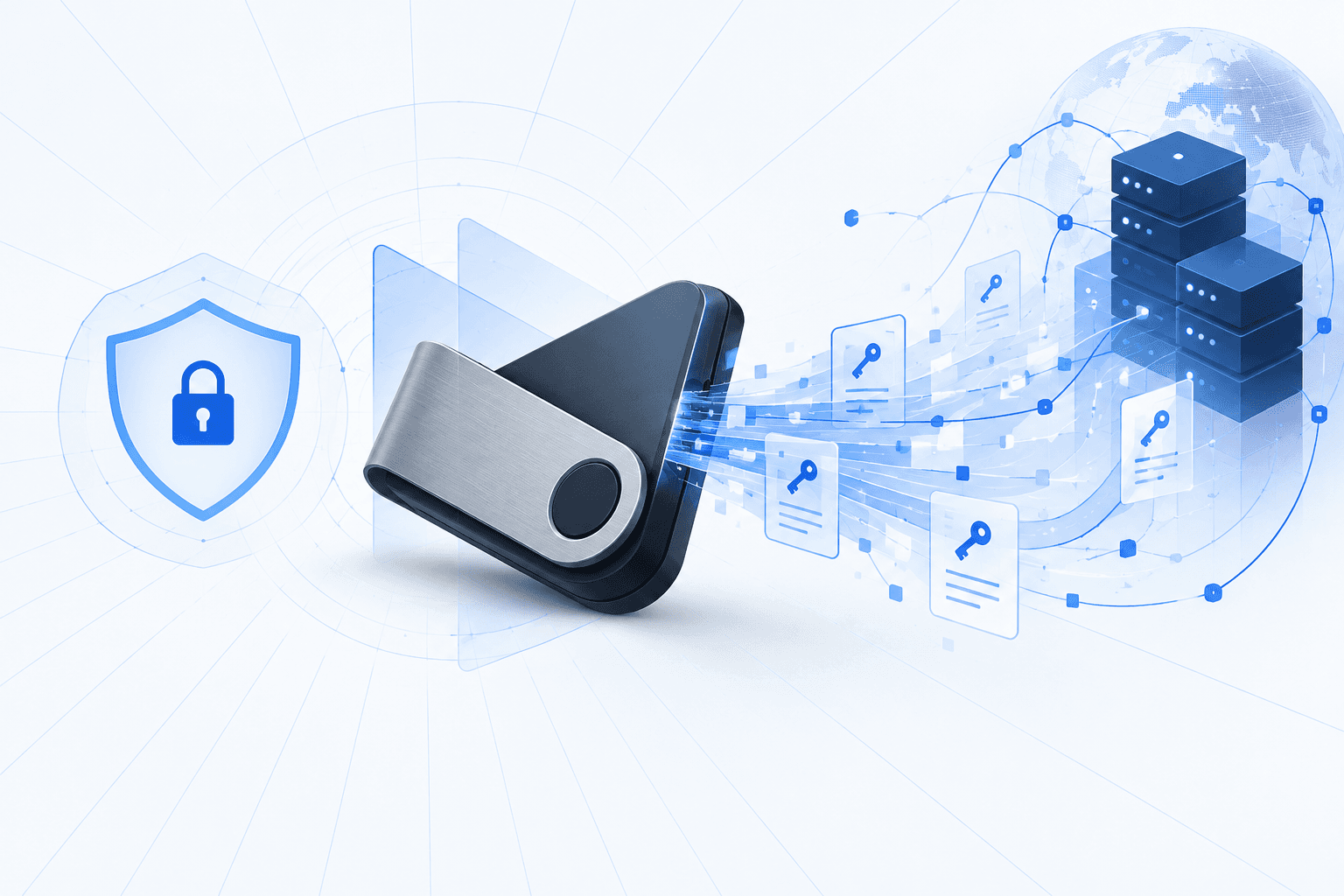
Trezor confirmed malicious hardware implants in three Safe 5 cryptocurrency wallets sold by CryptoBilis, a former authorized reseller in Southeast Asia. The devices, purchased between August 20 and September 23, 2026, intercepted screen activity to capture recovery phrases and displayed passphrases, then transmitted encrypted stolen data over cellular networks to attacker-controlled infrastructure. The implants operated without modifying legitimate firmware or the Secure Element. No fund losses have been reported by the three affected Trezor owners; Ledger separately confirmed similar implants and coordinated thefts affecting customers of the same reseller.
Trezor released firmware version 2.13.1 on November 11 to prevent the identified implants from capturing information, but the update cannot secure recovery phrases already exposed. Customers who purchased wallets from CryptoBilis since March 2026 should move funds to newly created wallets with new recovery phrases, rather than rely on the firmware update alone. Trezor is offering replacement devices for those purchases through its support team and has reduced its global reseller network by approximately 80%.
Why it matters
Trezor confirmed malicious hardware implants in three Safe 5 wallets sold through CryptoBilis, creating a risk of complete cryptocurrency loss if captured recovery phrases are used to access funds. None of the three owners reported losses, although related CryptoBilis-sold Ledger implants were linked to thefts; observed Trezor compromise remains limited to three devices purchased August 20–September 23, 2026, while precautionary remediation covers purchases since March 2026.
- Industry-specific impact: Information Technology is specifically affected through confirmed tampering with Trezor and Ledger hardware-wallet products and resulting supply-chain remediation. The evidence does not establish targeting of financial institutions or other industries merely because cryptocurrency is involved. Sources: Trezor, The Hacker News.
- Geography-specific impact: Indonesia has an observed affected customer: the initially examined Safe 5 was purchased by an Indonesian customer through CryptoBilis’s Tokopedia store. CryptoBilis operated across Southeast Asia, but its Malaysian and Philippine operations alone do not establish compromised customers in those countries. Sources: Xakep, BreachNews.
- Scope and uncertainty: Forty-eight CryptoBilis customers contacted Trezor; this is not a confirmed-compromise count or a basis for estimating prevalence. No implants were identified in other Trezor models or other resellers’ devices examined, and neither the installer nor the tampering location has been established.