Reported Ledger Wallet Implants Steal Recovery Phrases Despite Genuine Checks
Emerging Technology Risk · 5 sources · Updated 1mo ago · First seen Oct 20, 2026
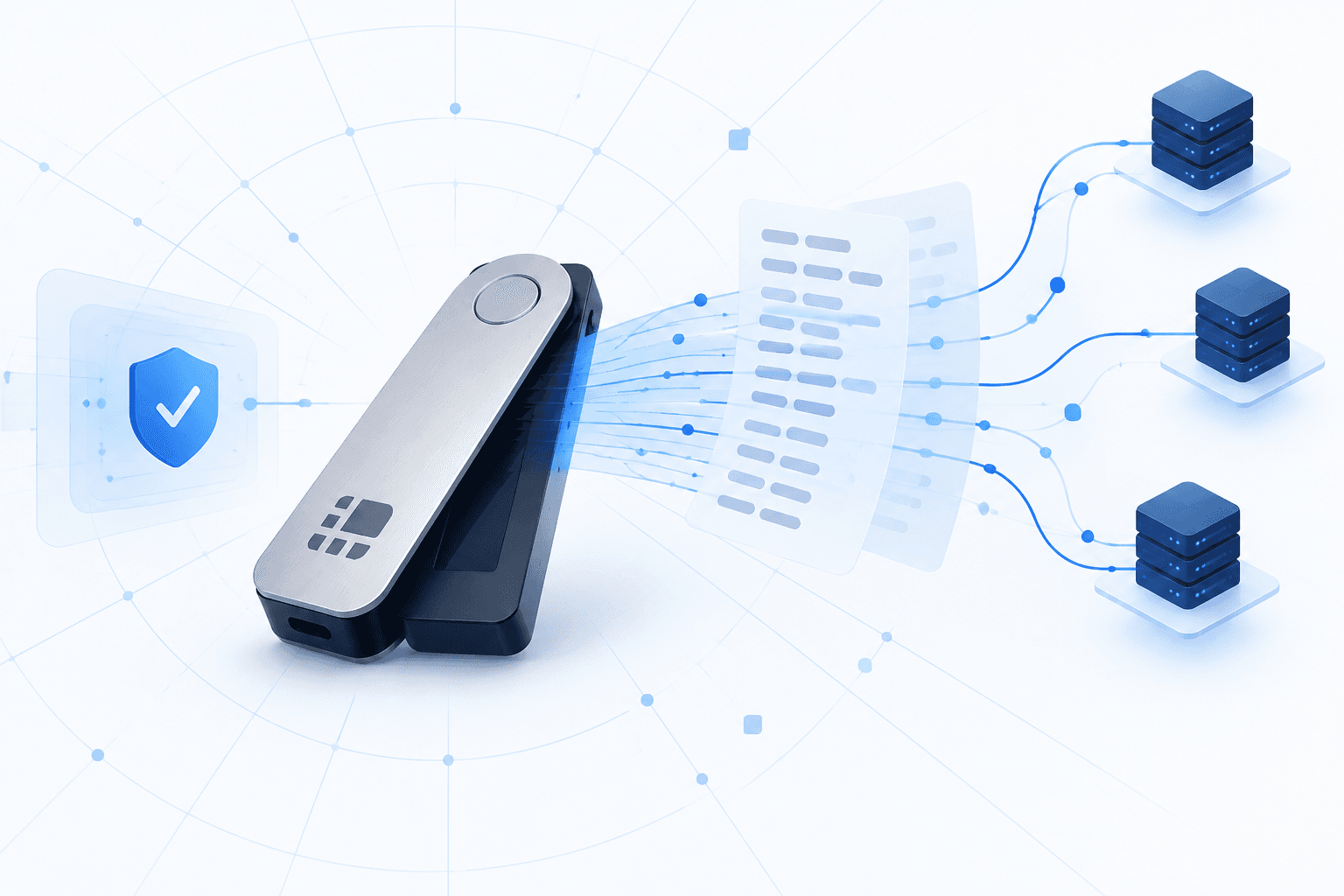
Physically modified Ledger hardware wallets reportedly captured 24-word recovery phrases during initialization and transmitted them through independent cellular modems. BreachNews reported that Ledger confirmed the implants and linked theft reports under investigation to devices sold through Southeast Asian reseller CryptoBilis, requesting sales suspensions. The implants monitored display communications without altering the Secure Element or operating system, allowing affected wallets to pass Ledger’s Genuine Check. Ledger’s published threat model explicitly documents this limitation: cryptographic attestation authenticates the Secure Element but cannot detect unauthorized physical additions when that component remains intact.
Independent reports estimated losses exceeding $90 million, with a Medium account citing approximately $102 million across 315 drained accounts; Ledger had not confirmed those totals, the tampering location, perpetrators, or full distribution scope. The Medium report also described multiple implant generations and separately modified Trezor wallets, but those details lack independent corroboration in the supplied reporting. Affected customers were advised not to initialize unused suspect devices and to transfer existing assets to trusted hardware initialized with a newly generated recovery phrase. For organizations holding cryptocurrency, the reported attack underscores that successful device attestation does not establish the integrity of the entire hardware supply chain.
Why it matters
Reported physical implants in genuine Ledger wallets expose cryptocurrency holders and organizational custody operations to complete loss of assets controlled by captured recovery phrases, despite successful device-authenticity checks. BreachNews reports that Ledger linked confirmed theft cases under investigation to CryptoBilis-sold devices; the full distribution scope, perpetrators, victim count, and aggregate losses remain unconfirmed.
- Affected populations: Customers using potentially tampered hardware wallets, especially devices sourced through CryptoBilis and third-party marketplaces. Nano X devices feature in reported examinations; no complete affected-model, serial-number, or shipment list is supplied.
- Business exposure: A stolen recovery phrase permits wallet recreation and asset theft without possession of the original device, its PIN, or access to the owner’s computer. Continued deposits into compromised wallets remain exposed.
- Geographic scope: Reporting includes devices obtained in Southeast Asia, Japan, and Germany. These findings do not establish that every seller or examined device was involved in confirmed thefts.
- Loss estimates: Independent reports cite more than $90 million; Medium cites approximately $102 million across 315 accounts. Ledger has not confirmed these figures, and suspicious blockchain transfers alone do not establish implant-related theft.
- Trust boundary: This is reported physical supply-chain tampering, not an established compromise of Ledger’s internal systems, Secure Element, or firmware.