Mallory
← Back to News
ai-enabled-threat-activityai-platform-securityinformation-technology-sector-threatgovernment-diplomatic-threat

AI Coding Tools Become Attack Targets as Threat Actors Automate Established Techniques

Emerging Technology Risk · 4 sources · Updated 16d ago · First seen Nov 11, 2026
AI Coding Tools Become Attack Targets as Threat Actors Automate Established Techniques

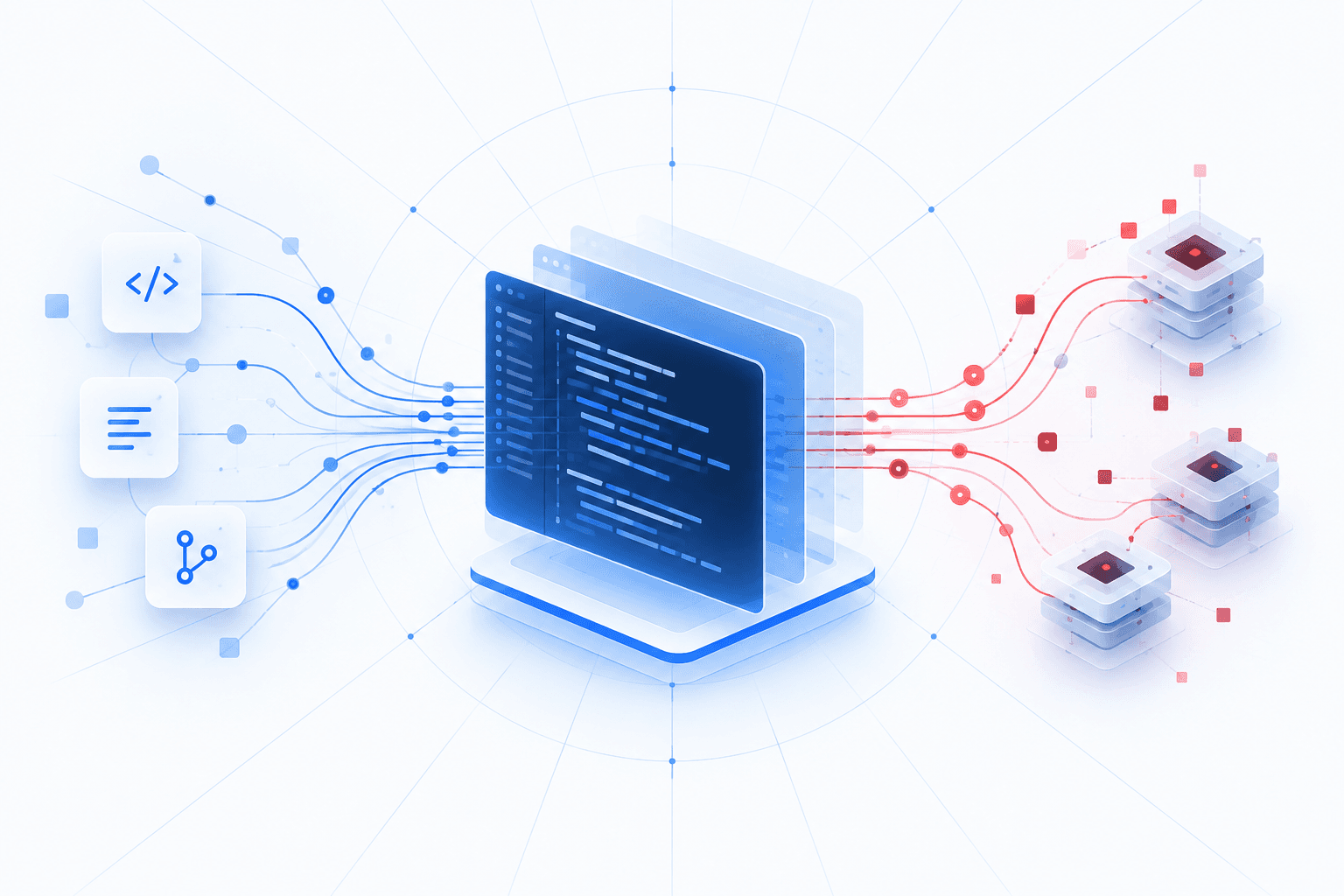
Recorded Future analyzed 103 AI-enabled incidents between July 31, 2025, and July 31, 2026, finding that attackers primarily use AI to accelerate established techniques, including supply-chain compromise, phishing, and extortion. AI coding assistants and proxy packages are also prominent targets because their privileged access to credentials and source code can enable credential theft and downstream lateral movement. Most state-sponsored activity involved AI-assisted malware development, although one campaign targeting Taiwanese government entities reportedly used up to eight AI agents with limited human intervention. Fully autonomous attacks remain rare.

The report assesses that human-directed agents will scale before fully autonomous campaigns, initially automating bounded tasks such as reconnaissance, credential discovery, and vulnerability validation. It forecasts growing illicit markets for commercial AI access, increased demand for stolen data, and higher volumes of low-level intrusion attempts using legitimate tools and living-off-the-land techniques. Recommended defenses include restricting agent permissions, requiring human approval for consequential actions, monitoring exposed credentials, and auditing third-party AI dependencies. A hypothetical supply-chain scenario—not a confirmed incident—illustrates how exposed deployment tokens could let attackers backdoor an AI application's software update and compromise customer environments.

Why it matters

Recorded Future analyzed 103 documented AI-linked incidents from July 31, 2025, through July 31, 2026, finding primarily AI-enhanced supply-chain attacks, phishing, credential theft, and extortion—not 103 autonomous attacks or confirmed AI-provider breaches. Observed compromises of AI development packages enabled credential theft, data theft, lateral movement, and persistence, creating potentially significant downstream exposure for organizations using connected development tools. Fully autonomous attacks remain rare; the forecast of broader automation and the illustrative scenario affecting thousands of customers should not be treated as confirmed incidents.

  • Industry-specific impact: Government & Public Sector is supported by a reported campaign targeting Taiwanese government entities. Broader exposure concerns users of AI development tools across sectors; additional industry-specific impact is not established. Source
  • Geography-specific impact: Taiwan is supported by that campaign’s explicit targeting of Taiwanese government entities. This establishes targeting, not confirmed compromise of every intended victim; no other country-specific impact is established. Source
  • Business consequences: Compromised development tools can expose source repositories, business data, credentials, and connected applications. Extortion and unauthorized cryptocurrency-wallet access were also described, but aggregate losses and victim counts were not supplied.
New surface, new adversariesTrack how attackers are adapting to this technology.
Track this risk
Event timeline

How this story unfolded

Events from the most recent confirmed update back to the earliest known activity.

4 events · Feb 2026 – May 2026
  1. Reported Nov 11, 202617d ago

    Recorded Future analyzes 103 AI-enabled incidents

    Recorded Future analyzed 103 AI-enabled incidents occurring between July 31, 2025, and July 31, 2026, finding that AI primarily accelerated established attack techniques while full automation remained rare. The report forecast that human-directed agentic operations would scale before fully autonomous cyber campaigns.

    AI Is Both Target and Tool for Threat Actors - Malware Analysis - Malware Analysis, News and Indicators
  2. Reported Nov 11, 202617d ago

    Campaign against Taiwanese government entities uses up to eight AI agents

    A campaign targeting Taiwanese government entities reportedly employed up to eight AI agents with limited human intervention. The source does not specify when the campaign occurred.

    AI Is Both Target and Tool for Threat Actors - Malware Analysis - Malware Analysis, News and Indicators
  3. May 2026

    Shai-Hulud worm expands to target Claude Code

    Recorded Future described a May 2026 expansion of the Shai-Hulud worm that targeted Claude Code to maintain access and spread.

    Hackers Target AI Coding Tools to Steal Credentials as Researchers Uncover 103 AI-Linked Cyber Incidents
  4. Feb 2026

    Attackers compromise AI proxy package to steal credentials and establish backdoors

    In late February 2026, attackers compromised an unnamed popular AI proxy package connecting applications to multiple large language models. Malicious updates enabled credential theft, lateral movement, and persistent backdoor access.

    Hackers Target AI Coding Tools to Steal Credentials as Researchers Uncover 103 AI-Linked Cyber Incidents | Cryptika Cybersecurity
Linked entities

Related entities

Vulnerabilities, threat actors, malware, products, organizations, and breaches Mallory has linked to this story.

Open in app →

Affected products

1 linked
Claude Code
Do you run this?Follow how adversaries are adapting to this technology, and where it touches your stack today.
Track This Risk
Mallory platform

See the full picture, correlated to your attack surface.

This page covers what’s public. Mallory adds the parts that aren’t: which of your assets are affected, which threat actors are using it right now, and what to deploy next.

Exposure mappingMap indicators from this story to your assets and identify affected systems in minutes.
Threat actor evidenceEvery observed campaign, victim, and pivot linked to actors named in this story.
Associated malwareMalware, exploits, and IOCs connected to the activity described here.
Detection signaturesYARA, Sigma, and Snort rules deployed to your SIEM as soon as they’re published.
Scheduled alertsGet matching new stories delivered to your team as they break, not the next morning.
AI threadsAsk questions about this story and take action on the answers.