CyberStrikeAI Uses 44 AI Agents in Hacking Campaign Targeting Japan
Emerging Technology Risk · 8 sources · Updated 26d ago · First seen Oct 27, 2026
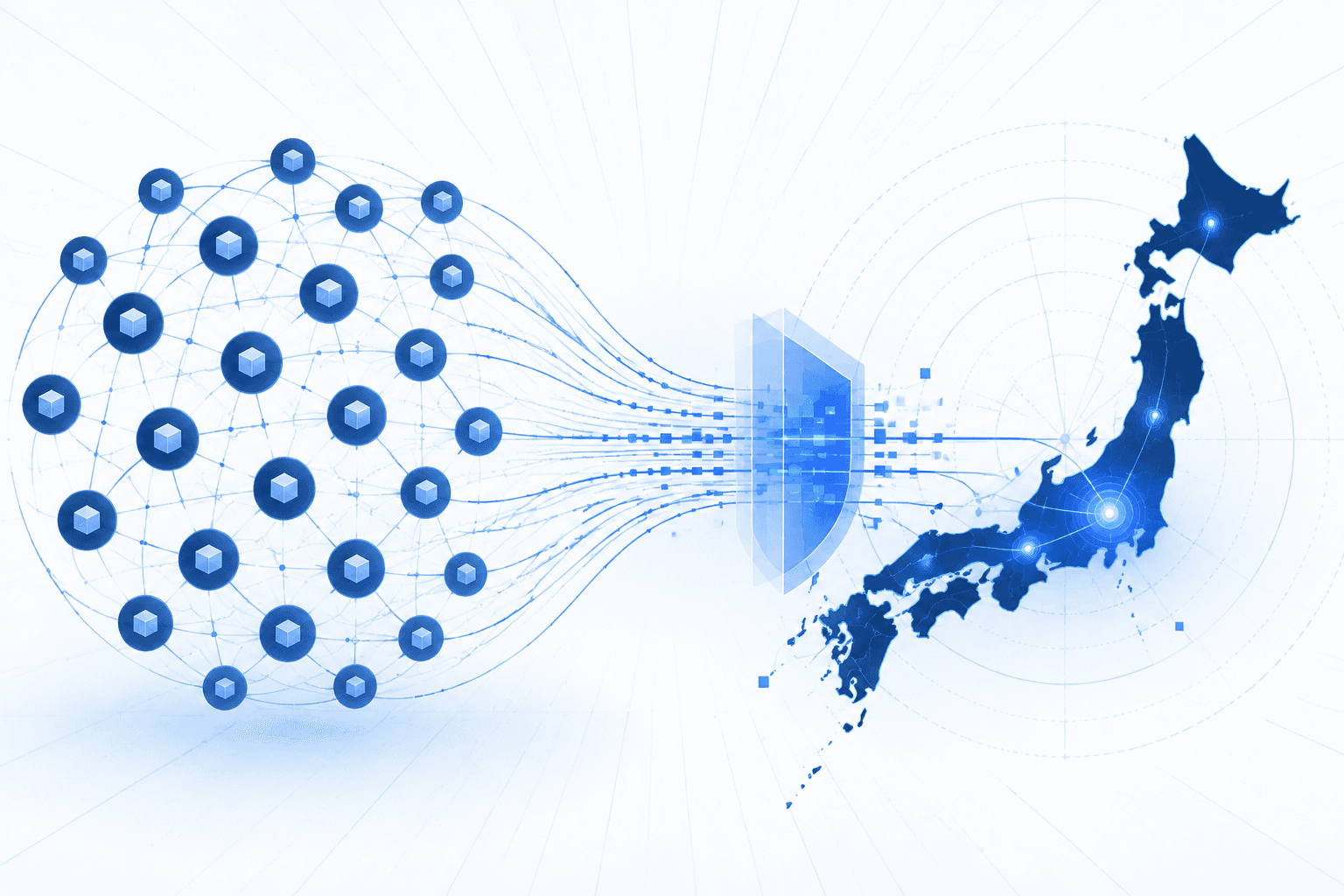
TrendAI researchers analyzed three exposed attacker environments linked to separate AI-assisted campaigns targeting organizations in Japan and elsewhere in 2026. One campaign used CyberStrikeAI in a workflow involving 44 AI agents, while the others remained human-led and used AI for planning, tool development, and scripting. Attackers exploited default credentials, exposed services, published vulnerabilities, and credentials stored in configuration files to steal data and establish access. Researchers found no evidence that the campaigns shared an operator, and the underlying AI models remain unidentified.
The findings highlight AI’s role in accelerating and scaling established intrusion techniques rather than introducing fundamentally new exploitation methods. The reporting also describes broader adoption of agentic AI for credential attacks, ransomware intrusions, cryptocurrency mining, and autonomous exploitation. For defenders, the immediate priorities remain eliminating default credentials, restricting exposed services, patching known vulnerabilities, and removing secrets from configuration files. Security teams should also assess whether detection and response processes can keep pace with faster, automated attack workflows.
Why it matters
Three distinct attacker environments show AI accelerating established intrusion methods against organizations primarily in Japan, with additional international targeting. Observed consequences included persistent access and theft of hundreds of thousands of cadastral and commercial records in the human-led operation; the 44-agent CyberStrikeAI operation showed deep compromise at only a small proportion of targets. Researchers relied on attacker-side artifacts without victim telemetry, limiting verification of claimed successes and total damage.
- Industry-specific impact is not established. The three investigations describe cross-sector targeting, exposed AI/GPU services, and a compromised geographic information system, but do not identify victims’ industries sufficiently to support sector classifications. Separate campaigns discussed as broader context are not attributed to these operators. Source
- Geography-specific impact is established as targeting, not confirmed compromise in every location. Case A targeted at least 19 organizations, including 16 in Japan and additional organizations in Taiwan and Hong Kong. Case C primarily targeted Japan and South Korea; discovery lists also included the United Kingdom, France, Italy, Qatar, and Colombia. Case A evidence · Case C evidence
- Operational stakes include credential exposure, internal-network access, backdoor restoration, data theft, and unauthorized consumption of AI compute. These were real intrusion operations, but neither AI autonomy nor successful exploitation was established equally across all three cases.