Volt Typhoon Used Silent Train Network to Evade Disruption and Target U.S. Infrastructure
Malware Intelligence · 19 sources · Updated 26d ago · First seen Oct 28, 2026
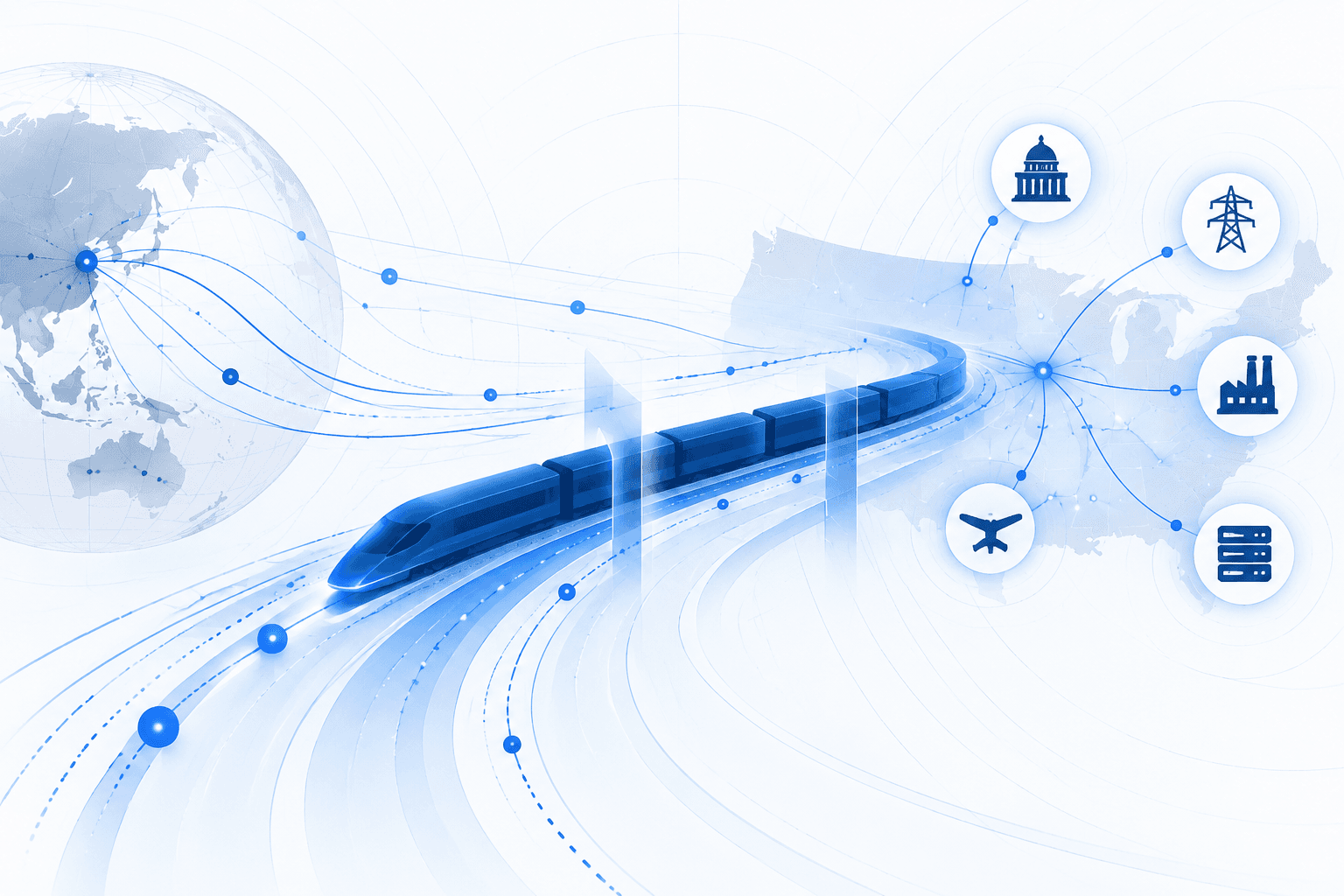
China-linked Volt Typhoon used a covert network dubbed Silent Train to sustain a three-year campaign against U.S. government agencies, defense contractors, telecommunications providers, universities, technology firms and critical infrastructure, according to Lumen Technologies’ Black Lotus Labs. Operating since late 2023, the network chained compromised routers, IoT devices and enterprise networking equipment to conceal attack origins and support targeting and confirmed compromises. The campaign continued despite the FBI’s December 2023 disruption of the group’s separate KV Botnet infrastructure. Lumen notified hundreds of victims across affected sectors.
Silent Train rapidly assembled and dismantled connection paths, with infrastructure chains rebuilt in under two minutes and sessions averaging roughly four hours. Extensive cleanup and compartmentalization limited visibility and made the operation resistant to a single network takedown. Targeting concentrated in Hawaii, California and Texas, which Lumen assessed as positioning for potential disruption of defense and infrastructure networks connected to the Indo-Pacific—not evidence that such disruption had occurred. Attackers also targeted enterprise management platforms. Some compromised devices had no known vulnerabilities, raising concerns about previously undiscovered exploits, although their use was not established.
Why it matters
Impact assessment
Volt Typhoon used Silent Train to conceal targeted intrusions into strategically important U.S. organizations, with Black Lotus Labs issuing hundreds of victim notifications over approximately three years. Confirmed exploitation of centralized management platforms enabled credential theft, data theft and sustained administrative access, creating potential exposure across downstream customer environments. The activity presents a serious espionage and operational-continuity risk, but the supplied reporting does not establish that anticipated infrastructure disruption occurred or quantify financial losses.
- Industry-specific impact: Yes. Black Lotus Labs identifies victims in Energy (energy infrastructure), Industrials (rail, maritime, aviation and transportation), Information Technology (managed service providers and IT companies), Communication Services (telecommunications and satellite communications), Utilities (water infrastructure), Government & Public Sector (government networks and emergency services), and Military & Defense (defense contractors and military-linked communications). Military-affiliated universities were also affected; their presence does not establish a separate industry classification. These are reported victim sectors, not classifications inferred from product use. Source: Black Lotus Labs.
- Geography-specific impact: Yes—United States. Black Lotus Labs reports targeting of U.S. organizations, repeatedly concentrated in Hawaii, California and Texas. The association with Indo-Pacific crisis planning is an analytical assessment, not evidence of affected populations elsewhere or proof of the reason for the concentration. Source: Black Lotus Labs.
- Scope: Strategically targeted rather than indiscriminate; individual sessions generally addressed one to five victims. Compromised management systems could expose many downstream devices or customers, and ephemeral infrastructure limits measurement of the campaign's full extent.
- Observed versus potential harm: Exploitation, credential harvesting, webshell deployment and evidence removal were observed. Disruption of essential services remains a potential consequence; relay takedowns alone do not remove stolen credentials or established victim access.