TeamViewer Patches Remote Code Execution and macOS Root Escalation Flaws
Vulnerability Disclosure · 24 sources · Updated 26d ago · First seen Oct 28, 2026
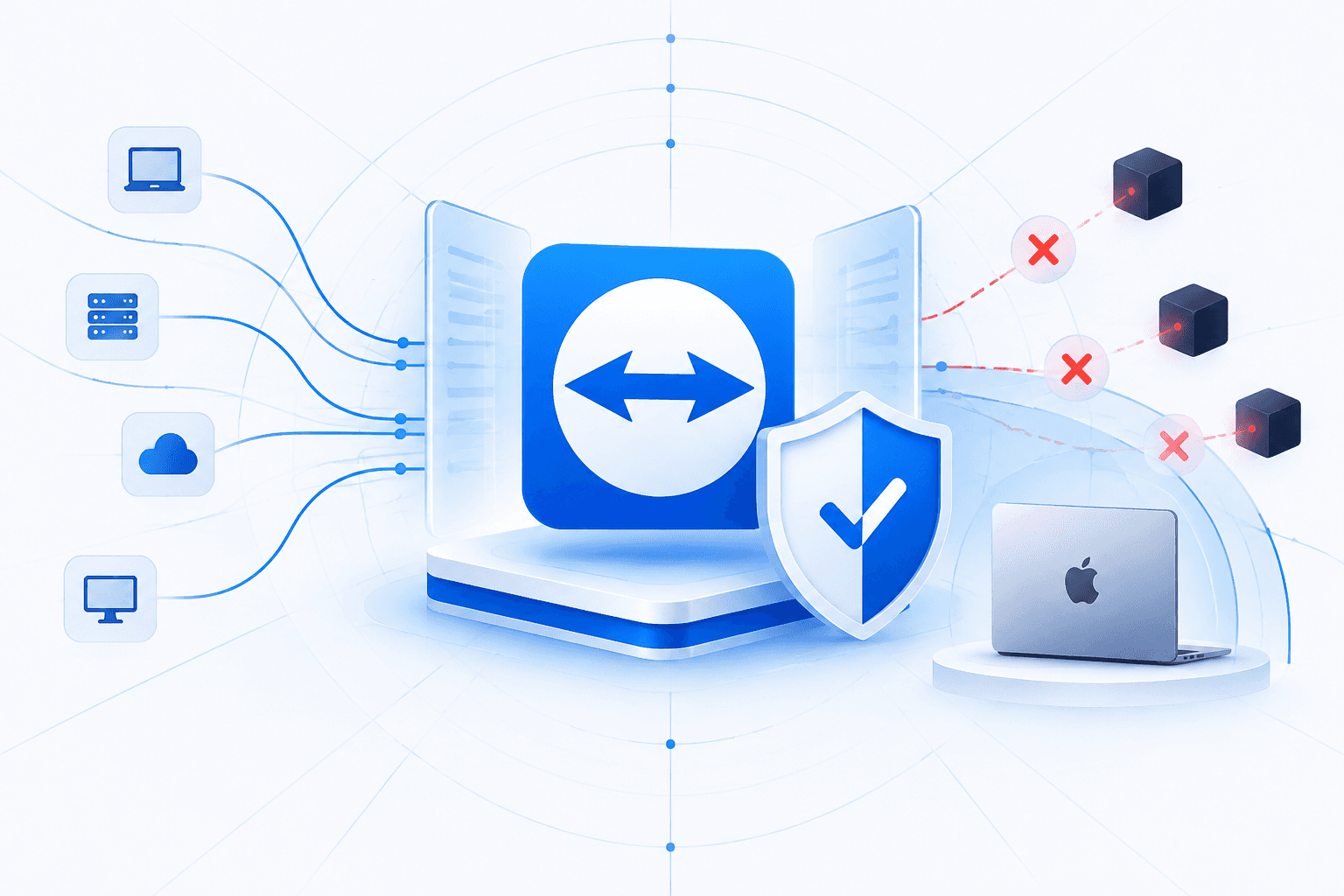
TeamViewer released security bulletin TV-2026-1011 addressing three high-severity vulnerabilities in client components used with TeamViewer Remote, Tensor, and ONE. CVE-2026-92372 and CVE-2026-111585, both rated CVSS 8.8, involve screen-processing memory corruption that could enable code execution through malicious remote sessions. CVE-2026-92372 affects Linux and macOS, requires user interaction, and can also be triggered by a malicious session recording. CVE-2026-111585 can cause crashes or potentially arbitrary code execution when a user connects to an attacker-controlled or compromised host. CVE-2026-92374, rated CVSS 7.8, allows a low-privileged local attacker to gain root privileges through insecure installer-package handling in the macOS privileged helper.
TeamViewer recommends promptly installing version 15.83 or the latest available release, with fixes also available for specified legacy branches. The Canadian Centre for Cyber Security separately issued advisory AV26-1093 covering TeamViewer Full Client and Host for Windows, Linux, and macOS, Portable for Windows, and the Remote Control App for Android; reported affected versions include desktop releases before 15.83 and Android releases before 15.8.3. Administrators should inventory these clients and apply the appropriate vendor updates, including legacy-branch fixes where needed. TeamViewer reported no known active exploitation when it published the bulletin.
Why it matters
Summary
TeamViewer client components used with Remote, Tensor, and ONE contain three high-severity vulnerabilities that expose connecting support technicians and other users to application crashes, potential code execution, or local privilege escalation to root on macOS. Exposure spans multiple platforms and legacy branches, but requires a hostile remote session, malicious recording, or existing local access; TeamViewer reported no known active exploitation when it published TV-2026-1011.
- Business impact: Compromise of a support workstation could expose accessible credentials, sensitive information, and administrative workflows. These are potential consequences, not reported incidents; remote-screen exploitation runs with the viewer process’s permissions and does not automatically provide SYSTEM or root access.
- Industry-specific impact is not established. The references identify support technicians, IT departments, and general TeamViewer users, but do not identify affected organizations or targeting within a particular industry. IT support is a cross-sector function, not evidence of Information Technology sector-specific impact.
- Geography-specific impact is not established. The national CERT advisories provide patch guidance, not evidence of affected populations, geographic targeting, or jurisdiction-specific obligations. Their publication locations and TeamViewer’s headquarters do not establish affected countries.