Node2Shell Brotli Flaw Enables Node.js Code Execution and Exposes Other Software
Vulnerability Disclosure · 195 sources · Updated 26d ago · First seen Oct 21, 2026
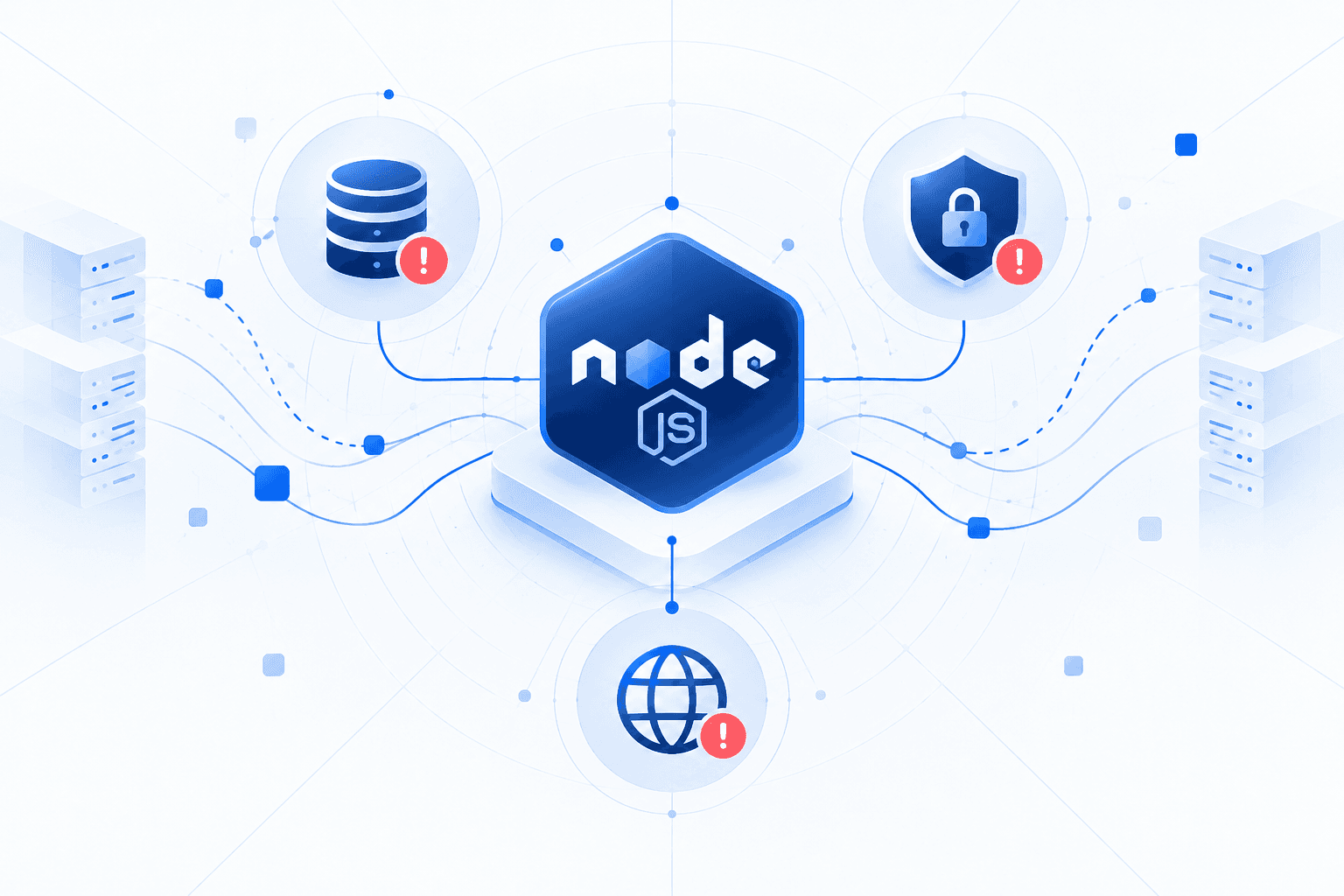
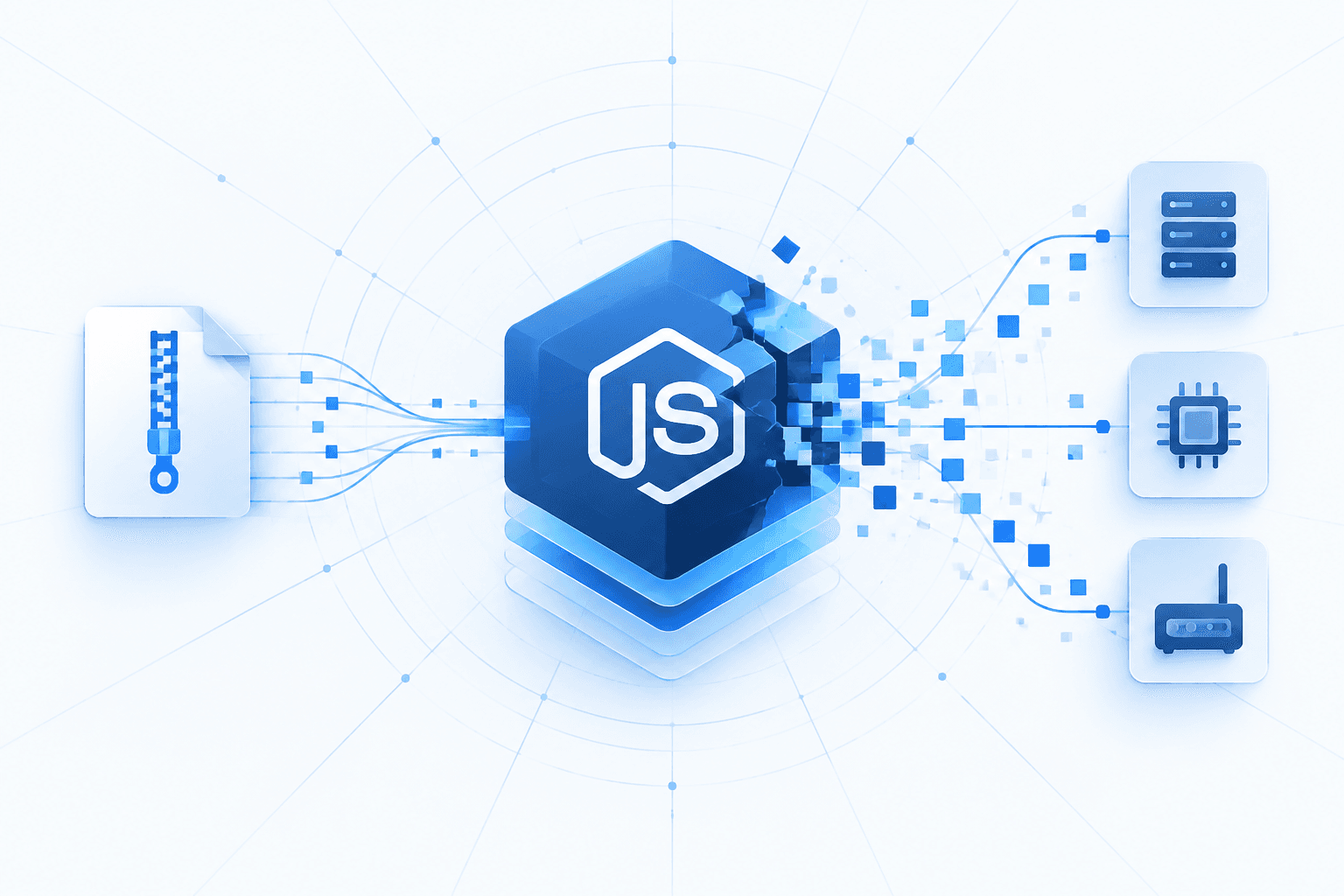
A high-severity vulnerability in Google’s Brotli decoder, CVE-2026-111497, has prompted security updates across Node.js and other software that embeds the library. Dubbed Node2Shell, the out-of-bounds write can cause crashes, process-memory disclosure, or potentially remote code execution when applications decompress attacker-controlled data. Exposure includes compressed request bodies, automatically decoded outbound HTTP responses, and direct decompression operations—not every application using an affected runtime is exploitable. Imperva demonstrated intermittent code execution against the official Node.js 24.22.0 Linux ARM64 image; exploitation required multiple attempts and was not established across other architectures or all affected versions. No in-the-wild exploitation had been reported in the supplied coverage. The shared decoder also affects Bun, Python’s Brotli and brotlicffi packages, and downstream products including Envoy and Istio, although Python testing did not demonstrate memory corruption or code execution.
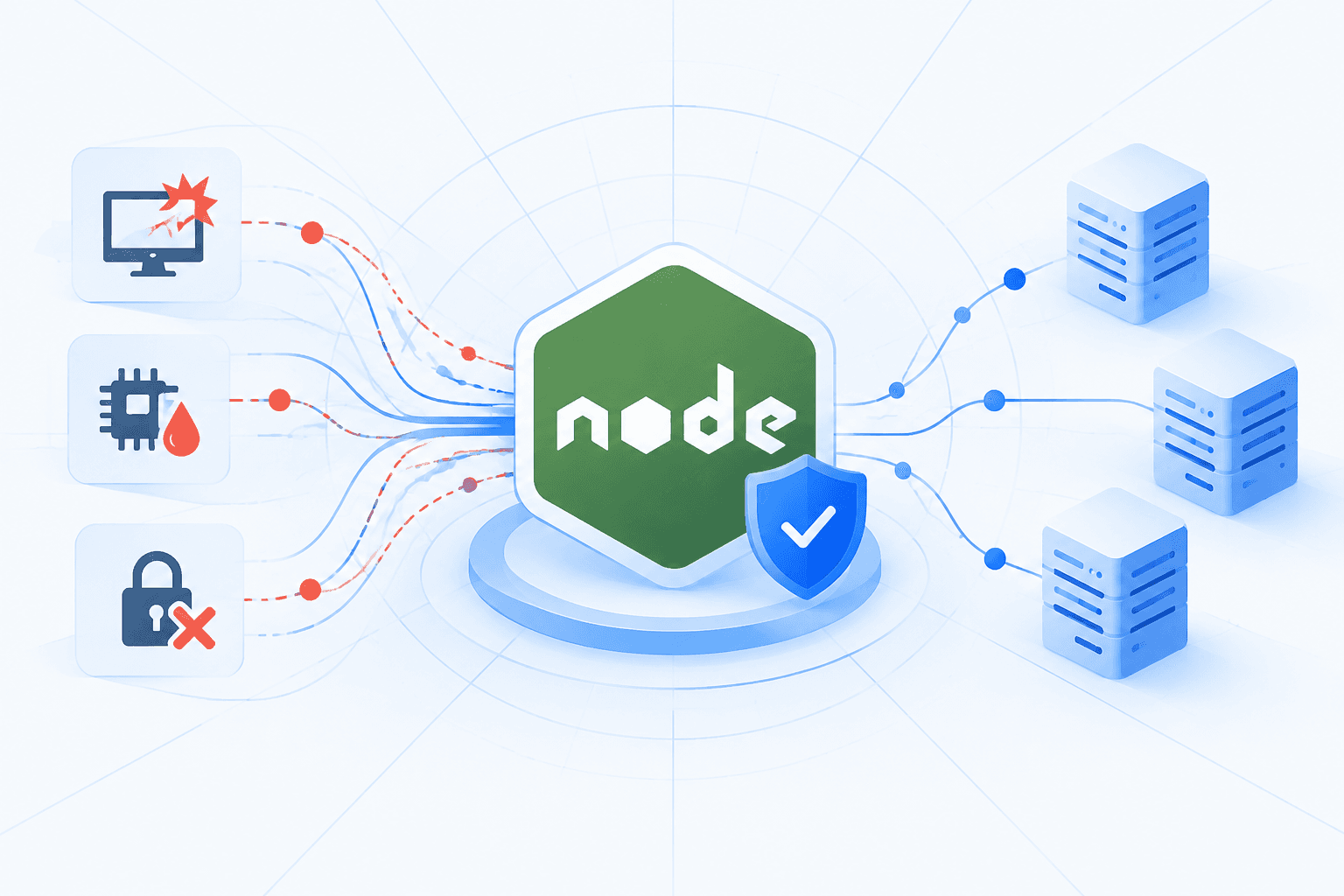
Organizations should prioritize services that decode untrusted network traffic and upgrade to Node.js 22.23.4, 24.22.1, or 26.12.1, or later fixed releases; unsupported branches require migration. These Node.js releases also address TLS validation, DNS input handling, cryptographic randomness, and other security issues. Bun users should upgrade to 1.4.4 or later; Python package fixes include Brotli 1.2.1 and brotlicffi 1.2.1.0. Separately bundled or statically linked Brotli copies require their own updates, so patching Node.js alone does not resolve every exposure. Rebuild and redeploy containers, executables, and affected artifacts, restart processes, and verify deployed versions. Blocking inbound Brotli requests provides only partial protection because applications may also decode malicious responses from external servers. Where updates are unavailable, restrict untrusted Brotli decoding and monitor for decoding errors, crashes, and suspicious process activity.
Why it matters
CVE-2026-111497 exposes applications that decompress attacker-controlled Brotli data to service crashes, sensitive-memory disclosure, and potentially code execution with the application's privileges; exposure extends beyond Node.js to embedded decoders in other runtimes, proxies, and file-processing tools. Later references supersede the story description's no-exploitation statement: CISA added the flaw to KEV on October 27, and researchers recorded exploitation attempts, although the supplied evidence identifies no successfully compromised victim and one intercepted payload produced crashes rather than shells. Potential exposure is widespread, but an installed vulnerable component does not establish an attacker-reachable decoding path or reliable code execution.
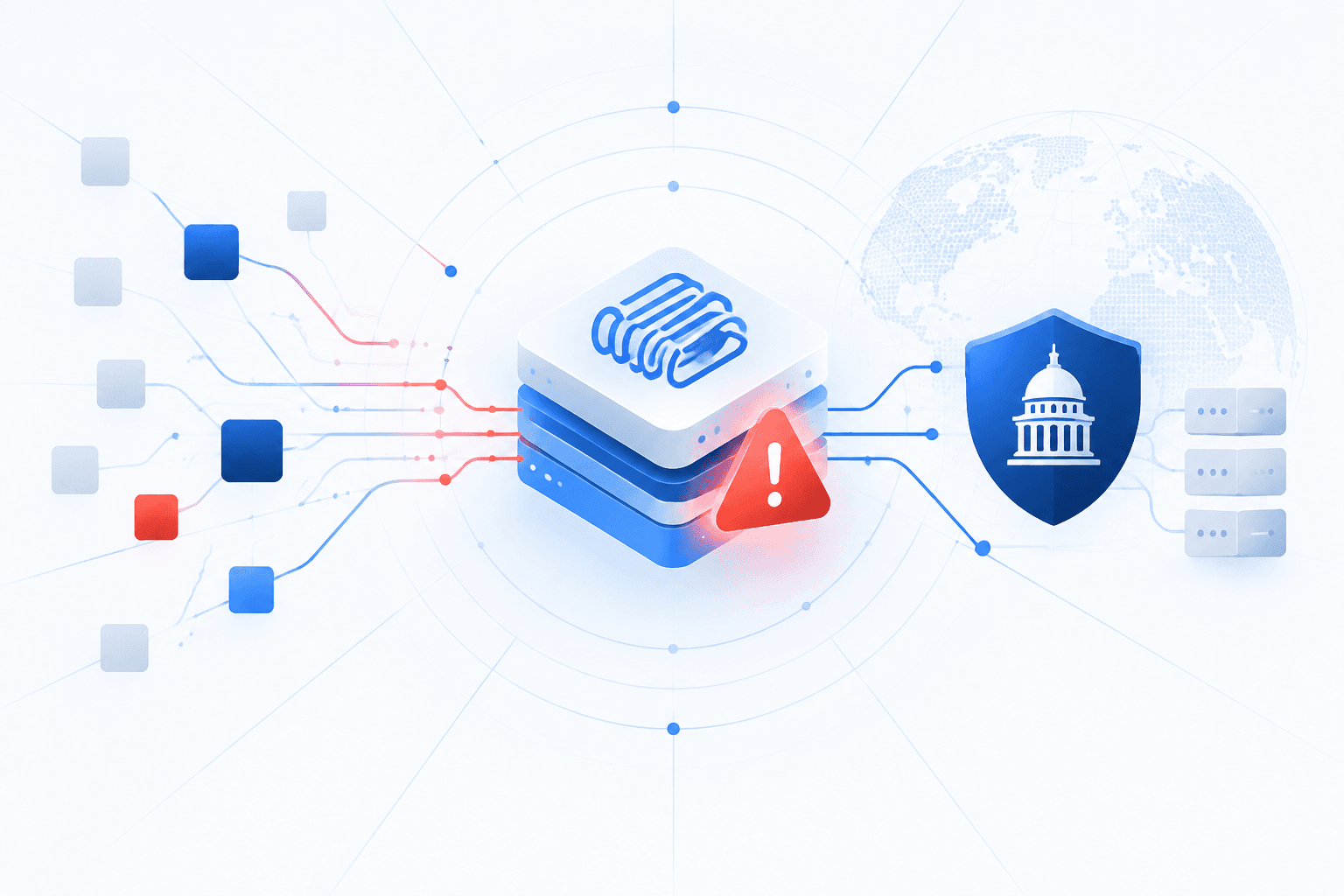
- Industry-specific impact: Government & Public Sector is specifically affected through remediation obligations for covered U.S. federal civilian agencies, with a November 10, 2026 deadline. This is an obligation, not evidence of government compromise; no other industry-specific targeting or victim impact is established. Sources: CISA catalog update, SecurityWeek.
- Geography-specific impact: The United States is specifically affected through those federal remediation obligations. The supplied content does not establish geographic targeting or victim locations elsewhere; national advisory publication and attacker-IP geolocation do not establish affected populations.
- Operational stakes: Failed exploitation can terminate workers or interrupt queries; successful execution inherits service-account permissions. Crash dumps can retain tokens, cookies, and cryptographic material. Reported cloud prevalence figures describe sampled component presence, not the proportion of remotely exploitable or compromised environments.