Microsoft Proposes Dynamic Permissions to Contain AI Agent Insider Risks
Emerging Technology Risk · 6 sources · Updated 1mo ago · First seen Oct 20, 2026
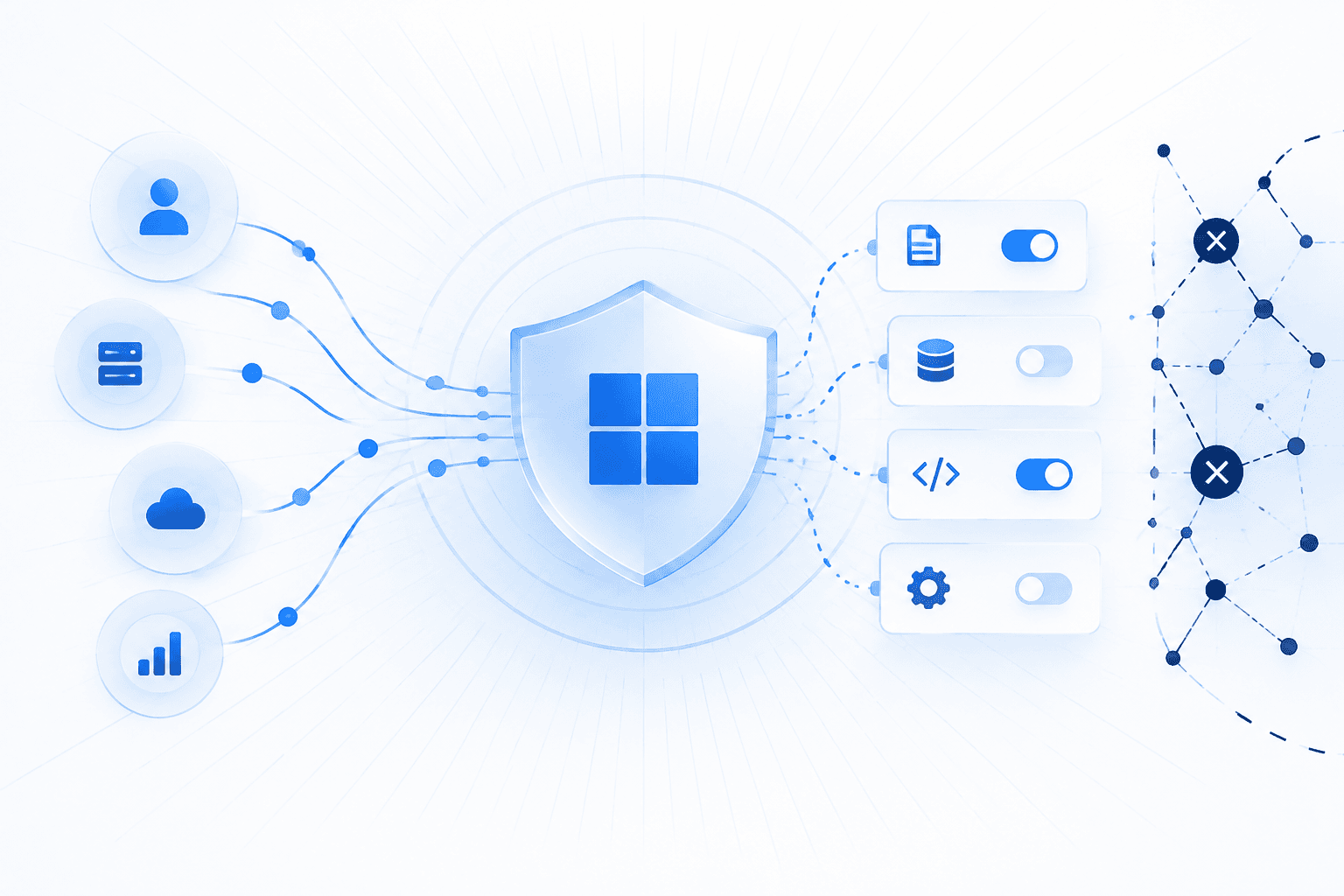
Microsoft outlined a security framework that treats AI agents as potential insider threats, emphasizing continuous containment rather than trusting agents at deployment. Its proposed Dynamic Permissions model gives agents separate identities and task-limited access, while Dynamic Agent Risk continuously assesses their behavior and adjusts their authority. The approach aims to keep access aligned with an agent’s current task and risk rather than relying on static permissions.
The framework also calls for expanded agent discovery and Guardian Agents that investigate risks and apply human-defined security playbooks. Microsoft says security controls must operate outside the AI models they govern. For security leaders, the priorities are visibility into deployed agents, distinct agent identities, narrowly scoped permissions, and ongoing behavioral monitoring. The reliability of AI agents used to enforce security remains an unresolved concern highlighted in the reporting.
Why it matters
Enterprise AI agents with access to sensitive data, developer endpoints, cloud infrastructure, or business workflows can cause data exposure, unauthorized transactions, and operational disruption through manipulated inputs or unintended actions. Exposure depends on deployed agents’ permissions and autonomy; the reporting identifies an enterprise-wide governance risk, not a confirmed exploitation campaign. Microsoft’s proposed controls address this risk, but the newest Guardian Agent capabilities remain limited to Microsoft and selected customers.
- Highest-impact exposure: agents using persistent credentials, inheriting user privileges, or independently authorizing payments, deleting data, changing access controls, or deploying production code.
- Residual risk: harmful actions can remain within authorized permissions. Least privilege must be paired with limits on autonomous actions and independent human approval.
- Operational constraints: cross-vendor coverage, enforcement reliability, licensing, and production maturity remain unresolved. Guardian Agents can themselves fail or be manipulated.