Security Teams Confront Shadow AI and Agent Governance Gaps
Emerging Technology Risk · 18 sources · Updated 3mo ago · First seen Aug 10, 2026

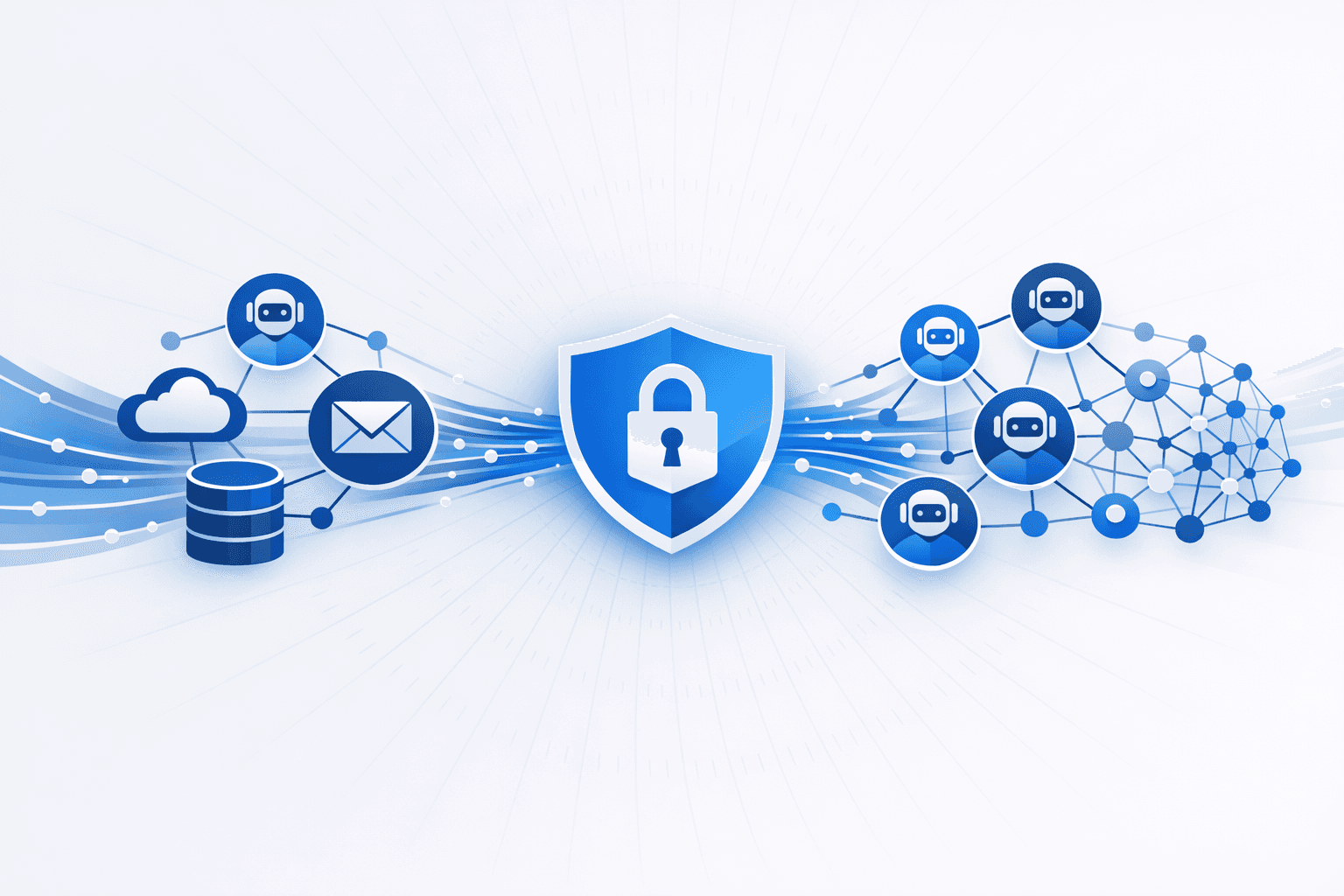
Security researchers, vendors, and practitioners warned that AI agents and assistant tools are creating major visibility and governance gaps across endpoints, SaaS platforms, and cloud infrastructure. At Black Hat and BSides Las Vegas, speakers said traditional human-centric security models do not fit autonomous systems that act continuously through APIs, combine trust with changing context, and can quickly exceed intended authority. Recent reporting and commentary highlighted recurring failures such as treating agents like ordinary identities, granting broad permissions for convenience, underestimating API access, and missing “shadow AI” deployments, while guidance from the Cloud Security Alliance and others stressed runtime authorization, per-action controls, requester-aware logging, least privilege, and reduced blast radius for agentic systems.
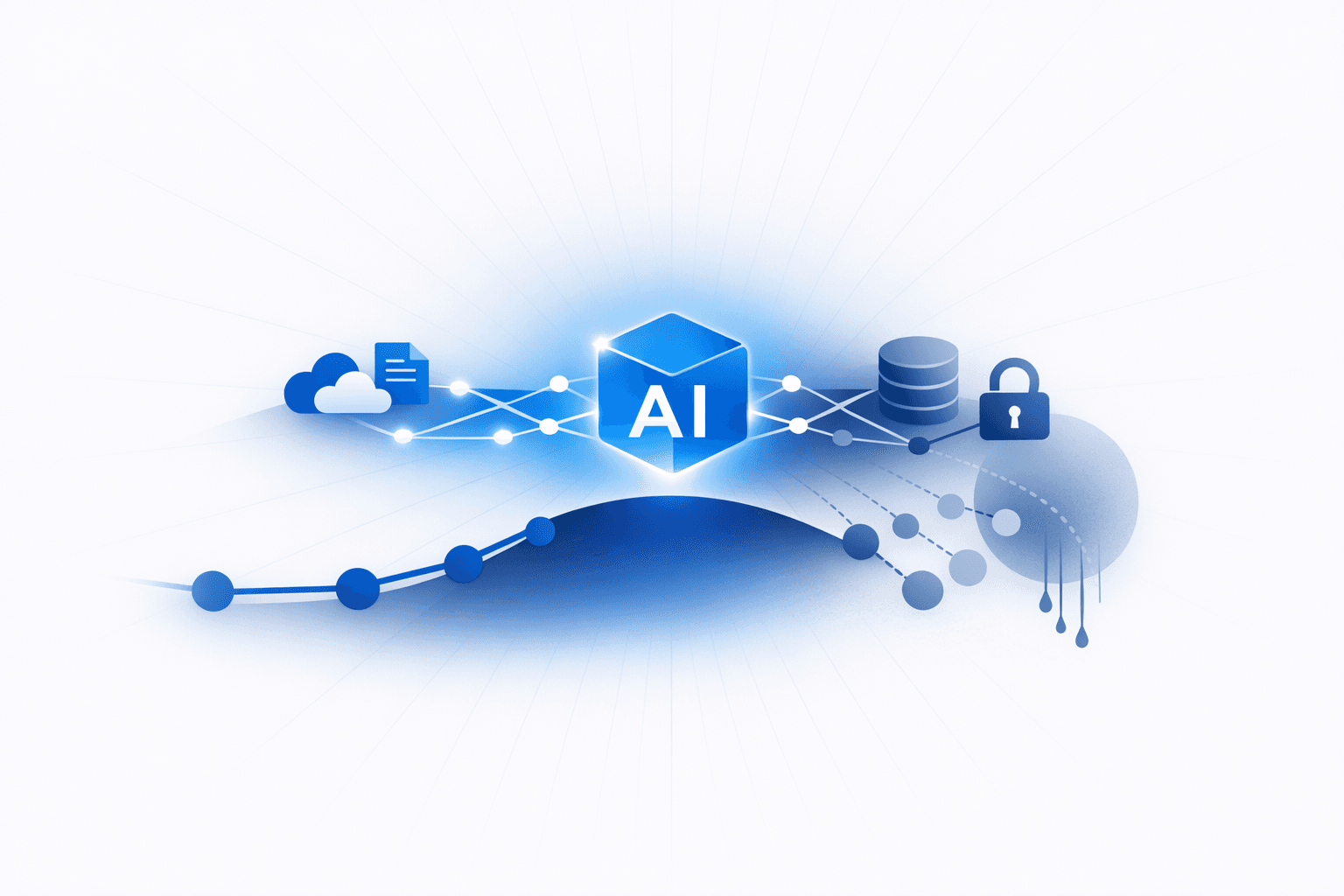
New examples showed how those risks are surfacing in practice. Imperva released ShadowAI-Watch, an open-source host monitoring tool that correlates connections to LLM providers with process trees, commands, file access, and network activity, and demonstrated detection of a browser agent manipulated by indirect prompt injection into attempting session-data exfiltration. SecuritySenses warned that bot-less AI meeting notetakers can evade participant-list visibility while retaining broad OAuth access to calendars, drives, and future meetings, and a Reddit post alleged Microsoft automatically enabled OpenAI as a Microsoft 365 Copilot subprocessor for some tenants, raising compliance concerns. SecurityWeek also reported that AI accelerators and “neo-clouds” introduce infrastructure blind spots beyond traditional CPU telemetry, increasing the risk of cross-tenant leakage, model theft or poisoning, and covert abuse unless organizations extend monitoring and policy controls into these emerging AI execution environments.
Why it matters
Impact assessment
AI agents, browser assistants, meeting notetakers, and user-built AI applications are creating broad governance and visibility gaps across enterprise endpoints, SaaS, and cloud environments. Affected organizations include enterprises using Microsoft 365 Copilot, Slack-integrated agents, developer workstations, AI-enabled SaaS, and AI-focused cloud infrastructure; small businesses and home users are also exposed because they are less likely to map trust boundaries or control OAuth/API access.
The primary impact is unauthorized access, sensitive data exposure, unintended destructive actions, compliance violations, and faster machine-speed abuse when agents inherit broad permissions or operate invisibly. Exposure appears widespread rather than narrowly targeted, with multiple sources citing high prevalence of shadow AI and no single confirmed mass exploitation campaign, but several concrete near-miss and proof-of-concept scenarios show realistic paths to exfiltration, privilege misuse, and operational disruption.
Supporting details
- ThreatDown research cited 74% of organizations running more AI tools than expected.
- Pathlock research cited 51% of organizations unsure they know all AI agents in enterprise systems.
- BeyondTrust research cited a 466.7% increase in active AI agents over the last year.
- SecuritySenses described bot-less AI meeting assistants that can avoid participant-list visibility while retaining broad OAuth access to calendars, drives, and future meetings.
- Reddit reporting alleged Microsoft 365 Copilot may have OpenAI enabled as a subprocessor unless tenants were already set to "No users," creating potential compliance and data-processing review requirements.
- Imperva demonstrated a browser agent manipulated by indirect prompt injection into attempting session-data exfiltration.
- InfoQ cited a near-miss where a Claude browser extension almost deleted an Airbnb reservation after being authorized in an authenticated session.
- SC Media reporting cited an incident where a Cursor tool powered by Claude allegedly deleted a production database and backups in 9 seconds.
- SecurityWeek warned that AI accelerators and neo-clouds create blind spots that could enable cross-tenant leakage, model theft, poisoning, extortion, or covert abuse if compromised.
- Scope is cross-industry because the affected workflows include email, calendars, CRM, code repositories, cloud hosting, meeting platforms, and enterprise knowledge systems.
- Known exploitation in the wild is not established as a single campaign in these references, but the sources describe active offensive use of LLMs, indirect prompt injection risk, OAuth overreach, and realistic abuse paths already occurring in enterprise environments.