F5 Discloses Three Vulnerabilities Affecting Multiple NGINX Products
Vulnerability Disclosure · 3 sources · Updated 1mo ago · First seen Oct 15, 2026
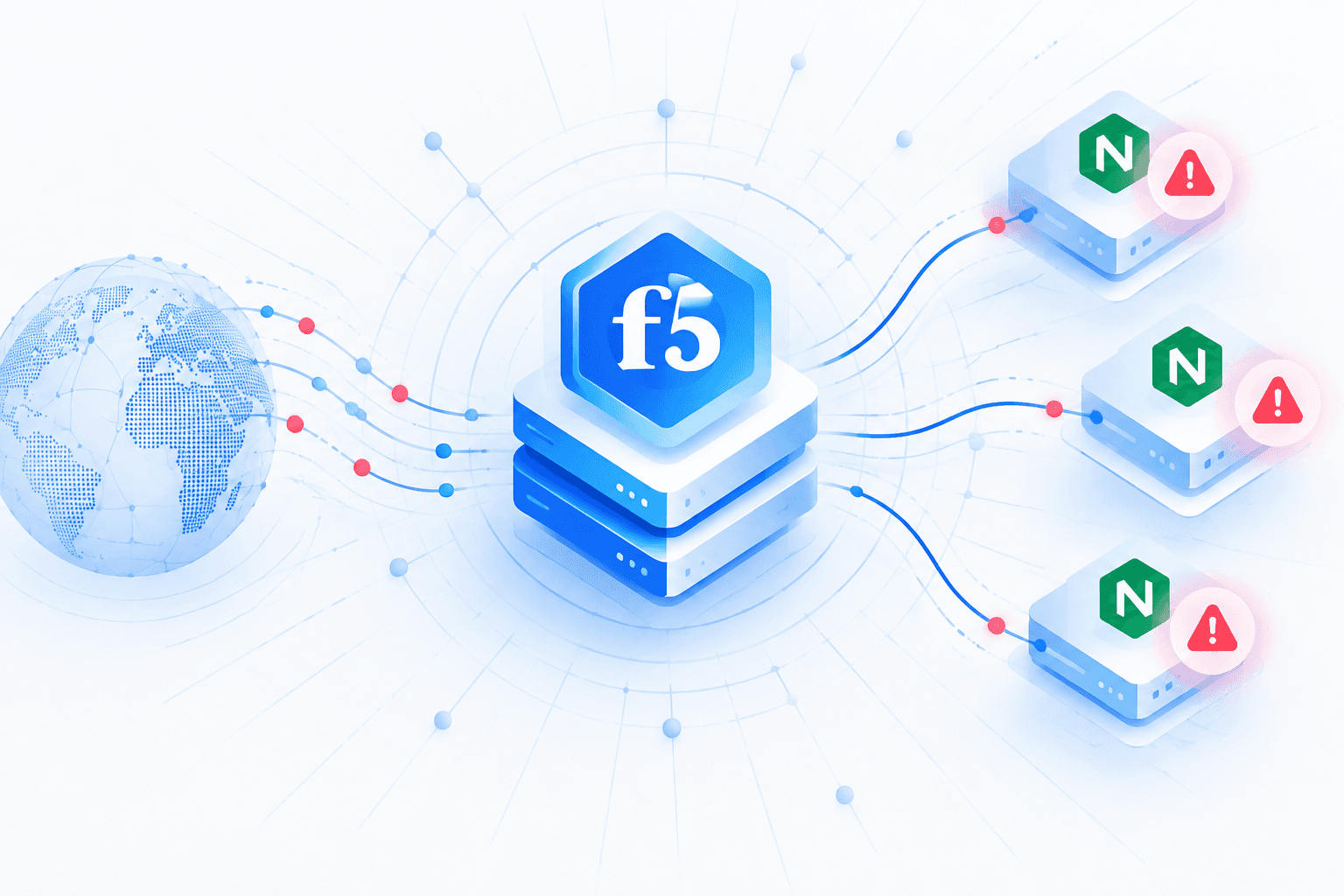
F5 disclosed three vulnerabilities affecting its NGINX product portfolio, prompting advisories from the Canadian Centre for Cyber Security and Guyana National CIRT. The notices identify CVE-2026-101019 in ngx_http_js_module, CVE-2026-104939 in NGINX Ingress Controller, and CVE-2026-15176 in ngx_http_core_module. Affected products include NGINX Gateway Fabric, Ingress Controller, JavaScript, Open Source, Plus, Instance Manager, F5 WAF for NGINX, and F5 DoS for NGINX.
Both national cybersecurity authorities recommend reviewing the linked vendor advisories and applying applicable updates as they become available. Organizations operating these products should check F5’s guidance to determine affected versions and required remediation. The supplied notices do not specify severity scores, technical impacts, or exploitation status, so they do not establish whether any of the vulnerabilities are being actively exploited.
Why it matters
F5 disclosed three vulnerabilities spanning eight NGINX product families used for application delivery, Kubernetes ingress, management, and application protection. Exposure potentially crosses industries wherever affected versions are deployed; the supplied notices do not establish business-impact severity, technical consequences, or active exploitation.
- Affected organizations: Operators of NGINX Gateway Fabric, Ingress Controller, JavaScript, Open Source, Plus, Instance Manager, F5 WAF for NGINX, and F5 DoS for NGINX.
- Business stakes: These deployments support application availability, traffic routing, and security enforcement. Their operational importance warrants prompt exposure assessment, but data loss, service disruption, and security-control bypass are not confirmed vulnerability outcomes.
- Scope: Product-wide exposure rather than a reported targeted campaign. Deployment prevalence and the number of exposed systems are not provided.
- Exploitation: The references provide no exploitation status or incident reports; they do not establish that exploitation has or has not occurred.