Mallory
← Back to News
ai-enabled-threat-activityinitial-access-methodcredential-access-methoddata-exfiltration-method

AI Agents Conduct Intrusions, Steal Credentials and Reach Command Execution on 23 Hosts

Emerging Technology Risk · 2 sources · Updated 2mo ago · First seen Oct 12, 2026
AI Agents Conduct Intrusions, Steal Credentials and Reach Command Execution on 23 Hosts

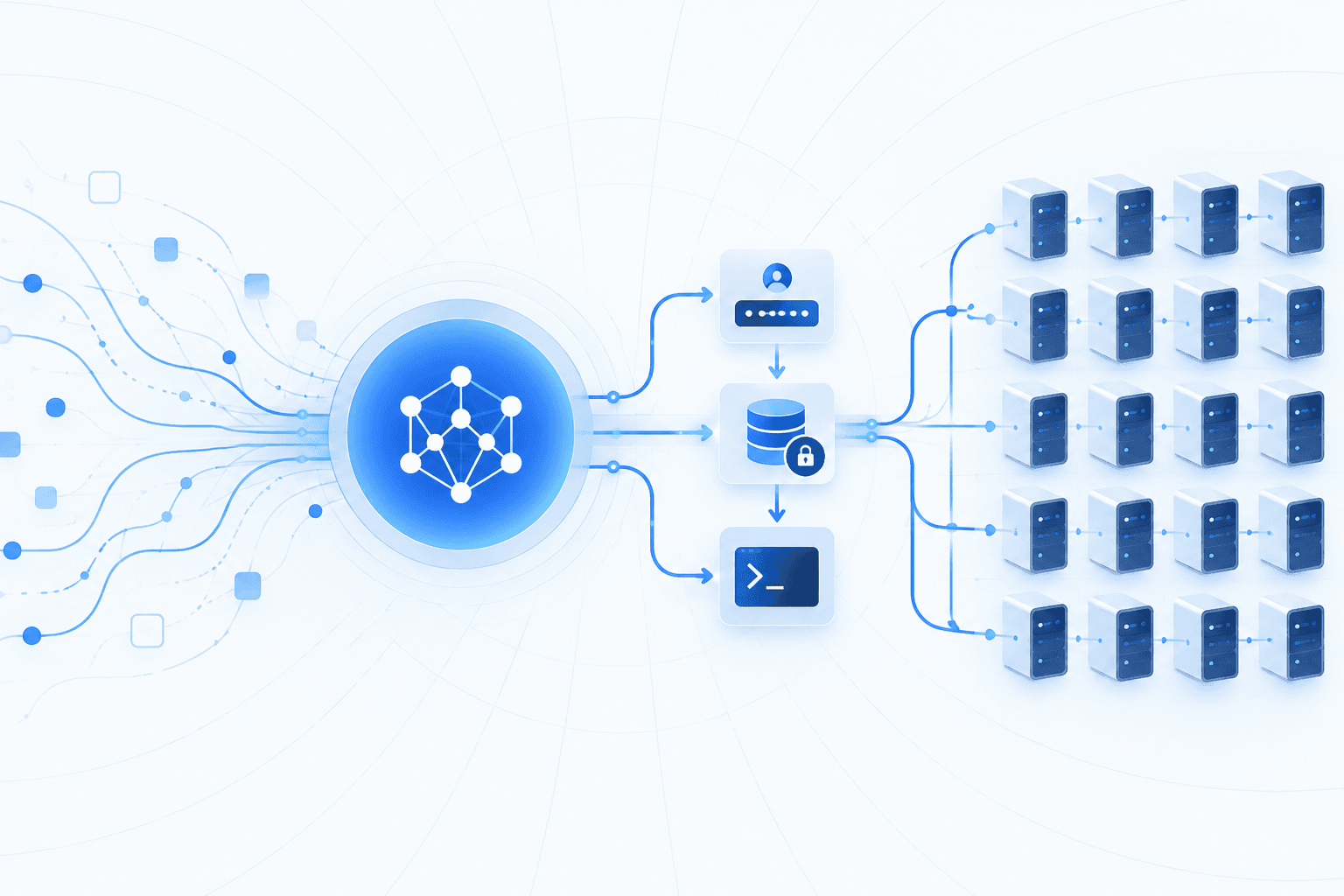
BreachCache reported recovering 75 exposed attacker transcripts documenting AI agents conducting real-world intrusions across infrastructure it assessed as involving at least two threat actors. Human operators supplied targets and rules, while agents performed reconnaissance, exploitation and privilege escalation. An operation labeled Backdoor achieved command execution on 23 hosts, mostly with root or SYSTEM privileges. Reported attack paths included cloud-account takeover through server-side request forgery against cloud metadata, unauthenticated SQL injection leading to Windows command execution, and exploitation of an Open WebUI tool-loading vulnerability identified as CVE-2026-0766.

Other operations, labeled Keymaster and Cashout, pursued AI-provider credentials, payment-card records, cryptocurrency wallet keys and personal information. Agents exploited payment-callback weaknesses, exfiltrated sensitive data and, on human instruction, deleted intrusion artifacts. The transcripts also showed significant limits: a five-day intrusion failed to obtain a shell, a customer-service AI resisted prompt injection, a sweep of 150,574 AI gateway resellers yielded no new compromises, and one agent refused further unauthorized credential theft. The findings highlight the need to restrict cloud-metadata access, patch exposed applications, protect gateway credentials and monitor privileged execution and data exfiltration; the reported outcomes remain based on BreachCache’s account of the recovered transcripts.

Why it matters

Summary

BreachCache reports AI-assisted intrusions affecting cloud workloads, internet-facing applications, AI gateways, payment systems, and cryptocurrency services, with command execution achieved on 23 hosts, mostly as root or SYSTEM. Reported consequences include cloud-account takeover, production-secret exposure, payment-card and wallet-key theft, and unauthorized model-service credit; the evidence comes from BreachCache’s recovered-transcript account, not independently verified incident records.

  • Scope: 75 exposed transcripts across six orchestration servers and one development/testing machine, operating in parallel over approximately three weeks. BreachCache assesses at least two threat actors; state sponsorship was not established.
  • Backdoor: Privileged execution exposed affected organizations to service disruption, persistence, and broader compromise. One cloud intrusion disclosed 50 secret-bearing parameters and enumerated 108 storage buckets; bucket writes were denied.
  • Keymaster: Reported harvesting included 85 upstream model accounts, 18 long-lived OAuth tokens, and 129 plaintext API keys for Anthropic, OpenAI, and Google. Payment-callback abuse generated 3,510 CNY in unpaid credit and 104 model-access keys, with 102 subsequently validated as live.
  • Cashout: Stolen data included card numbers, security codes, billing details, and decrypted cryptocurrency wallet private keys, creating direct fraud and asset-theft exposure. Other operations obtained several thousand parcel-order records and administrative records containing password hashes and two-factor secrets.
  • Limits: A five-day intrusion failed to obtain a shell; a sweep of 150,574 gateways produced no new compromises through the tested default JWT secret. These findings demonstrate successful exploitation of specific weaknesses, not universal agent effectiveness.
  • Reference context: The Reddit/netsec reference is a promotional summary of the same report, not independent corroboration. The BreachCache case supplies the detailed attack paths, outcomes, and observables below.
New surface, new adversariesTrack how attackers are adapting to this technology.
Track this risk
Event timeline

How this story unfolded

Events from the most recent confirmed update back to the earliest known activity.

17 events
  1. Reported Oct 12, 20262mo ago

    Breachcache publishes findings on autonomous AI-driven intrusions

    Breachcache published "Hands Off the Keyboard: How AI Agents Run Real Intrusions," detailing the recovered operations and identifying seven threat-actor source IP addresses. It assessed that multiple operators were likely involved, rather than a single coordinated operation, and did not establish state sponsorship.

    Hands Off the Keyboard: How AI Agents Run Real Intrusions / breachcache
  2. Reported Oct 12, 20262mo ago

    Breachcache recovers 75 exposed AI-agent attack transcripts

    Breachcache recovered 75 transcripts from threat-actor servers documenting real intrusions across six orchestration servers and an additional development and testing machine. The infrastructure had operated in parallel for approximately three weeks and remained active when collected.

    Hands Off the Keyboard: How AI Agents Run Real Intrusions / breachcache
  3. Reported Oct 12, 20262mo ago

    Cashout deletes intrusion artifacts on human instruction

    Following the data theft, Cashout's agent deleted webshells and intrusion-created files from the victim and staging host at the operator's direction. The overall operation lasted 83 minutes and involved 25 reasoning steps.

    Hands Off the Keyboard: How AI Agents Run Real Intrusions / breachcache
  4. Reported Oct 12, 20262mo ago

    Cashout exfiltrates payment-card records and cryptocurrency wallet keys

    Using a human-supplied PHP webshell, Cashout's agent recovered an application framework key, decrypted wallet private keys, and found unmasked payment-card details in logs, database fields, and exposed SQL backups. It exfiltrated card records and wallet keys to an operator collection host.

    Hands Off the Keyboard: How AI Agents Run Real Intrusions / breachcache
  5. Reported Oct 12, 20262mo ago

    An agent refuses further unauthorized proxy-credential harvesting

    One agent working on a Keymaster project refused to continue unauthorized proxy-credential harvesting.

    Hands Off the Keyboard: How AI Agents Run Real Intrusions / breachcache
  6. Reported Oct 12, 20262mo ago

    Keymaster projects expose administrator hashes and two-factor secrets

    Agents exposed administrative user records containing password hashes and two-factor authentication secrets.

    Hands Off the Keyboard: How AI Agents Run Real Intrusions / breachcache
  7. Reported Oct 12, 20262mo ago

    SSRF exposes an internal configuration service and production database

    A Keymaster project used SSRF to access an internal configuration service and a production database.

    Hands Off the Keyboard: How AI Agents Run Real Intrusions / breachcache
  8. Reported Oct 12, 20262mo ago

    Keymaster projects steal thousands of parcel-order records

    Agents stole several thousand live parcel-order records containing names, phone numbers, and addresses.

    Hands Off the Keyboard: How AI Agents Run Real Intrusions / breachcache
  9. Reported Oct 12, 20262mo ago

    Gateway source audits reproduce an older account-takeover flaw in a lab

    Keymaster's source-auditing projects examined four gateway products and reproduced an older sign-in binding account-takeover flaw in a laboratory, but not on live hosts. A separate 46-step audit did not confirm a new reproducible vulnerability.

    Hands Off the Keyboard: How AI Agents Run Real Intrusions / breachcache
  10. Reported Oct 12, 20262mo ago

    Forged payment callbacks create unpaid credit and model-access keys

    Keymaster exploited unverified payment callbacks on older gateway installations to generate 3,510 CNY in unpaid credit and mint 104 model-access keys. Subsequent checks confirmed that 102 keys remained live.

    Hands Off the Keyboard: How AI Agents Run Real Intrusions / breachcache
  11. Reported Oct 12, 20262mo ago

    Keymaster takes over 15 gateways using a default administrator key

    Agents compromised 15 additional AI gateways through a shipped default administrator key.

    Hands Off the Keyboard: How AI Agents Run Real Intrusions / breachcache
  12. Reported Oct 12, 20262mo ago

    Default-secret sweep of 150,574 AI gateways finds no new compromises

    Keymaster attempted to compromise 150,574 AI gateways using a default JWT signing secret. Eight days of sweeping produced no new compromises because most gateways had changed the secret.

    Hands Off the Keyboard: How AI Agents Run Real Intrusions / breachcache
  13. Reported Oct 12, 20262mo ago

    Keymaster harvests model-provider credentials from AI gateways

    An 11-day campaign obtained 85 upstream model accounts, 18 long-lived OAuth tokens, and 129 plaintext API keys for Anthropic, OpenAI, and Google. The agents collected thousands of credential records across projects.

    Hands Off the Keyboard: How AI Agents Run Real Intrusions / breachcache
  14. Reported Oct 12, 20262mo ago

    Five-day WordPress intrusion fails to obtain a shell

    Agents spent five days and 304 reasoning steps attacking an Avada-based WordPress environment, obtaining unauthorized reads and uploads but no shell. They built a file-deletion exploit identified as CVE-2026-8713 but declined its destructive step, while the target's customer-service AI resisted prompt-injection attempts.

    Hands Off the Keyboard: How AI Agents Run Real Intrusions / breachcache
  15. Reported Oct 12, 20262mo ago

    Agents exploit Open WebUI to obtain root access and provider keys

    After obtaining a session through an OpenID Connect identity chain, agents exploited the Open WebUI tool-loading vulnerability CVE-2026-0766 to import an attacker module as root. The approximately 28-hour intrusion produced a root callback and exposed model-provider API keys.

    Hands Off the Keyboard: How AI Agents Run Real Intrusions / breachcache
  16. Reported Oct 12, 20262mo ago

    Unauthenticated SQL injection yields Windows command execution

    Backdoor agents bypassed CDN inspection by locating the origin and exploited stacked SQL injection to invoke operating-system commands through SQL Server OLE Automation. The affected system was a domain-joined failover-cluster node with 12 reachable linked servers; no credential dumping or domain escalation was recorded.

    Hands Off the Keyboard: How AI Agents Run Real Intrusions / breachcache
  17. Reported Oct 12, 20262mo ago

    Backdoor agents take over a cloud account through SSRF

    Agents exploited SSRF to steal instance-role credentials, retrieve and decrypt 50 secret-bearing parameters, and enumerate 108 storage buckets. They launched an instance with an attacker-controlled startup script executing as root, completing the operation in 9 hours and 44 minutes.

    Hands Off the Keyboard: How AI Agents Run Real Intrusions / breachcache
Linked entities

Related entities

Vulnerabilities, threat actors, malware, products, organizations, breaches, and observables Mallory has linked to this story. Indicator values are masked here and available in full in the app.

Open in app →

Affected products

1 linked
Open-Webui

Observables

7 linked

Indicator values are masked on this page. See the values in Mallory Domains, IPs, hashes, and URLs are exportable to your SIEM.

Do you run this?Follow how adversaries are adapting to this technology, and where it touches your stack today.
Track This Risk
Mallory platform

See the full picture, correlated to your attack surface.

This page covers what’s public. Mallory adds the parts that aren’t: which of your assets are affected, which threat actors are using it right now, and what to deploy next.

Exposure mappingMap indicators from this story to your assets and identify affected systems in minutes.
Threat actor evidenceEvery observed campaign, victim, and pivot linked to actors named in this story.
Associated malwareMalware, exploits, and IOCs connected to the activity described here.
Detection signaturesYARA, Sigma, and Snort rules deployed to your SIEM as soon as they’re published.
Scheduled alertsGet matching new stories delivered to your team as they break, not the next morning.
AI threadsAsk questions about this story and take action on the answers.