Adobe ColdFusion Access-Control Bypasses Exploited in Remote Code Execution Chains
Active Exploitation · 4 sources · Updated 2mo ago · First seen Jan 9, 2024
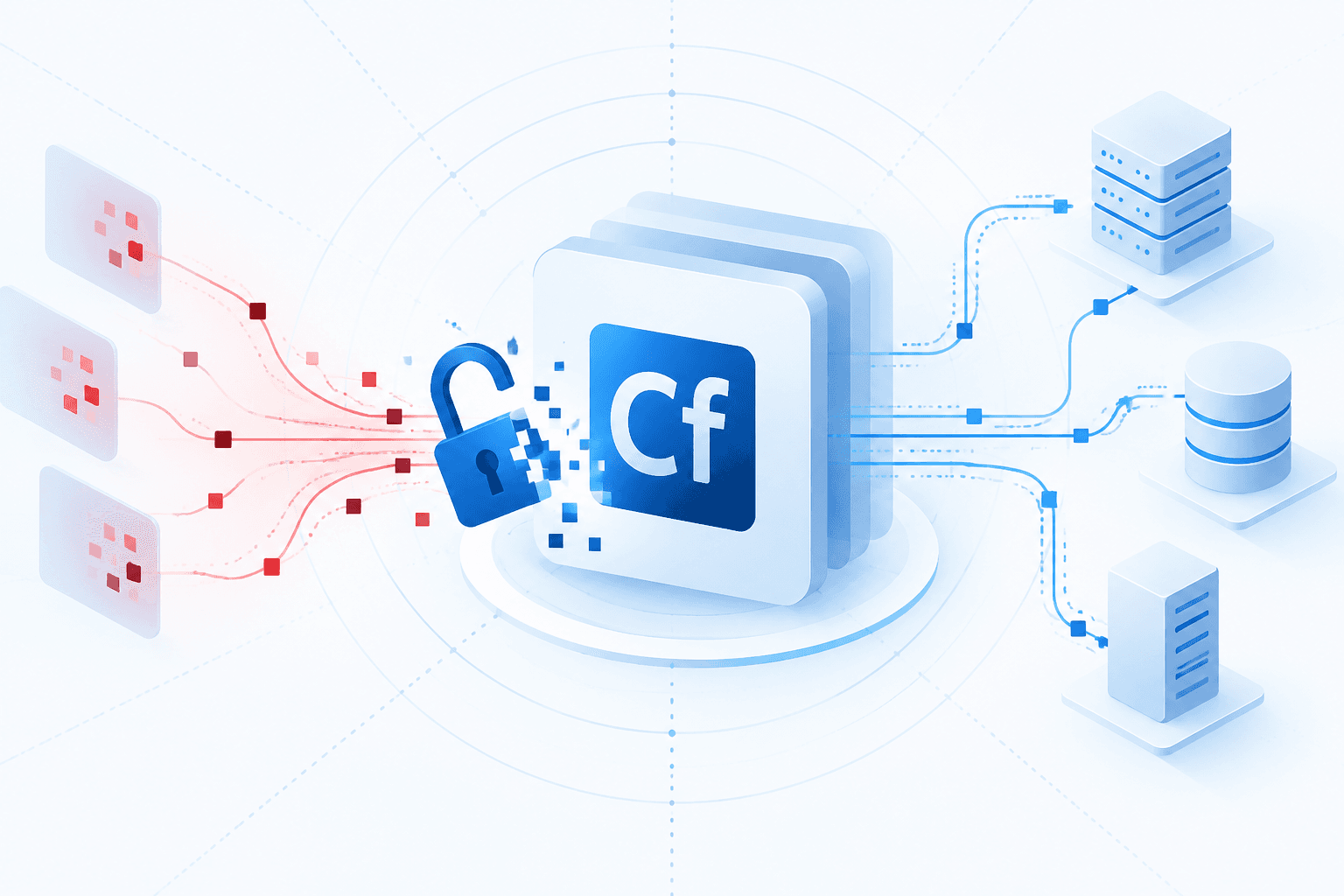
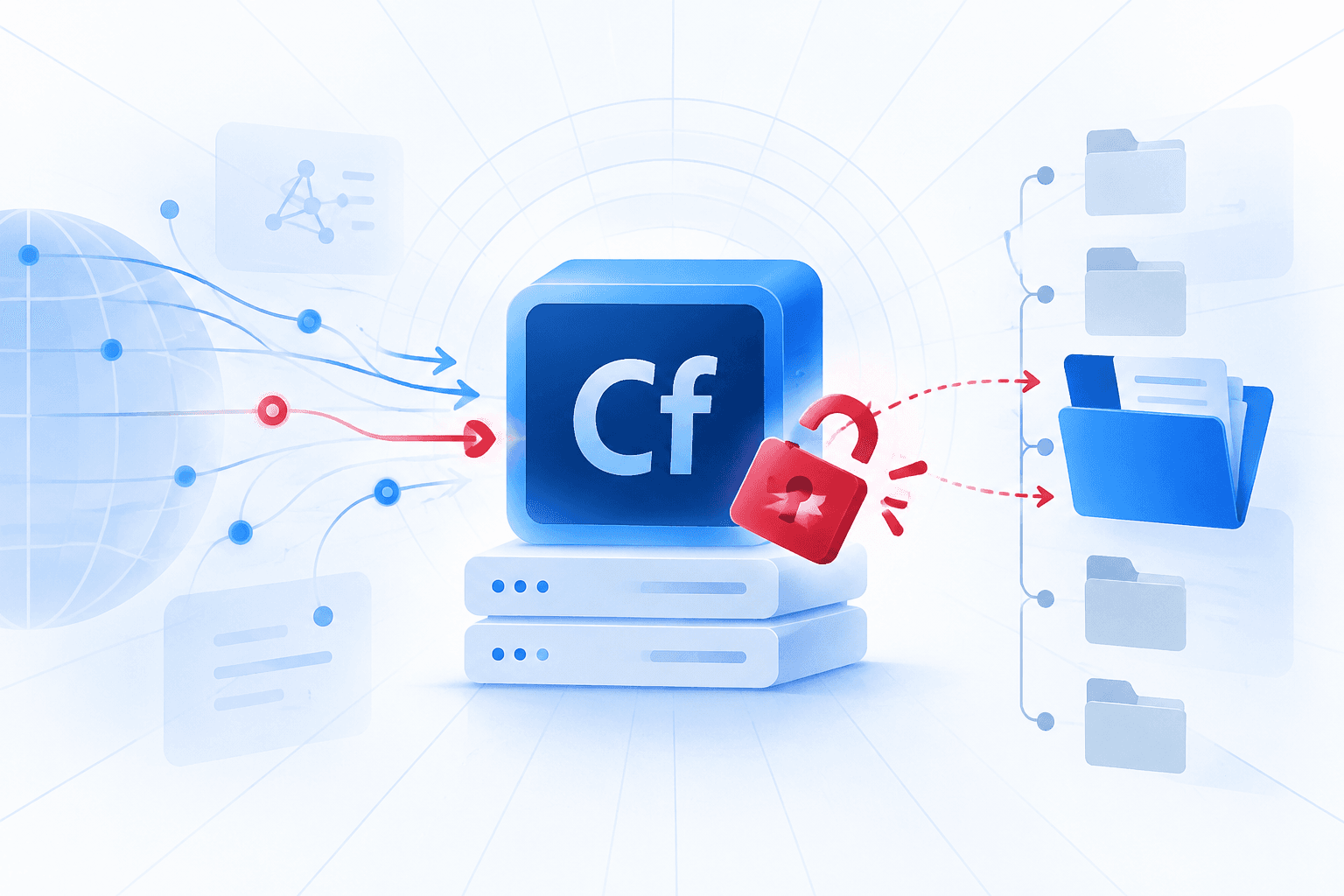
Attackers exploited Adobe ColdFusion vulnerabilities by chaining an access-control bypass, CVE-2023-29298, with a deserialization flaw, CVE-2023-38203, to achieve remote code execution. Rapid7 observed attacks in multiple customer environments beginning July 13, 2023. An exploit published and subsequently removed by Project Discovery apparently exposed a new zero-day rather than the previously patched CVE-2023-29300. Adobe patched CVE-2023-38203 on July 14, but Rapid7 confirmed that the original CVE-2023-29298 fix remained bypassable. Adobe addressed that remaining bypass as CVE-2023-38205 on July 19, and Rapid7 verified that the new patch worked.
FortiGuard Labs subsequently reported more than 50,000 unique IPS detections on January 9, 2024, highlighting widespread exploitation attempts involving ColdFusion vulnerabilities, including CVE-2023-26347; successful access-control bypasses could expose ColdFusion Administrator endpoints. CVE-2023-29298, CVE-2023-38203 and CVE-2023-38205 are listed in CISA’s Known Exploited Vulnerabilities catalog. Observed attackers used encoded PowerShell to create a ColdFusion webshell, make outbound requests and conduct domain-trust discovery. Organizations should apply Adobe’s vendor-recommended security updates, restrict access to administrative endpoints and investigate suspected webshell activity; Rapid7 also recommended blocking oastify[.]com.
Why it matters
The reporting documents active exploitation of Adobe ColdFusion servers, including access-control bypasses chained with deserialization flaws to achieve remote code execution. Organizations running exposed, unpatched ColdFusion applications face server takeover, application-data exposure, credential compromise, service disruption, and abuse of infrastructure for cryptocurrency mining and DDoS attacks.
- Affected population: Organizations operating ColdFusion 2018, 2021, and 2023 applications, particularly installations exposing ColdFusion administrative endpoints to untrusted networks. No specific industry targeting is established.
- Confirmed exploitation: Rapid7 observed attacks in multiple customer environments beginning July 13, 2023. Adobe reported limited exploitation of CVE-2023-38205, and FortiGuard documented subsequent reverse-shell activity and malware deployment.
- Scope: FortiGuard reported more than 50,000 unique IPS detections on January 9, 2024. This indicates widespread exploitation attempts, not 50,000 confirmed compromised systems.
- Business consequences: Webshell access enables persistent application-server control; domain-trust discovery creates opportunities for follow-on intrusion. XMRig, Lucifer, RudeMiner, and BillGates/Setag add resource consumption, botnet participation, and operational disruption.
- Timing: The substantive exploitation evidence concerns 2023–2024 activity. Later publication metadata does not establish a new October 2026 campaign.