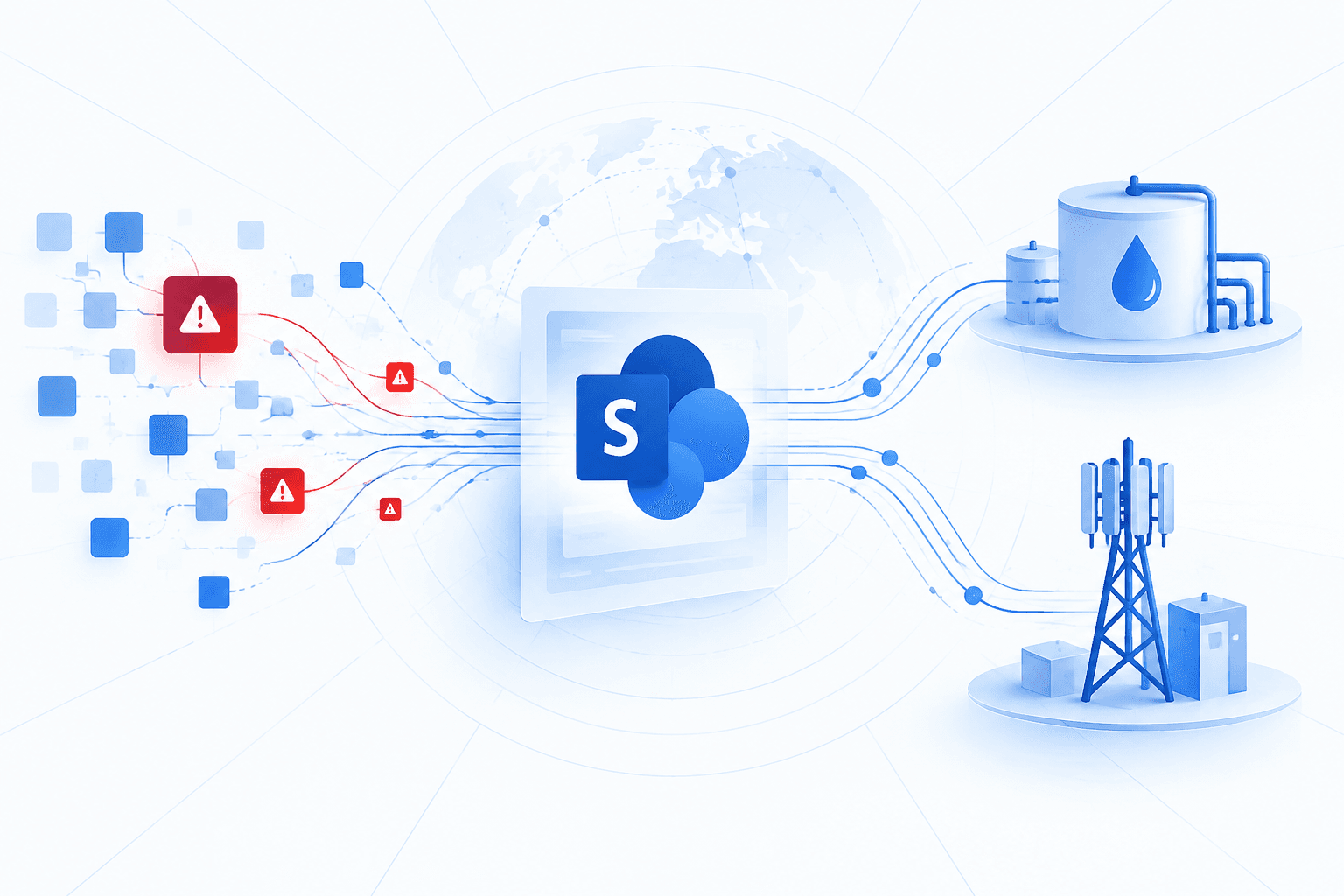
Warlock Ransomware Exploits SharePoint ToolShell With Links to Earlier LockBit Operations
Active Exploitation · 4 sources · Updated 2mo ago · First seen Jul 31, 2025
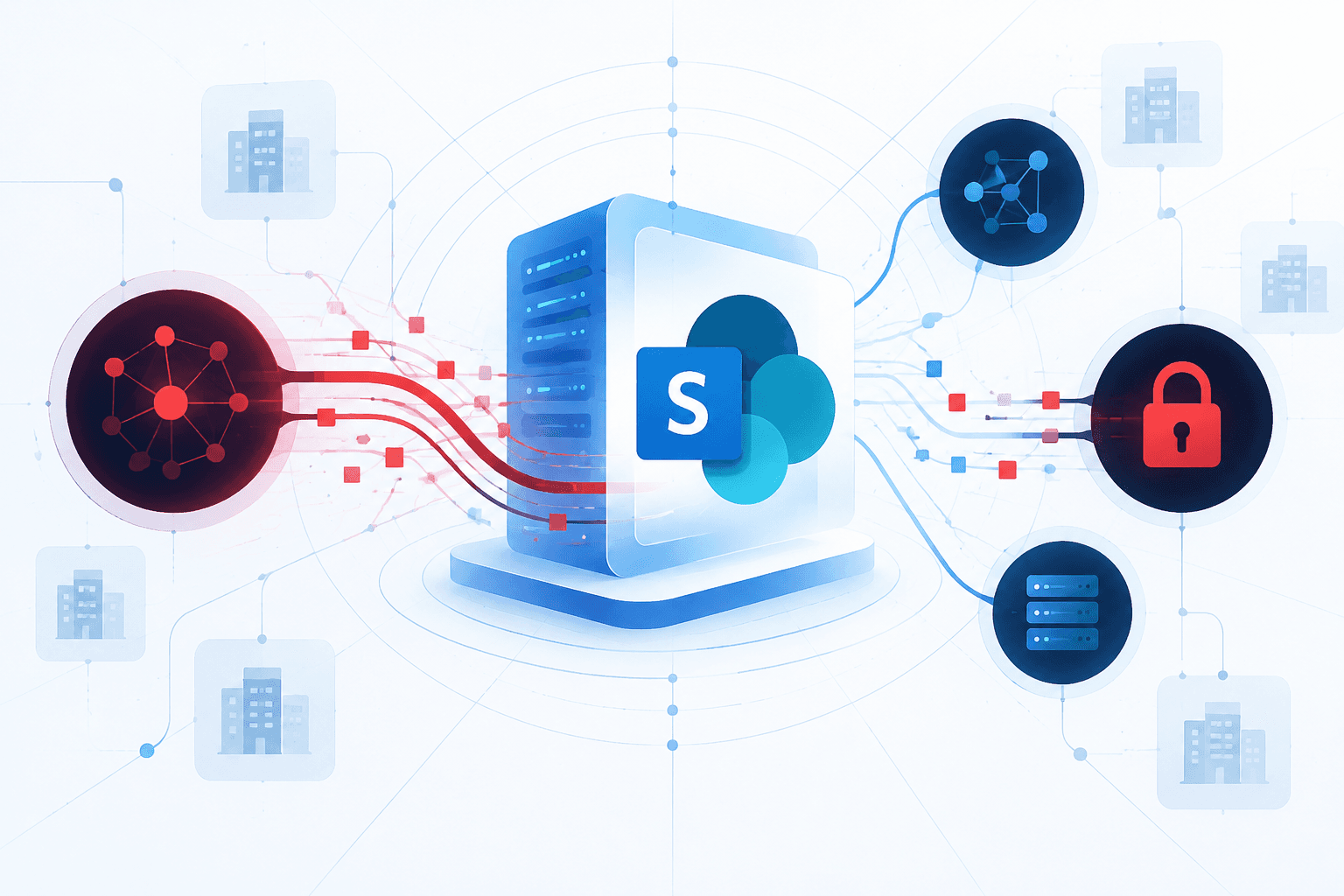
Warlock ransomware operators exploited Microsoft SharePoint’s ToolShell vulnerabilities, including CVE-2025-53770, to compromise enterprise networks, steal data and deploy ransomware. Microsoft tracks the actor as Storm-2603; Palo Alto Networks Unit 42 assessed with high confidence that it matches its CL-CRI-1040 cluster. The operation uses the Project AK47 toolset, including a DNS/HTTP command-and-control backdoor, DLL sideloading loaders and AK47/X2ANYLOCK ransomware. Warlock is a LockBit 3.0 derivative that appends the .x2anylock extension to encrypted files. Researchers linked the operators to earlier LockBit affiliate activity and a Warlock-branded double-extortion site, with victims spanning multiple continents and sectors, including critical infrastructure.
Observed intrusions involved web shells, credential theft, lateral movement, Group Policy abuse, security-tool disabling and RClone-based data exfiltration; attackers also exploited outdated Veeam installations vulnerable to CVE-2023-27532. Symantec and Carbon Black found malicious 7z.dll loaders and defense-evasion tools using a stolen coolschool signing certificate and a vulnerable Baidu driver in attacks against a Middle Eastern engineering company and a U.S. firm. Certificate reuse suggests a possible connection to CamoFei/ChamelGang, but that historical link and a proposed mix of espionage and financially motivated activity remain tentative. Microsoft assessed Storm-2603 as China-based, while Unit 42 reported insufficient evidence for confident nation-state attribution. Defenders should prioritize SharePoint and Veeam patching and hunt for suspicious DLL loading, vulnerable-driver abuse, unauthorized Group Policy changes and AK47 command-and-control activity.
Why it matters
Summary
Warlock/Storm-2603 compromised enterprise SharePoint environments to steal data, disable defenses and deploy ransomware, creating risks of prolonged outages, double extortion and backup compromise. Reported victims span North America, Europe, Asia and Africa, including government, engineering, technology and critical infrastructure organizations. Exploitation is documented in 2025; the supplied reporting does not establish continued activity as of October 9, 2026.
- Exposure: Organizations operating unpatched SharePoint servers or outdated Veeam Backup installations, particularly where compromised servers can reach domain administration and backup infrastructure.
- Observed incidents: ToolShell exploitation on July 19, 2025, and August 2025 attacks against a Middle Eastern engineering company and a U.S. firm.
- Business consequences: Encryption of local and network-accessible files, theft of sensitive information, disruption of security and backup services, and reduced forensic recoverability through disk overwriting.
- Scope caveat: Trend Micro reported at least 16 attacker-claimed attacks shortly after Warlock's June 2025 debut. These claims are not equivalent to independently confirmed incidents.
- Attribution: Microsoft assessed Storm-2603 as China-based. Unit 42 assessed the activity as financially motivated but lacked sufficient evidence for nation-state attribution. Connections to CamoFei/ChamelGang and Black Basta remain unconfirmed.