Vice Society Targets Schools With Ransomware and Data-Theft Extortion
Threat Actor Intelligence · 2 sources · Updated 2mo ago · First seen Oct 25, 2022
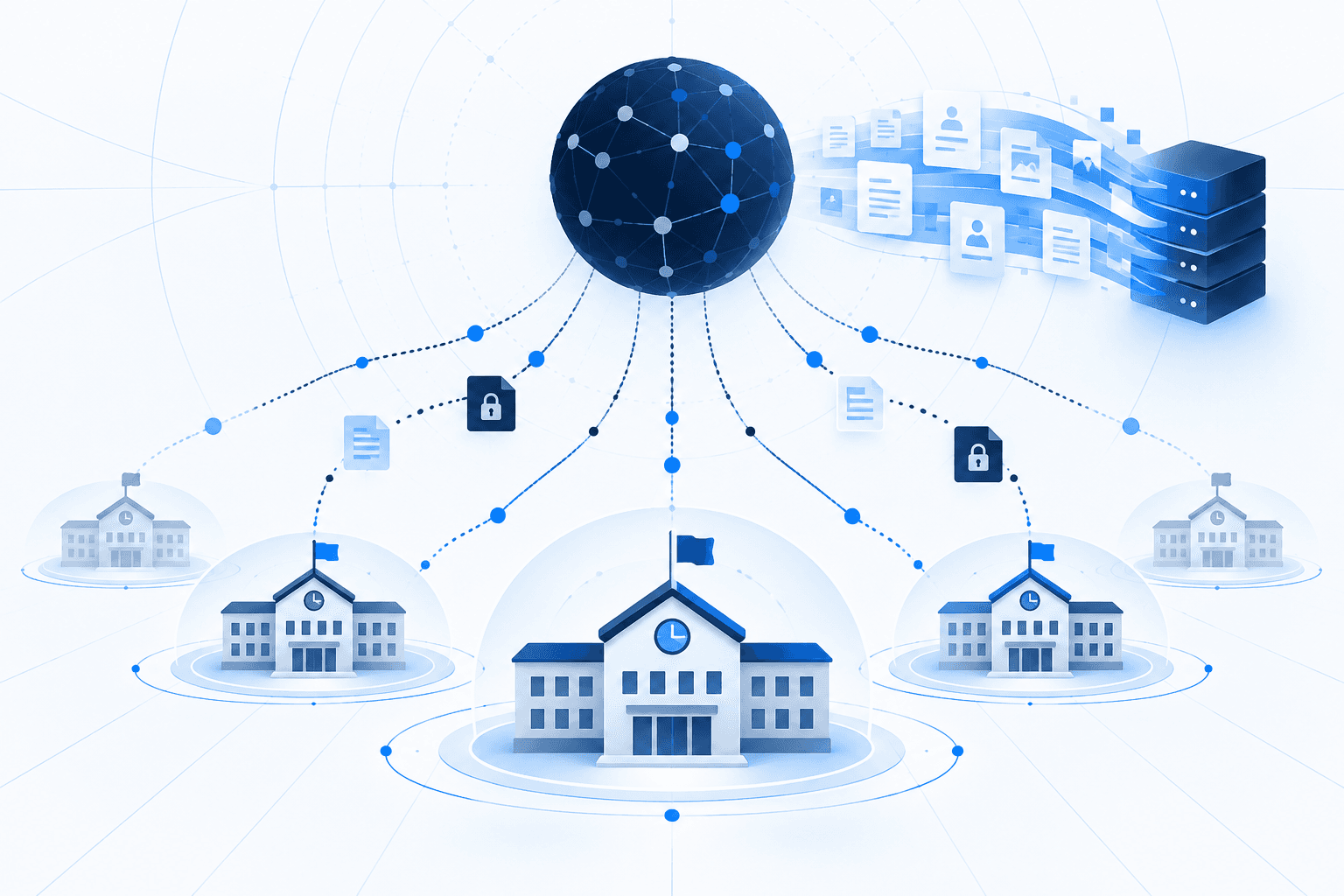
Vice Society disproportionately targeted educational institutions in a ransomware and extortion campaign documented by Palo Alto Networks Unit 42 in December 2022. The opportunistic group, first observed in 2021, was estimated to have affected more than 100 organizations. Its leak site listed more than 90 victims in 2022, including at least 33 educational institutions. Activity spikes potentially coincided with the beginning and end of the U.S. school year. Rather than developing custom ransomware, Vice Society used existing families, notably HelloKitty and Zeppelin.
The group's operations combined vulnerability exploitation, credential theft, lateral movement, backup targeting, data exfiltration and encryption to support double extortion. These behaviors span MITRE ATT&CK objectives including initial access, credential access, lateral movement, exfiltration and impact; the framework describes adversary goals rather than a separate incident. Unit 42 incident-response cases documented dwell times of up to six days, initial ransom demands exceeding $1 million and negotiated demands as high as $460,000. For education-sector defenders, the activity underscores the importance of timely vulnerability remediation, credential protection, lateral-movement detection and isolated, tested backups, while recognizing that recovery from encryption does not eliminate stolen-data exposure.
Why it matters
Summary
Vice Society’s documented ransomware campaign disproportionately affected K–12 schools and higher education, causing encryption-related disruption and stolen-data exposure through double extortion. Unit 42 estimated more than 100 affected organizations since 2021; this December 2022 report documents historical exploitation, not evidence of renewed activity in October 2026.
- Scope: More than 90 victims appeared on the group’s leak site in 2022, including at least 33 educational institutions. Victims were distributed globally, with the largest number in the United States.
- Other affected sectors: Healthcare, government, manufacturing and nongovernmental organizations, commonly small- to medium-sized entities.
- Business consequences: Backup targeting complicates restoration; theft of sensitive information creates privacy, notification and reputational risks even when encrypted systems are recovered.
- Observed extortion: Initial demands exceeded $1 million, negotiated demands reached $460,000, and victims typically received seven days to pay. These figures describe demands, not confirmed payments or total losses.
- Exposure factors: Legacy systems, constrained security budgets, staffing shortages and unmanaged personal devices increased education and healthcare exposure. School-year timing was a suggested pattern, not an established campaign schedule.