Secure Boot Revocation Gaps Leave Firmware Exposed to Known Bypasses
Vulnerability Disclosure · 3 sources · Updated 2mo ago · First seen Jan 21, 2025
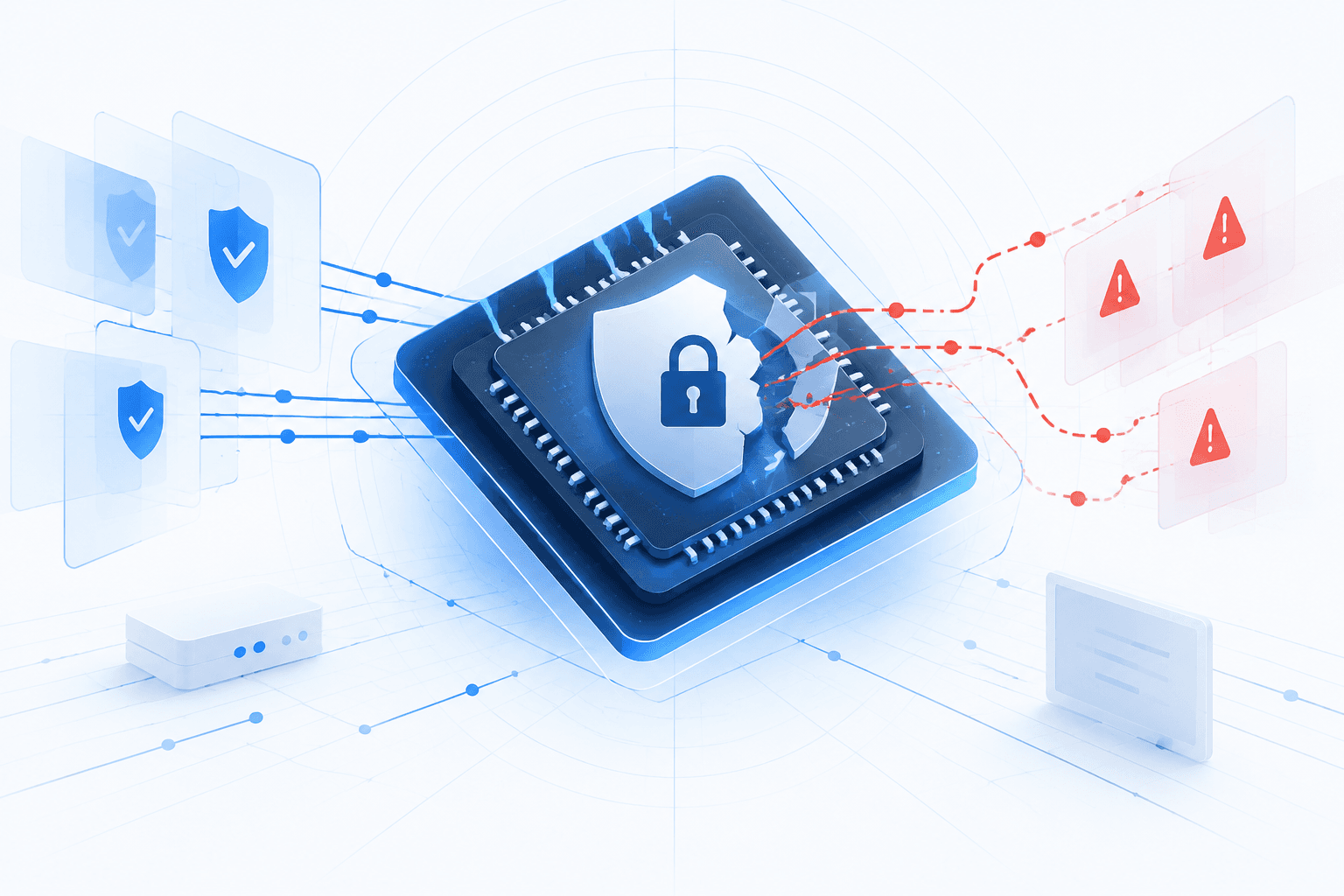
Binarly identified inconsistent and outdated UEFI Secure Boot revocation databases distributed by Microsoft, the UEFI Forum, and the Linux Vendor Firmware Service (LVFS), undermining protection against known bypasses. The investigation followed ESET’s disclosure of CVE-2024-7344, a vulnerability in a Microsoft-signed Howyar Technologies UEFI application that can execute unsigned code despite Secure Boot. Binarly found that the UEFI Forum’s revocation list had lacked entries associated with publicly known bypasses for approximately six months, leaving systems relying on that list exposed.
The findings extended to firmware supply chains: 3,137 of 5,331 recently released firmware images—approximately 59%—contained outdated revocation databases, and Binarly identified discrepancies between revocation metadata and binary updates. Although the three distribution sources matched by January 21, 2025, that alignment did not establish that deployed systems had received the necessary revocations. Organizations should verify installed Secure Boot revocations rather than assume firmware recency ensures protection. Binarly also recommended coordinated vulnerability disclosures and revocation updates, alongside a single authoritative revocation source.
Why it matters
Outdated UEFI Secure Boot revocation databases can leave Windows and Linux devices able to execute known-vulnerable, signed boot components, undermining the pre-OS trust boundary. Successful bypass can enable unsigned code execution and bootkit persistence; Binarly found outdated databases in 3,137 of 5,331 firmware images, indicating broad firmware supply-chain exposure rather than a single-product issue. The findings describe January 2025 conditions, not verified fleet exposure as of October 2026.
- Affected populations: Organizations using devices that trust Microsoft’s third-party UEFI certificate and lack relevant installed dbx revocations, including systems receiving updates through Microsoft, device vendors, or LVFS.
- Operational stakes: Compromise below the operating system can undermine endpoint defenses and require boot-chain recovery. Revocation deployment also requires compatibility testing because older boot and recovery media may become unbootable.
- Scope: 58.84% of Binarly’s sampled firmware images had outdated dbx databases; this is not a measurement of deployed endpoints.
- Exploitation: BlackLotus previously exploited CVE-2022-21894. The supplied material does not report in-the-wild exploitation of CVE-2024-7344 or incidents attributable to the identified distribution gaps.
- Distribution sources matched by January 21, 2025, but that did not establish that deployed systems had installed the revocations.