Mallory
← Back to News
loader-delivery-mechanismcommand-and-control-methodphishing-campaign-intelligenceinitial-access-method

AvisLoader Uses ClickFix and Tox P2P to Resist C2 Takedowns

Malware Intelligence · 4 sources · Updated 2mo ago · First seen Sep 23, 2026

AvisLoader Uses ClickFix and Tox P2P to Resist C2 Takedowns

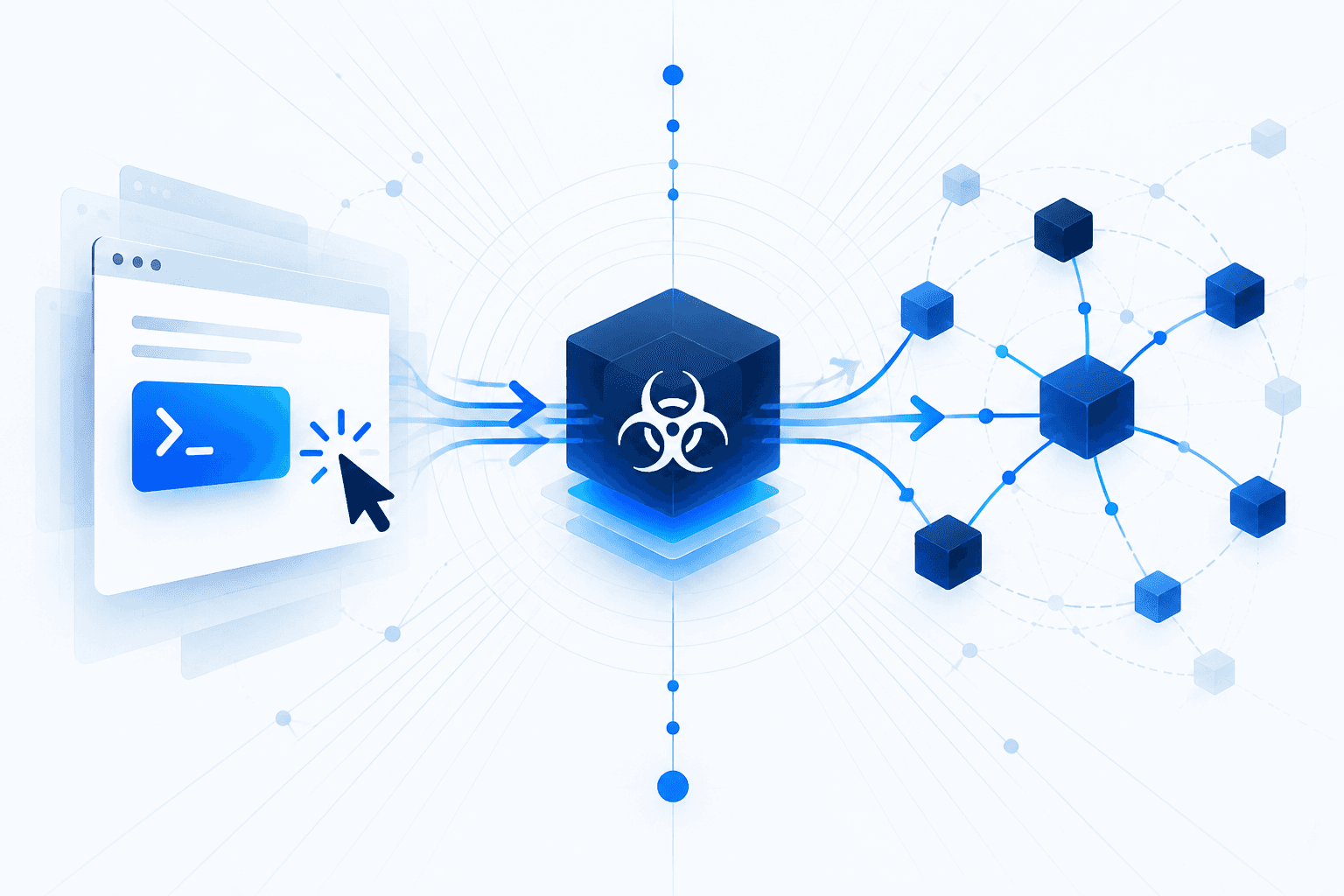
Varonis Threat Labs identified AvisLoader, a 64-bit Windows loader spread through a ClickFix lure impersonating a DocuSign signature request. Victims are instructed to paste an attacker-controlled command into a terminal, which retrieves code through a Cloudflare Quick Tunnel and bypasses normal browser download controls.

AvisLoader statically links c-toxcore and uses the encrypted, decentralized Tox peer-to-peer network for command-and-control and payload delivery, eliminating dependence on a fixed server or domain and complicating takedowns. Its command center supports host inventory, attribute-based tasking, shell-command execution, and file staging; recovered components also indicate possible shortcut-based persistence, UAC bypass, and process hiding, although successful deployment of those capabilities was not confirmed.

Why it matters

Assessment

AvisLoader targets Windows users through DocuSign-themed ClickFix social engineering and can provide operators with remote shell execution and payload delivery after compromise. Organizations with users able to execute pasted terminal commands are exposed to malware installation, endpoint takeover, follow-on payload deployment, and potential operational disruption.

The exposure is currently based on a recovered staging environment rather than confirmed victim reporting: Varonis did not confirm victim counts, successful payload transfers, active UAC bypass, or real-world deployment of process hiding. Its decentralized Tox command-and-control design can complicate conventional domain- and server-based disruption, extending the potential dwell time of compromised hosts.

Affected scope

  • Affected platform: 64-bit Windows endpoints.
  • Initial-access lure: DocuSign signature-request impersonation with a fake "Manual verification" prompt.
  • Likely affected populations: users who visit phishing-linked document-signing pages and manually paste attacker-supplied commands into a terminal.
  • Potential operator impact: host inventory, selective tasking, shell-command execution, and staging of additional payloads.

Severity considerations

  • Shell execution and file delivery can enable credential theft, ransomware deployment, lateral-movement tooling, or other second-stage malware.
  • Shortcut tampering can create stealthy persistence by launching malware before the intended application.
  • Tox C2 avoids reliance on a fixed C2 domain or IP, but endpoint and network telemetry can still expose the activity.

Exploitation status

  • No confirmed victim compromises, payload transfers, successful UAC bypass, or active process hiding were reported.
  • No confirmed in-the-wild takedown-and-controller-recovery event was reported; the resilience claim is based on the malware design and an operator advertisement.
Hunt this familyPull IOCs and campaign context straight into your stack.
Get the IOCs
Event timeline

How this story unfolded

Events from the most recent confirmed update back to the earliest known activity.

2 events
  1. Reported Sep 24, 20262mo ago

    AvisLoader analysis reveals persistence and process-hiding components

    Analysis of the recovered AvisLoader materials identified code for modifying desktop and pinned-taskbar shortcuts, a bundled helper referencing a Windows privilege-bypass method, and hmn_hook.dll, which can hide selected processes from listings. Researchers did not confirm successful privilege escalation, payload delivery, or real-world deployment of these functions.

    AvisLoader Windows Malware That Learned to Survive Even After Its Servers Are Taken Down
  2. Reported Sep 23, 20262mo ago

    Varonis discovers AvisLoader staging infrastructure

    Varonis Threat Labs discovered the AvisLoader Windows loader on an exposed staging server alongside a ClickFix lure, supporting tools, and an AvisLoader Command Center. The recovered materials revealed a DocuSign-themed lure that directed victims to execute a command retrieving code through a Cloudflare Quick Tunnel, while the loader used Tox peer-to-peer communications for command-and-control and payload delivery.

    Meet AvisLoader: A Windows Loader Built to Outlast a Takedown
Linked entities

Related entities

Vulnerabilities, threat actors, malware, products, organizations, breaches, and observables Mallory has linked to this story. Indicator values are masked here and available in full in the app.

Open in app →

Malware

1 linked

Observables

4 linked

Indicator values are masked on this page. See the values in Mallory Domains, IPs, hashes, and URLs are exportable to your SIEM.

Do you run this?Pull the IOCs, campaigns, and victimology behind this family, ready to push into your SIEM and EDR.
Hunt This Malware
Mallory platform

See the full picture, correlated to your attack surface.

This page covers what’s public. Mallory adds the parts that aren’t: which of your assets are affected, which threat actors are using it right now, and what to deploy next.

Exposure mappingMap indicators from this story to your assets and identify affected systems in minutes.
Threat actor evidenceEvery observed campaign, victim, and pivot linked to actors named in this story.
Associated malwareMalware, exploits, and IOCs connected to the activity described here.
Detection signaturesYARA, Sigma, and Snort rules deployed to your SIEM as soon as they’re published.
Scheduled alertsGet matching new stories delivered to your team as they break, not the next morning.
AI threadsAsk questions about this story and take action on the answers.