China-Linked Threat Actors Use Frontier AI for Cyber Operations and Surveillance
Threat Actor Intelligence · 3 sources · Updated 2mo ago · First seen Sep 21, 2026
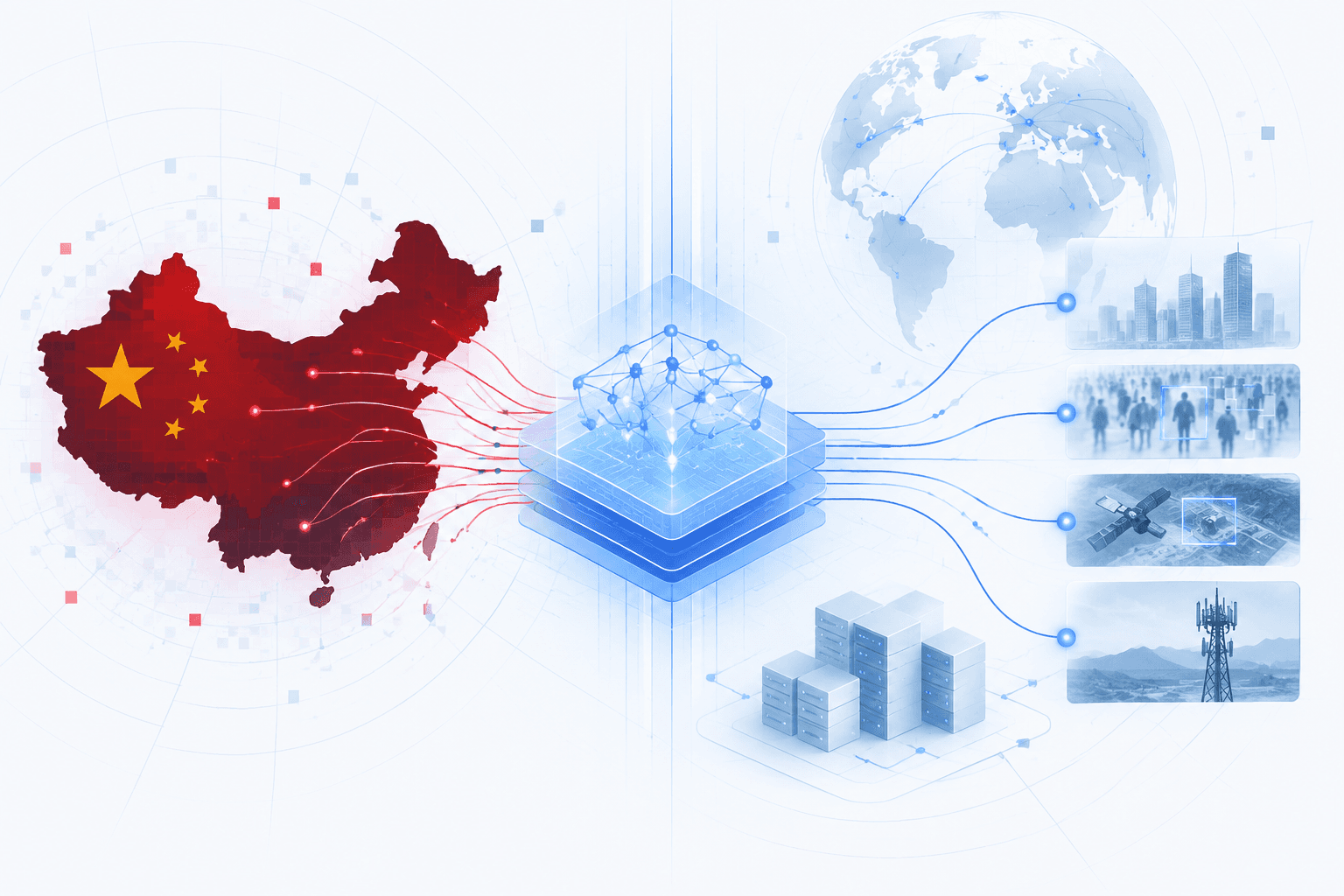
Anthropic reported that PRC-linked and China-based operators used Claude between December 2025 and August 2026 in increasingly agentic workflows supporting reconnaissance, vulnerability research, exploitation, credential collection, infrastructure management, exfiltration, and intelligence analysis. Activity included Chinese-speaking operators tracked as GTG-10007, China-aligned surveillance operations, and alleged military research involving anti-torpedo and electronic-warfare systems. Anthropic also alleged that seven China-based AI laboratories—including Alibaba, Moonshot AI, DeepSeek, Zhipu, Xiaomi, SenseTime, and MiniMax—performed unauthorized industrial-scale distillation of Claude.
OpenAI separately disrupted accounts associated with China-linked Charcoal Typhoon, Salmon Typhoon, and SweetSpecter, as well as Iranian, North Korean, and Russian state-affiliated actors. The groups used AI primarily for open-source research, translation, scripting, troubleshooting, phishing content, and research into stealth techniques; SweetSpecter also targeted OpenAI staff in a May 2024 spear-phishing attempt carrying SugarGh0st RAT, though the emails were blocked. OpenAI assessed that the observed use did not provide attackers novel capabilities beyond public tools, while warning that enterprise users should consider whether AI routing services could expose sensitive prompts or credentials to third-party model providers.
Why it matters
Impact assessment
PRC-linked and China-based operators are using frontier AI to accelerate the full intrusion lifecycle, including reconnaissance, vulnerability research, credential collection, infrastructure administration, and analysis of stolen data. The most acute exposure is to government, defense, diplomatic, intelligence, maritime, drone, and defense-industrial organizations in Ukraine, Europe, the Middle East, and Asia; enterprises using AI routing or aggregation services also risk inadvertent disclosure of sensitive prompts, credentials, and internal documents.
- Anthropic reported an AI-enabled operation targeting more than 20 organizations, including ministries, defense and intelligence bodies, embassies, diplomatic missions, think tanks, and defense-industrial companies.
- Ukrainian government email and remote-access systems were scanned at scale; mailbox data was exported from at least two drone-component manufacturers, and a military drone manufacturer was targeted.
- In one reported intrusion, operators stole a drone-vision system software development kit and analyzed its architecture, bill of materials, suppliers, and an unannounced product.
- Anthropic assessed that agentic workflows allowed some intrusions to complete in two to three hours and enabled one operator to manage dozens of victims simultaneously. This increases operational scale and reduces defender response time.
- Known malicious activity includes SweetSpecter spear-phishing OpenAI personnel in May 2024. OpenAI reported that mail controls blocked the messages before delivery to corporate inboxes and did not report a successful compromise.
- OpenAI assessed earlier AI use by Charcoal Typhoon, Salmon Typhoon, SweetSpecter, and other state-affiliated actors did not create novel offensive capabilities beyond public tools. Anthropic reporting nevertheless indicates materially more automated and operationally integrated use.
Entities and affected populations
- PRC-linked or China-based entities: GTG-10007; Charcoal Typhoon; Salmon Typhoon; SweetSpecter; Keyhole Panda/APT5; Vixen Panda/APT15; APT41/SPIRE CASTLE; RAVINE CASTLE/APT24/COULEE.
- Surveillance targets: dissidents, human-rights defenders, Uyghur advocates, religious figures, overseas protesters, and Uyghurs in Syria.
- Enterprise privacy exposure: Anthropic alleged that some conversations relayed through DeepSeek, Xiaomi, and Moonshot to Claude contained names, email addresses, corporate data, credentials, and internal documentation.