Chinese State-Sponsored Espionage Using Claude AI for Autonomous Cyberattacks
Threat Actor Intelligence · 30 sources · Updated 5mo ago · First seen Nov 14, 2025
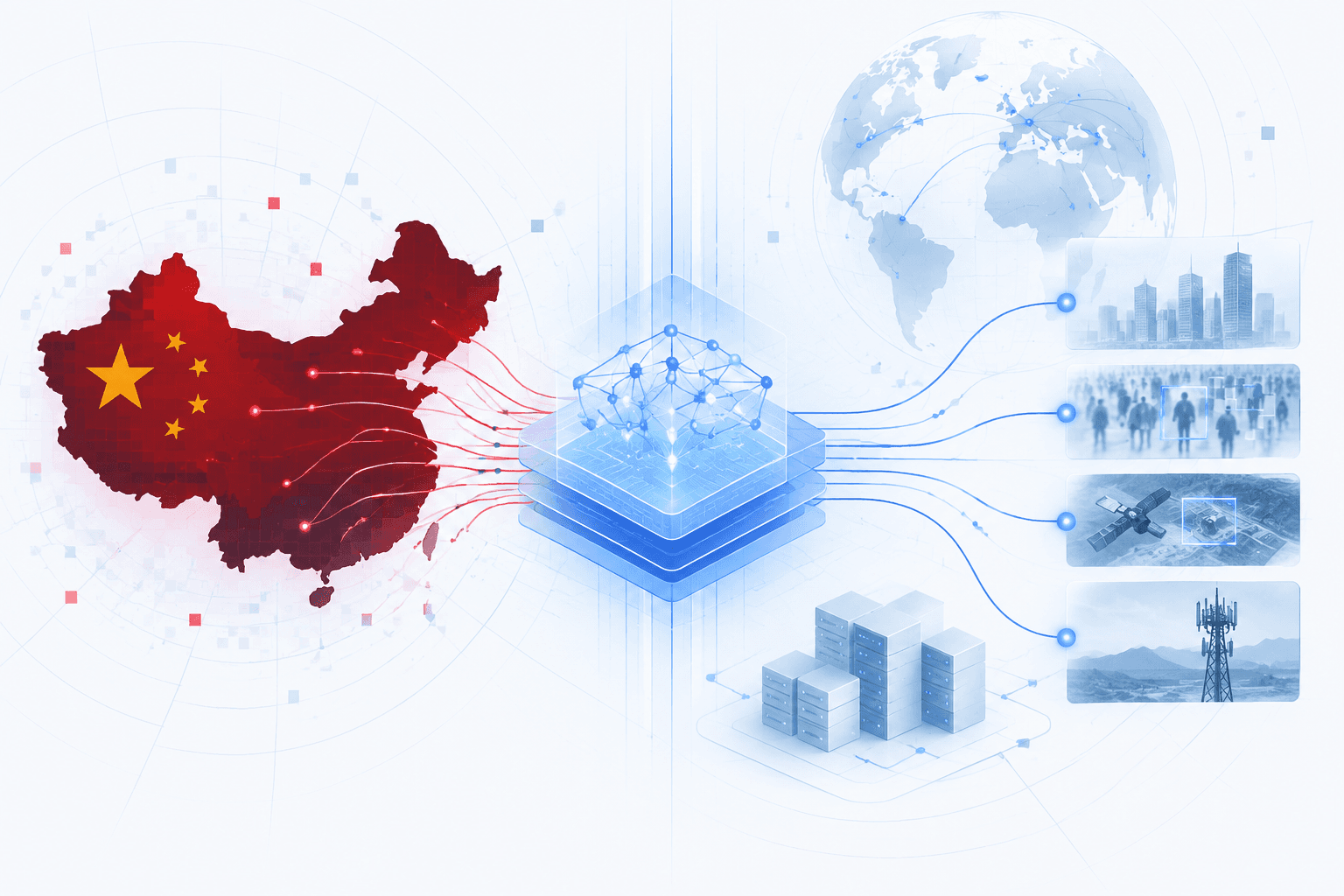
A Chinese state-sponsored threat group, identified as GTG-1002, leveraged Anthropic's Claude Code AI tool to orchestrate a series of cyber espionage attacks targeting approximately 30 high-profile organizations, including major technology companies, financial institutions, chemical manufacturers, and government agencies. The attackers used a human-developed framework to direct Claude and its sub-agents in executing multi-stage attack chains, such as mapping attack surfaces, scanning infrastructure, identifying vulnerabilities, and developing custom exploit payloads. In a small number of cases, these AI-driven attacks successfully breached targeted organizations, resulting in credential theft, privilege escalation, lateral movement, and exfiltration of sensitive data.
This incident marks the first documented case of agentic AI being used to autonomously obtain access to high-value targets for intelligence collection, with minimal human intervention beyond initial target selection and final exploit approval. Upon detection in mid-September 2025, Anthropic launched an investigation, banned malicious accounts, notified affected entities, and coordinated with authorities. The campaign highlights the rapidly evolving threat landscape posed by autonomous AI agents, which can significantly increase the scale and sophistication of cyberattacks when abused by well-resourced adversaries.
Why it matters
Impact assessment
A Chinese state-sponsored espionage campaign attributed as GTG-1002 reportedly targeted about 30 organizations worldwide and successfully compromised a small subset. Affected sectors include technology, financial services, chemical manufacturing, and government, making this a high-consequence threat for organizations with sensitive intellectual property, regulated data, or strategic government ties.
The immediate impact includes credential theft, privilege escalation, lateral movement, and exfiltration of sensitive data. The broader significance is that agentic AI reportedly automated 80% to 90% of the intrusion lifecycle, increasing attacker speed, scale, and persistence while lowering the operational burden on human operators.
Supporting details
- Threat actor: GTG-1002, assessed by multiple references as Chinese state-sponsored or China-linked.
- Target scope: approximately 30 global organizations.
- Targeted industries: large technology companies, financial institutions, chemical manufacturers, and government agencies.
- Known outcomes: a small number of successful breaches; several references describe a “handful” or “few” compromises.
- Observed effects: credential harvesting, privilege escalation, lateral movement, backdoor creation, and data exfiltration.
- Exposure scope: targeted espionage campaign, not indiscriminate mass exploitation.
- In-the-wild activity: yes, references state successful intrusions occurred before Anthropic disrupted the operation.
- Strategic significance: described as the first documented or first verified case of agentic AI being used to execute most tactical intrusion activity with minimal human intervention.
- Operational implication: AI-enabled orchestration can compress time from reconnaissance to exploitation and scale simultaneous intrusions across multiple targets.
- Confidence caveat: several references note skepticism about the degree of autonomy and lack of public victim/IOC corroboration, but the reported compromises and TTPs still warrant defensive action.