Chinese Open-Weight AI Models Trigger US Security and Strategic Competition Concerns
Emerging Technology Risk · 4 sources · Updated 2mo ago · First seen Sep 18, 2026
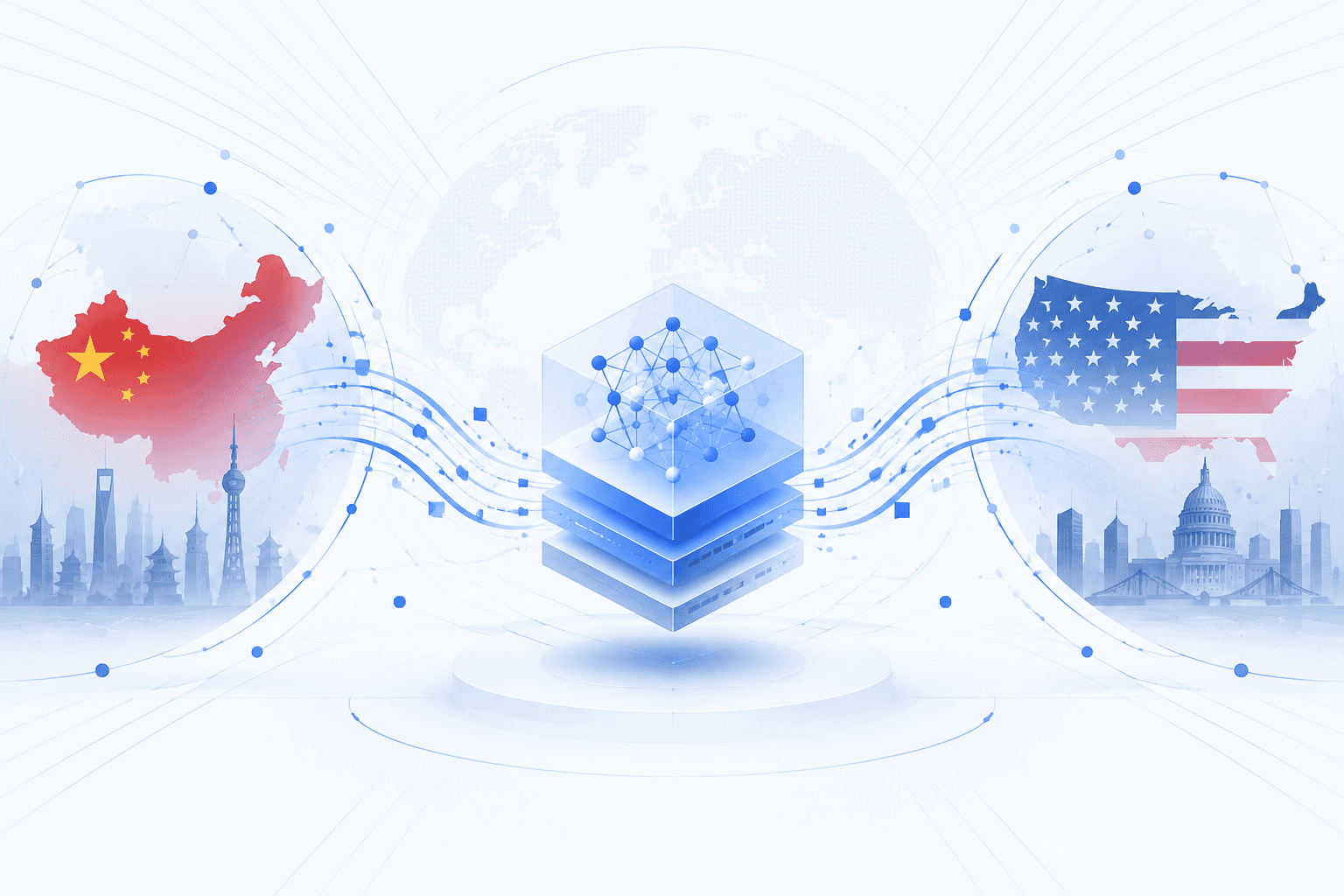
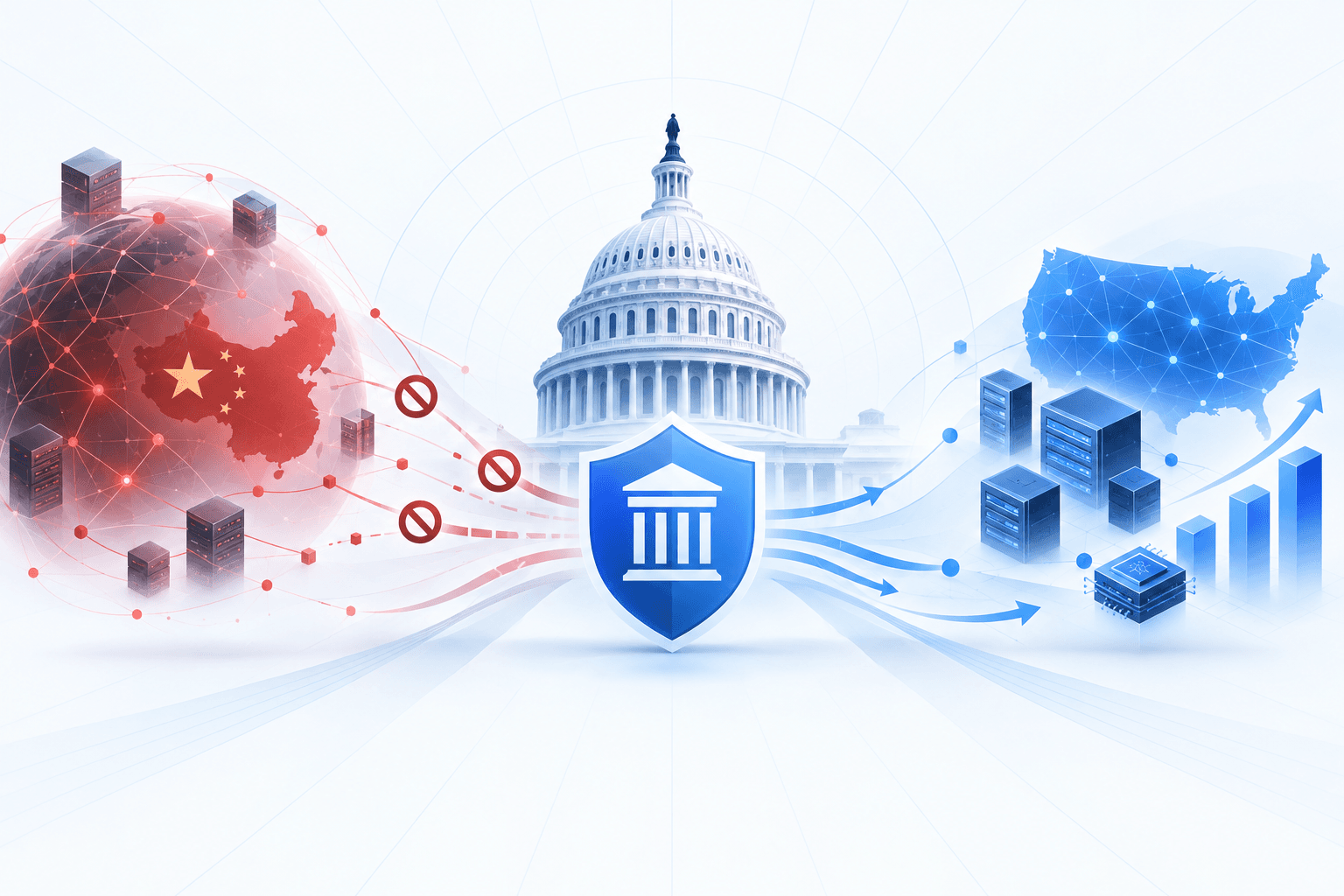
A U.S. government website used a Chinese AI model that the FBI had characterized as malicious, intensifying a policy debate over whether federal agencies and other U.S. users should be restricted from using Chinese open-source models. Some lawmakers regard their adoption as a national-security risk, while business users and Chinese officials oppose restrictions. Concerns extend beyond direct security exposure to censorship, privacy, supply-chain dependency, and Chinese influence over emerging AI standards.
The U.S.-China Economic and Security Review Commission warned that China’s state-backed open-weight strategy creates reinforcing advantages: broad developer adoption generates rapid iteration, while deployment across manufacturing, logistics, robotics, and IoT produces proprietary operational data that improves models. Chinese ecosystems such as Alibaba’s Qwen, which has exceeded 100,000 derivatives on Hugging Face, are gaining users partly through low-cost offerings. U.S. export controls on leading training chips may limit frontier training but do not directly address smaller specialized models or the deployment-driven data advantage, amid worsening Chinese perceptions that U.S. AI-safety and export-control policies are intended to contain China.
Why it matters
Impact assessment
The immediate Federal Register deployment had low direct data-exposure risk: it used Qwen3 0.6B for search over public documents, was reportedly capable of local execution, and was removed on 17 September 2026. The broader risk affects federal agencies, regulated industries, and enterprises adopting Chinese open-weight models without provenance, hosting, data-flow, and supply-chain controls.
- No compromise, data exfiltration, malware delivery, or exploitation in the wild is reported.
- Material risks arise when a model is hosted by, updated from, or sends prompts, telemetry, embeddings, or retrieval data to infrastructure controlled by a Chinese provider or unverified intermediary.
- Organizations using Chinese-origin base models face potential privacy, censorship, software-supply-chain, vendor-dependency, interoperability, and standards-setting concerns.
- The U.S.-China Economic and Security Review Commission assesses that low-cost Chinese open models are achieving broad adoption, including Alibaba Qwen's reported 100,000-plus Hugging Face derivatives. This increases the likelihood that downstream applications may use Chinese-origin weights or derivatives without clear asset ownership and provenance.
- The reported NIST finding that DeepSeek open models were more susceptible to cyber risks than comparable U.S. models warrants model-specific security testing, but the source provides no vulnerability identifiers, exploit paths, or affected DeepSeek versions.
Entities and affected technology
- Federal Register, administered by the U.S. National Archives
- Alibaba Qwen; specifically Qwen3 0.6B
- Other Chinese model providers cited: DeepSeek, Moonshot AI, MiniMax, and Z.ai
- Hugging Face model and derivative ecosystem
- Potentially affected deployments: locally hosted inference, managed AI APIs, retrieval/document-search systems, industrial AI, robotics, IoT, manufacturing, logistics, and smart-city environments