AiTM Phishing on Cloud Platforms Steals MFA Codes and Session Tokens
Social Engineering & Fraud · 2 sources · Updated 2mo ago · First seen Sep 16, 2026

Phishing operators are abusing trusted cloud-hosting services and decentralized networks to deploy credential-harvesting pages that evade conventional trust checks. Kaspersky identified nearly 400,000 phishing URLs on such infrastructure between July 2025 and June 2026, with pages.dev, vercel.app, and github.io among the most frequently abused hosting domains.
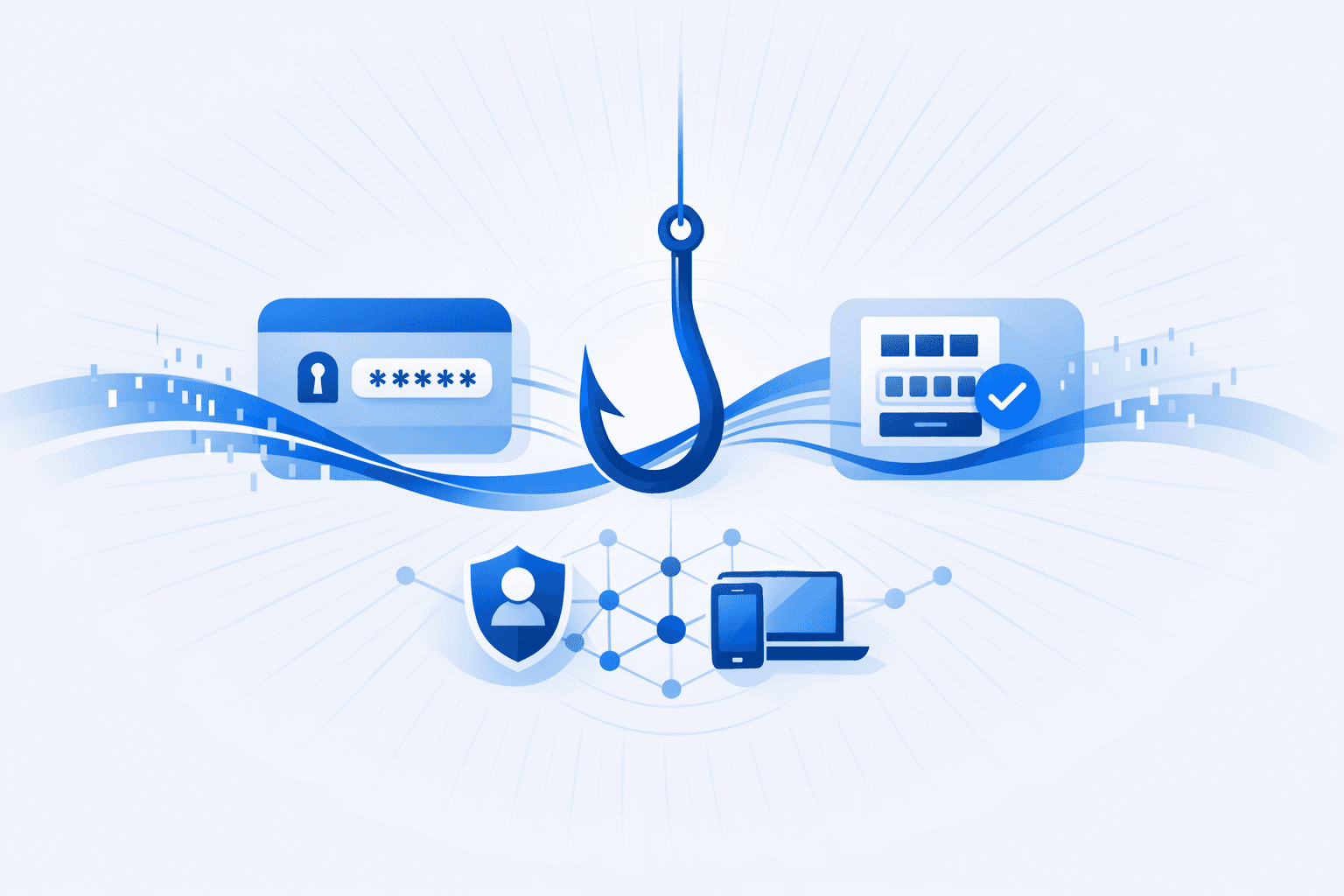
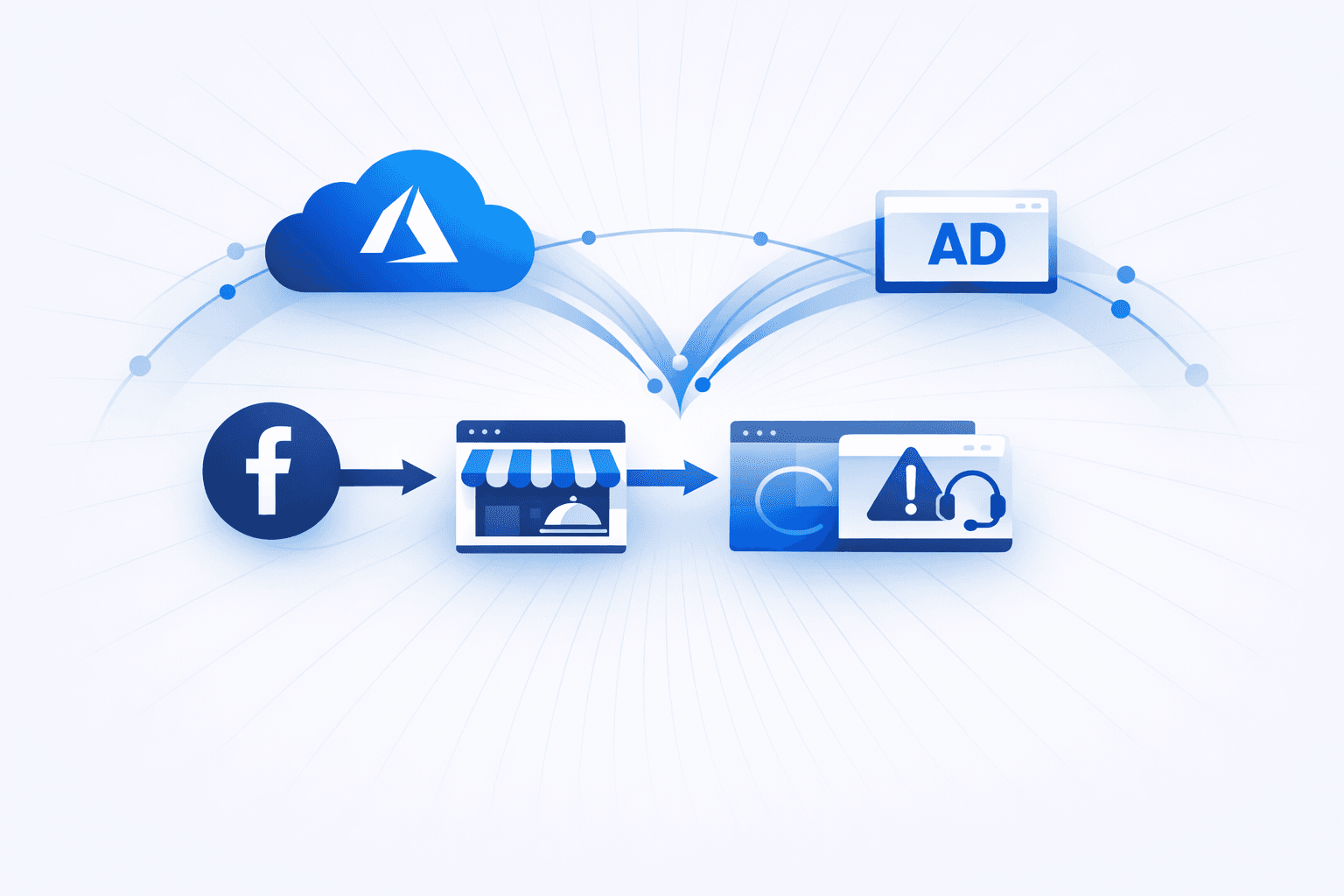
The campaigns combine adversary-in-the-middle (AiTM) proxying with browser-in-the-browser (BiTB) spoofing. A typical chain begins with a phishing email and compromised-site pseudo-CAPTCHA, then directs selected victims to a cloud-hosted transparent proxy that presents a fake browser window around a legitimate authentication flow. This enables attackers to capture passwords, MFA codes, and authenticated session tokens; organizations should layer phishing-link filtering, endpoint protection, and employee awareness measures.
Why it matters
Impact assessment
AiTM phishing hosted on legitimate cloud platforms enables theft of passwords, MFA codes, and authenticated session tokens, allowing attackers to take over cloud identities even where MFA is enabled. Organizations using Microsoft identity services and other web-based SSO applications are exposed, particularly users targeted through work-themed email lures.
- Scope: Kaspersky identified nearly 400,000 phishing URLs on cloud platforms and decentralized networks from July 2025 through June 2026, indicating broad and scalable abuse rather than a single targeted operation.
- Business impact: Session hijacking can enable unauthorized access to corporate SaaS, email, documents, and internal applications; this creates material risks of data theft, fraud, follow-on lateral movement, operational disruption, and reputational damage.
- Affected infrastructure: Trusted hosting domains make user-driven inspection and domain-reputation controls less effective. Broad blocking can also disrupt legitimate services hosted on
pages.dev,vercel.app, andgithub.io. - Exploitation status: The source documents active phishing activity and a documented credential-and-session-token theft chain. It does not identify named victim organizations or confirmed post-compromise incidents.
Supporting facts
- Frequently abused hosting domains:
pages.dev,vercel.app, andgithub.io. - Other abused platforms: Cloudflare Workers, Netlify, GitHub Pages, Vercel, Wix, and Webflow.
- Decentralized hosting abuse includes IPFS, accessed through gateways such as
dweb.linkandipfs.io. - Stolen session tokens can permit access to an active authenticated session without a new password or MFA challenge.