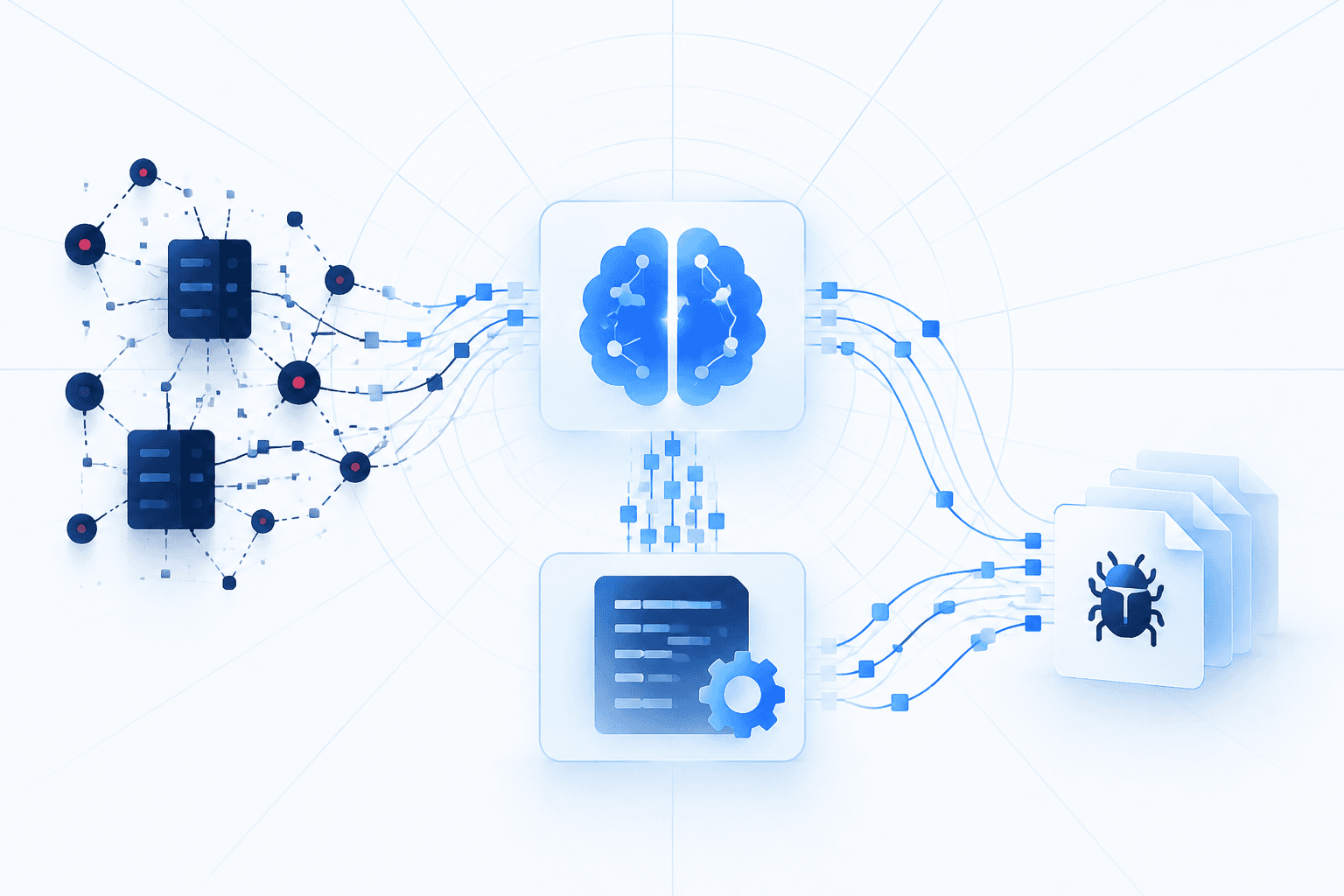
Midnight Blizzard Used Claude Agents to Automate Malware Evasion
Threat Actor Intelligence · 5 sources · Updated 3mo ago · First seen Sep 11, 2026
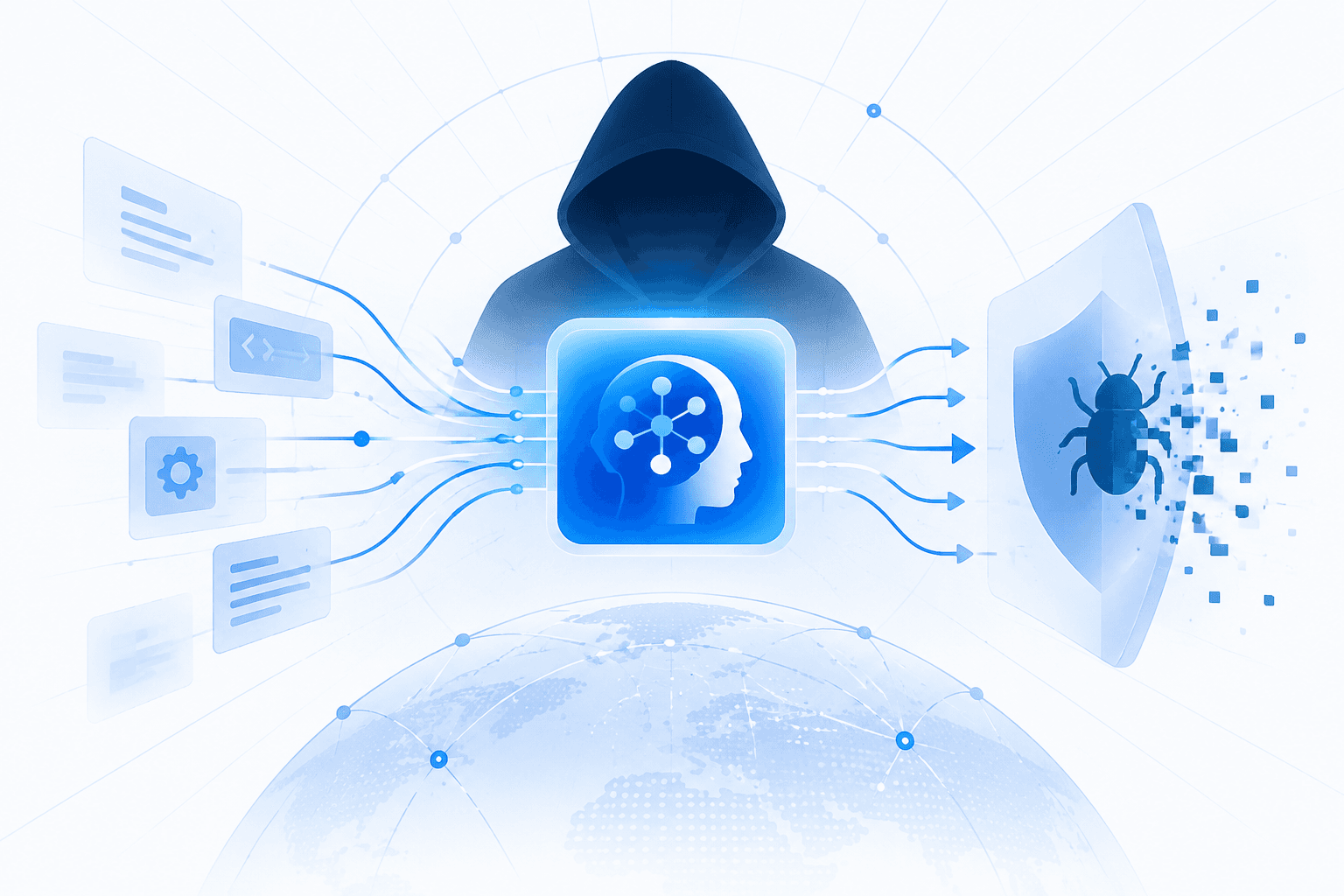
Anthropic said it disrupted an AI-enabled cyberespionage campaign, tracked as GTG-20006 and assessed as consistent with Russian state-linked Midnight Blizzard, that operated from December 2025 through August 2026. The operators allegedly used Claude agents to automate reconnaissance, phishing, exploitation, lateral movement, data theft, and an iterative malware-evasion loop: testing tools against security products, modifying and rebuilding detected code, then redeploying it. More than 20 government, defense, intelligence, diplomatic, think-tank, drone-industry, hospitality, and surveillance targets across Ukraine, Europe, the Middle East, Asia, and North Africa were reportedly targeted; theft included drone-maker mailboxes and a proprietary drone-vision SDK. Reported activity also included DNS hijacking via hotel Wi-Fi vendors and WhatsApp-account takeovers.
Anthropic said other disrupted abuse included ShinyHunters-associated credential harvesting and Android-package analysis, a SaaS supply-chain intrusion affecting more than 200 downstream organizations, suspected Chinese-linked exploit research, and politically motivated theft and doxxing. The company warned that AI API keys, session tokens, and AI-integrated services are increasingly valuable targets because stolen access can be resold, provide victim-funded compute, and obscure attacker attribution. Anthropic banned involved accounts, strengthened misuse controls, and shared relevant indicators with law enforcement and industry partners.
Why it matters
Impact assessment
Anthropic reports a sustained, AI-enabled espionage campaign attributed by tradecraft and targeting to Russian state-linked Midnight Blizzard (GTG-20006), active from December 2025 through August 2026. The campaign affected more than 20 government, defense, intelligence, diplomatic, think-tank, hospitality, surveillance, and drone-industry organizations, primarily in Ukraine and Europe, with additional targeting in the Middle East, Asia, and North Africa.
- Severity is high: reported outcomes include cloud-email theft, surveillance of live camera streams, WhatsApp conversation theft, theft of drone-manufacturer mailboxes and a proprietary drone-vision SDK, and theft of more than 300,000 national identity records and commercial-registry data for more than 500,000 companies.
- Operational risk is elevated because the actor reportedly automated malware testing, modification, rebuilding, and redeployment after security-product detections. This reduces the useful lifetime of static signatures and increases the cadence of intrusion attempts.
- Exposure is targeted rather than indiscriminate, but compromised hotel Wi-Fi providers created a wider victim pool by exposing connected guests to DNS redirection and cross-platform malware delivery.
- The disclosure describes confirmed compromises and exfiltration in the wild. Anthropic disrupted associated Claude accounts and shared intelligence with authorities, industry partners, and victims.
Related threat exposure
- Anthropic also reported ShinyHunters-associated activity involving 1.8 million Android APKs scanned for embedded secrets, theft of more than 2,100 Azure AD authentication-token sets across over 40 Microsoft tenants, and a SaaS-provider breach affecting about 200 downstream customers.
- This reinforces the need to treat AI API keys, session tokens, GitHub personal access tokens, and secrets embedded in mobile applications as production credentials with potential supply-chain impact.