Study Finds Critical Access-Control and Injection Flaws in Vibe-Coded Applications
Emerging Technology Risk · 2 sources · Updated 3mo ago · First seen Sep 9, 2026
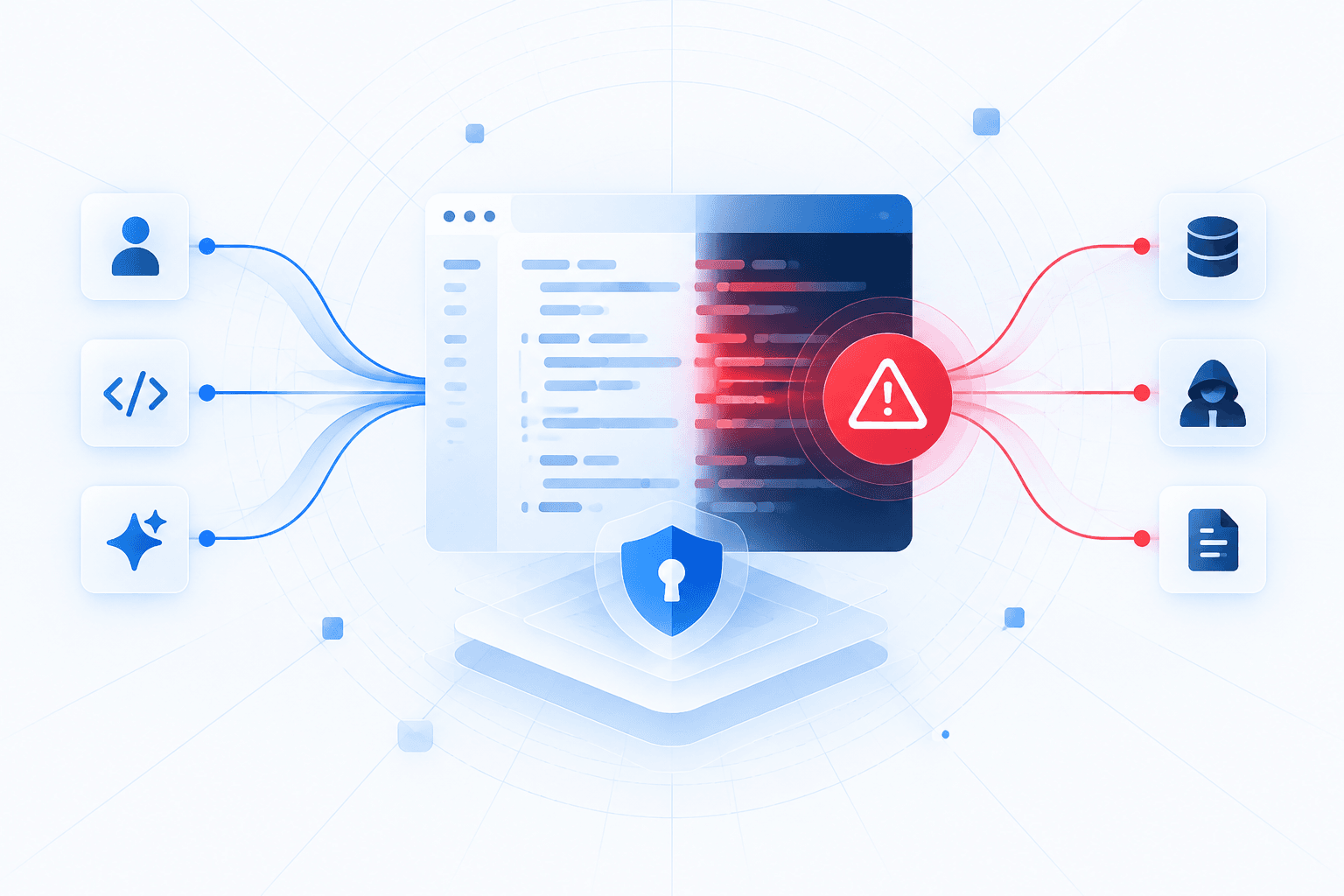
Researchers examined 9,041 open-source applications built with Claude Code and Lovable, plus 200 publicly deployed applications, and identified 1,186 vulnerabilities. Their audit found that 91% of deployed applications had at least one flaw and that 65.77% of identified issues were Critical or High severity, led by broken access control, injection vulnerabilities, and authentication failures. The study attributes recurring defects to eight failure modes involving AI-agent memory, objectives, and knowledge; stronger prompts and agent harnesses reduced, but did not eliminate, exposure.
The findings align with reported failures in AI-generated applications, including CVE-2025-48757 (CVSS 9.3), where Lovable applications using Supabase could expose database tables without authentication when Row Level Security policies were absent. Organizations adopting AI coding agents should enforce human security review, automated application testing, secret scanning, least-privilege authorization, and explicit database access controls before deployment; they should also treat coding assistants and their dependencies as potential supply-chain and prompt-injection targets.
Why it matters
Impact assessment
AI-developed applications, particularly those produced with Claude Code and Lovable, face material exposure to unauthorized data access, data modification, credential disclosure, and injection-driven compromise when deployed without independent security review. The cited study assessed 9,041 open-source applications and 200 public deployments, reporting that 91% of audited applications had at least one vulnerability and 65.77% of findings were Critical or High severity.
Affected population and severity
- Organizations deploying applications substantially generated through natural-language interactions with AI coding agents.
- Highest-risk deployments include public-facing web applications, Lovable applications backed by Supabase, applications with client-side database configuration, and projects that bypass conventional development and security review.
- Primary business impacts include exposure of customer or internal records, unauthorized database writes, account compromise, fraud through exposed payment-service keys, remote code execution through injection flaws, and regulatory/reputational damage following PII disclosure.
- Exposure is potentially widespread across the rapidly growing population of AI-generated applications, rather than limited to a named victim set. The study does not identify confirmed exploitation of the surveyed applications in the wild.
Evidence quality
- The arXiv paper provides the principal quantitative findings, but it is research rather than a vendor advisory.
- Several additional statistics in the referenced article, including claims attributed to Escape.tech and some iterative-generation studies, are explicitly described as lacking publicly verifiable methodology. Do not use those figures for risk quantification without independent validation.