Mallory
← Back to News
cybersecurity-regulationcritical-infrastructure-threattelecommunications-sector-threatgovernment-diplomatic-threat

Russia Mandates Stronger Data-Center Defenses Amid Drone Threats

Regulatory & Policy · 3 sources · Updated 3mo ago · First seen Sep 4, 2026

Russia Mandates Stronger Data-Center Defenses Amid Drone Threats

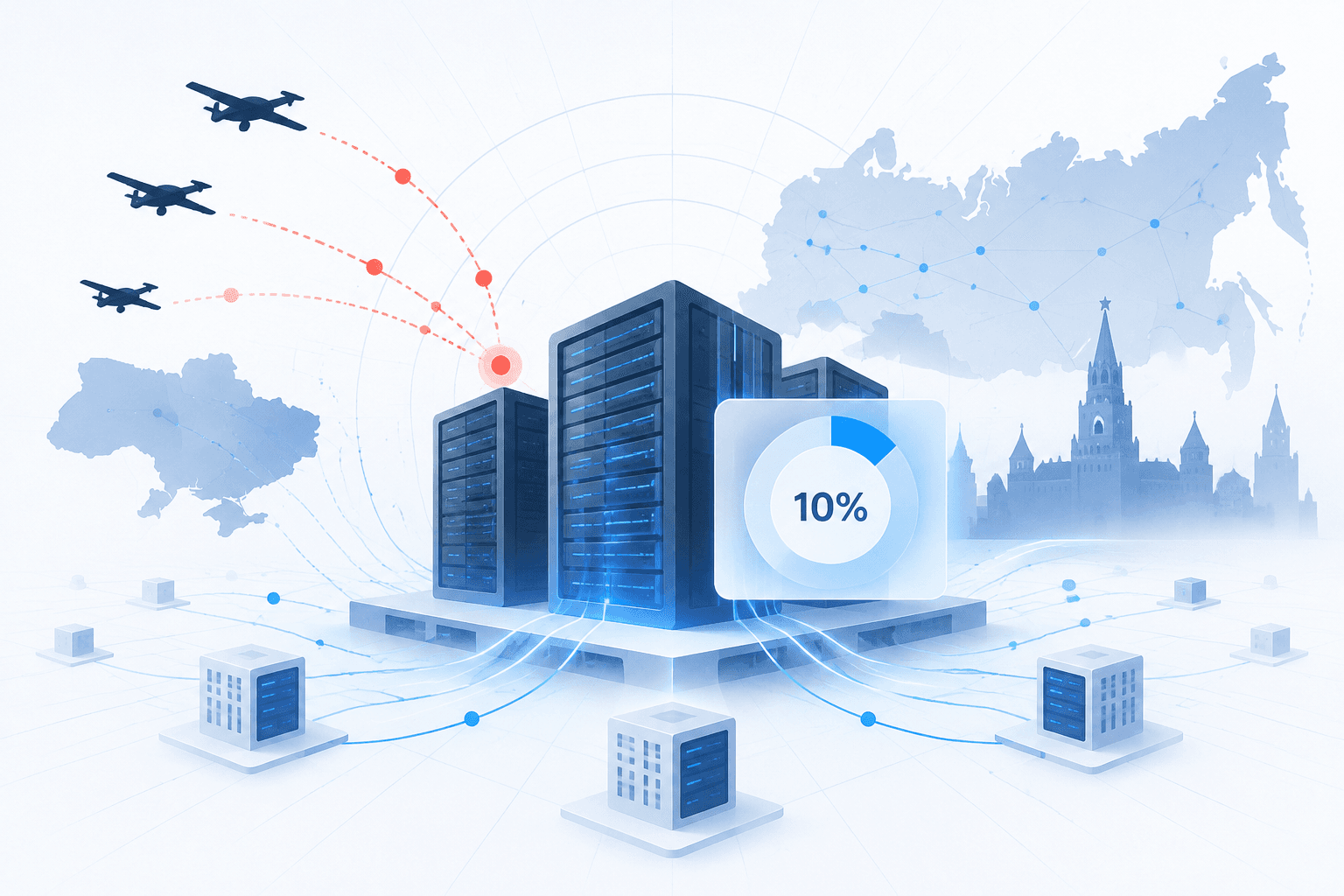
A late-August presidential decree enables Russian authorities to temporarily assume control of critical infrastructure deemed inadequately protected, driving data-center operators to expand physical and cyber defenses. The requirements affect critical sectors including energy, telecommunications, transport and utilities, and reportedly extend to facilities serving government agencies, banks and major service providers.

Operators are expected to harden exposed engineering equipment, establish backup communications, improve DDoS protections and strengthen software-vulnerability management. Russia's data-center capacity is heavily concentrated around Moscow and St. Petersburg—areas increasingly within reach of Ukrainian long-range drones—while the new measures are expected to increase operating costs amid a conflict that has already caused physical and cyber disruption to Ukrainian and Russian digital infrastructure.

Why it matters

Impact assessment

Russia’s critical-infrastructure operators, particularly data centers supporting government, banking, telecommunications, and major service providers, face increased operational, regulatory, and physical-security exposure. The immediate impact is higher capital expenditure and possible service-cost increases; a successful UAV strike or cyber disruption could cause regional connectivity loss, customer-service outages, and disruption to essential services.

  • Russian Presidential Decree No. 604 permits temporary state administration when critical-infrastructure operators do not meet protection requirements or recover too slowly after incidents.
  • The highest exposure is in European Russia: approximately 80–90% of commercial data-center capacity is concentrated around Moscow and St. Petersburg, areas increasingly exposed to Ukrainian long-range UAV operations.
  • Facilities were not historically designed to resist aerial attack. External generators, cooling systems, and communications nodes are specifically exposed to blast, debris, and related physical damage.
  • Known disruption demonstrates the operational consequences of conflict-related attacks: a July strike on a Kyiv data center caused local internet providers to fully or partially suspend service. A January 2024 cyberattack against a Ukrainian data-center facility disrupted customers of state-owned companies.
  • The story does not report confirmed exploitation of a new software vulnerability or a confirmed UAV attack against a Russian data center.

Structured facts

  • Affected sectors: fuel and energy, industry, communications, transport, utilities, energy, life-support services.
  • High-priority user populations: Russian government agencies, banks, federal operators, major service providers, and their data-center customers.
  • Entity names: Russian Presidential Administration; Rosimushchestvo; RUVDS; CorpSoft24; RTK-DC/Rostelecom; BCS; Veta.
  • Geographic concentration: Moscow region and Saint Petersburg; 181 Russian data centers reported as of February.
  • Business consequences: mandated resilience investment, potential temporary state control, elevated operating costs, and likely uneven price increases concentrated in critical telecommunications, government, and financial hosting environments.
What this changes for youSee the reporting duties and controls this puts on the clock.
Get the context
Event timeline

How this story unfolded

Events from the most recent confirmed update back to the earliest known activity.

6 events · 2023 – Aug 24, 2026
  1. Reported Sep 4, 20263mo ago

    Russian data centers begin strengthening defenses under new rules

    Russian media reported that the new security requirements affect data centers serving government agencies, banks, and major service providers. Some operators began hardening external engineering equipment and planned backup communications, stronger DDoS protections, and improved software-vulnerability management.

    Russian data centers face new security requirements amid Ukraine's drone threats | The Record from Recorded Future News
  2. Reported Sep 4, 20263mo ago

    Strike damages major Kyiv data center

    A strike damaged a major data center in Kyiv, causing several local internet providers to fully or partially suspend operations.

    Russian data centers face new security requirements amid Ukraine's drone threats | The Record from Recorded Future News
  3. Reported Sep 4, 20263mo ago

    Authorities install anti-drone netting frameworks around Moscow power assets

    Russian authorities reportedly began installing metal frameworks to support anti-drone netting around electrical infrastructure in Moscow, including a major substation in eastern Moscow.

    Russian data centers face new security requirements amid Ukraine's drone threats | The Record from Recorded Future News
  4. Aug 24, 20263mo ago

    Putin authorizes temporary control of inadequately protected infrastructure

    President Vladimir Putin signed Decree No. 604, allowing the Russian government to temporarily take control of critical infrastructure whose operators fail to provide adequate protection, including from drone attacks. The decree covers energy, telecommunications, transport, and utilities infrastructure.

    Russian data centers face new security requirements amid Ukraine's drone threats | The Record from Recorded Future News
  5. Jan 2024

    Cyberattack disrupts customers of Ukrainian data-center facility

    A cyberattack on a Ukrainian data-center facility serving several state-owned companies disrupted its customers' operations.

    Russian data centers face new security requirements amid Ukraine's drone threats | The Record from Recorded Future News
  6. 2023

    Companies consider relocating data from Moscow-area facilities

    Russian media reported that some companies considered moving data from facilities around Moscow to sites east of the Ural Mountains, partly because of drone threats.

    Russian data centers face new security requirements amid Ukraine's drone threats | The Record from Recorded Future News
Do you run this?See what this changes for your reporting obligations and which controls it puts on the clock.
Get the Regulatory Context
Mallory platform

See the full picture, correlated to your attack surface.

This page covers what’s public. Mallory adds the parts that aren’t: which of your assets are affected, which threat actors are using it right now, and what to deploy next.

Exposure mappingMap indicators from this story to your assets and identify affected systems in minutes.
Threat actor evidenceEvery observed campaign, victim, and pivot linked to actors named in this story.
Associated malwareMalware, exploits, and IOCs connected to the activity described here.
Detection signaturesYARA, Sigma, and Snort rules deployed to your SIEM as soon as they’re published.
Scheduled alertsGet matching new stories delivered to your team as they break, not the next morning.
AI threadsAsk questions about this story and take action on the answers.