Residential Proxy Networks Abused to Conceal Crime and Deliver Malware
Threat Actor Intelligence · 2 sources · Updated 3mo ago · First seen Sep 4, 2026
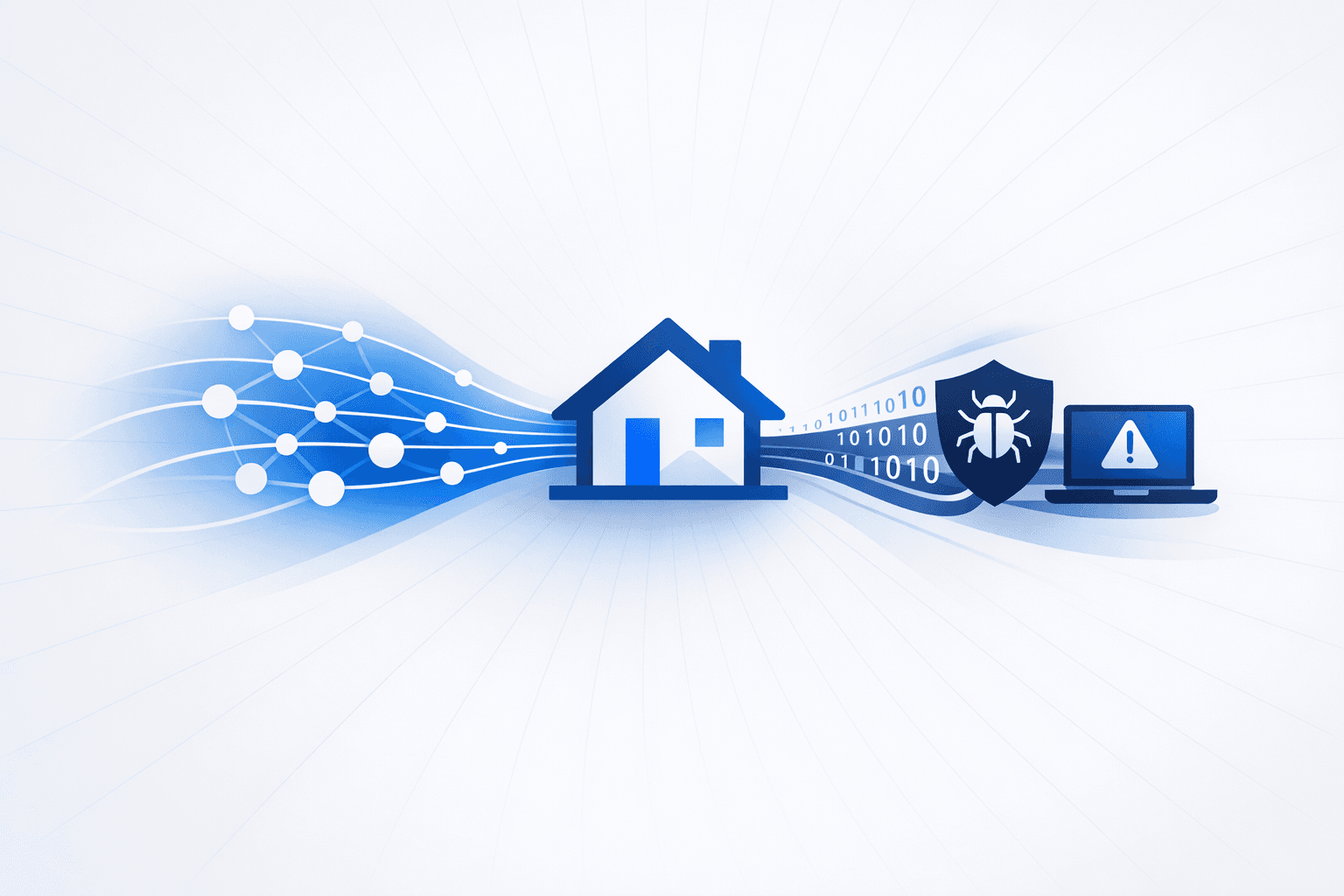
The FBI warned that cybercriminals are abusing residential proxy networks to mask their identities and relay malicious traffic through consumer and small-business internet connections. Devices may join these networks through SDK partnerships and bandwidth-sharing applications, deceptive “free” VPN terms, malware and backdoors, or compromised IoT devices. The proxy infrastructure can obscure command-and-control traffic and support phishing, account takeover, brute-force attacks, data exfiltration, fraud, spam, and illicit-market operations.
A report titled “SuperProxy: How Residential Proxy Networks Have Become Malware Delivery Platforms” also identifies residential proxy services as infrastructure for malware delivery. Organizations should restrict unvetted software and bandwidth-sharing tools, promptly patch systems, segment and monitor networks, enforce device and firewall controls, and report suspected compromise to the FBI’s IC3.
Why it matters
Impact assessment
Residential proxy abuse affects consumers, small businesses, and enterprises whose endpoints or IoT devices can be enrolled as traffic relays, as well as organizations defending public-facing services against fraud and credential attacks. Impact includes unauthorized bandwidth use, reputational and legal exposure from criminal traffic appearing to originate from owned IP space, malware persistence, data exfiltration, and increased account-takeover risk.
- Scope: Broad and opportunistic. Consumer, small-business, and IoT IP addresses can be incorporated with or without meaningful owner consent.
- Affected device categories: Routers, smartphones, tablets, streaming devices, digital picture frames, projectors, Android TV boxes, and aftermarket vehicle infotainment systems.
- Business impact: Residential-origin traffic and geographically local IP rotation can weaken IP-based fraud controls, rate limits, account-lockout protections, and geo-anomaly detections.
- Known activity: The FBI states that criminals use residential proxies for C2 concealment, phishing, identity theft, credential-stuffing and account-takeover activity, brute-force attacks, spam, fraud, illicit-market operations, and data exfiltration. The supplied material identifies no specific victim organization, malware family, or confirmed intrusion campaign.
- Attribution risk: Traffic from an enrolled device is attributed externally to the owner’s residential or small-business IP address, potentially implicating that owner in malicious activity.
Structured facts
- Entity: FBI
- Advisory: Public Service Announcement I-031226-PSA, "Evading Residential Proxy Networks: Protecting Your Devices from Becoming a Tool for Criminals"
- Advisory date: March 12, 2026
- Referenced report: "SuperProxy: How Residential Proxy Networks Have Become Malware Delivery Platforms"
- CVEs: None disclosed
- IOCs: None disclosed
- Named threat actors or malware: None disclosed