Residential Proxy Networks Fuel Abuse and Expose Home and Enterprise Users
Threat Actor Intelligence · 4 sources · Updated 5mo ago · First seen Jun 11, 2026

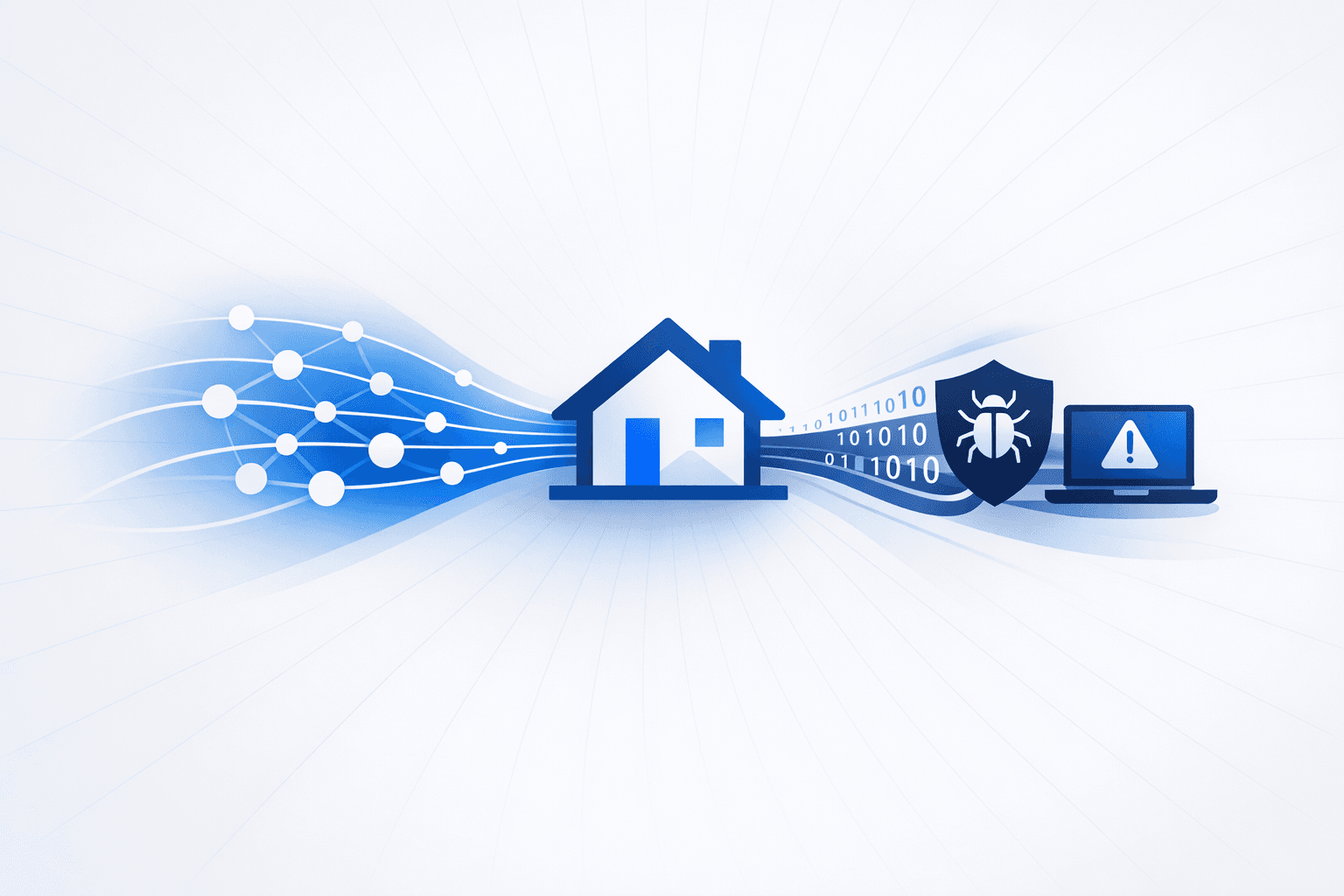
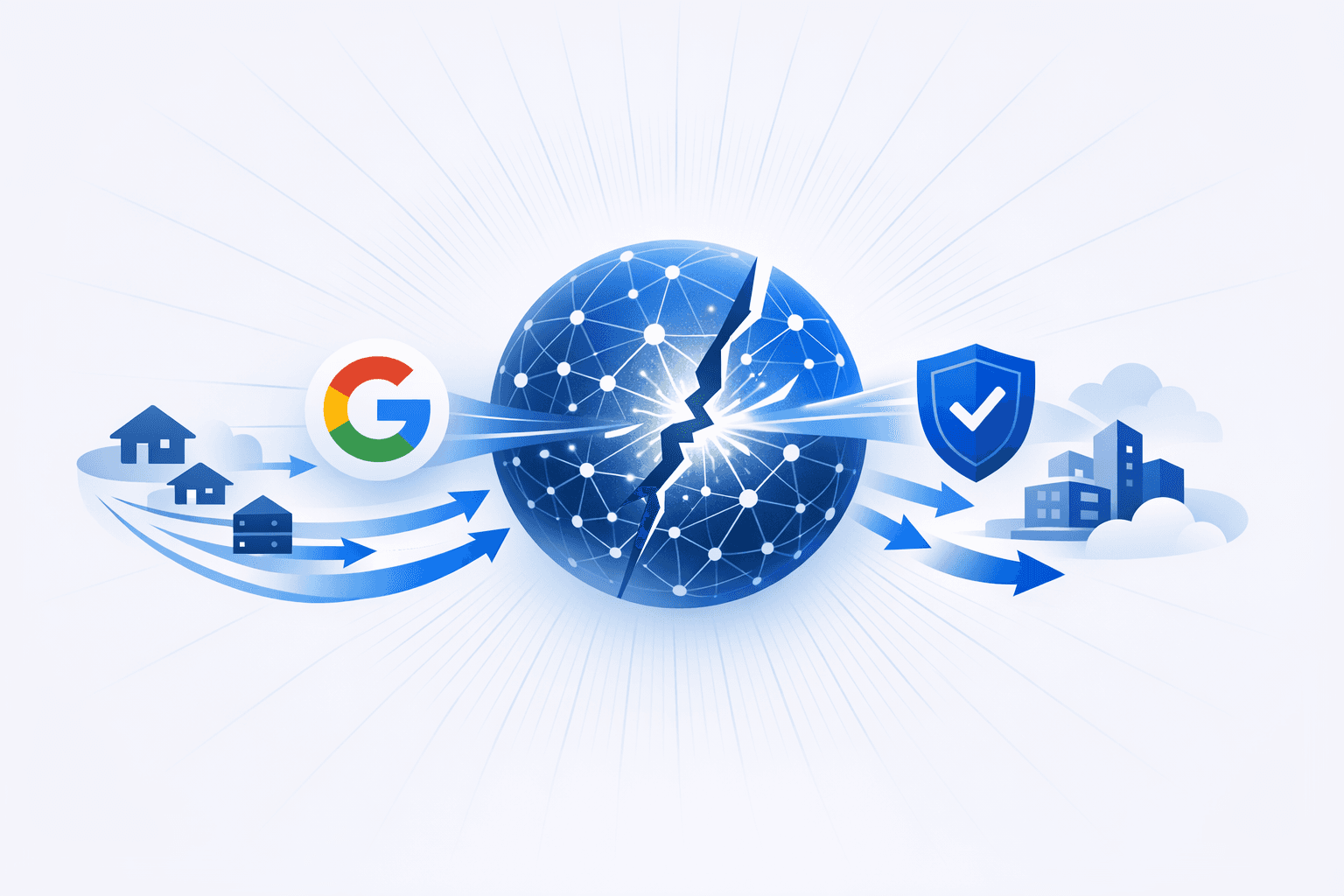
Security researchers reported that residential proxy networks are increasingly being used to route malicious traffic through legitimate home internet connections, helping attackers evade IP reputation controls while making abuse appear to come from ordinary consumers and organizations. Infoblox said more than 65% of its cloud customers queried domains tied to residential proxy services in 2026, with monthly DNS traffic rising from roughly 300–400 billion queries in early 2025 to more than 500 billion by April 2026, affecting every industry vertical examined, including healthcare, pharmaceuticals, banking, government, electronics, food and beverage, and industrial sectors. The company also observed no meaningful drop after disruption efforts against IPIDEA, and recorded a 265% single-day spike in queries to ipinfo[.]ipidea[.]io on January 23.
Separate telemetry from Gen Digital linked residential proxy traffic to 7.4 million malicious incidents affecting 572,000 users since January 2026, with notable concentration in India, Vietnam, and Brazil. Researchers said devices are often enrolled through pay-for-bandwidth apps, free VPNs, browser extensions, bundled SDKs, preinstalled Android TV software, IoT devices, malware, and potentially unwanted applications, sometimes without clear user consent. The reports warn that these networks are being used for phishing, credential stuffing, account takeover, ad fraud, scams, scraping, and reconnaissance, while shifting legal, reputational, and performance risks onto households and enterprises whose IP addresses become exit nodes. Recommended mitigations include Protective DNS, DNS log reviews, auditing apps and browser extensions for embedded proxy components, inspecting connected devices, and removing unknown or suspicious software.
Why it matters
Impact assessment
Residential proxy activity is widespread across both consumer and enterprise environments and affects every industry vertical cited, including healthcare, pharmaceuticals, banking, government, electronics, food and beverage, industrial, and education. The impact is operational and reputational: attackers route phishing, credential stuffing, account takeover, ad fraud, scraping, and reconnaissance through legitimate residential or corporate IP space, undermining IP-based trust controls and shifting abuse attribution to victims.
Exposure appears broad rather than narrowly targeted. Infoblox reported more than 65% of its cloud customers queried residential proxy-related domains in 2026, with at least 40% of customers in every examined sector affected and over 90% in pharmaceutical and food and beverage. Gen Digital linked residential proxy traffic to 7.4 million malicious incidents affecting 572,000 users since January 2026, and Google Threat Intelligence reportedly found more than 550 criminal and state-backed groups using IPIDEA during a seven-day period.
Supporting facts
- Affected populations:
- Home users with routers, modems, streaming devices, smartphones, tablets, digital picture frames, Android TV devices, and IoT devices.
- Enterprises whose endpoints, browser extensions, apps, or connected devices may participate in proxy networks.
- Industries explicitly cited: healthcare, pharmaceuticals, banking, government, electronics, food and beverage, industrial, and education.
- Severity:
- Abuse routed through victim IPs can trigger fraud checks, platform bans, ISP abuse notices, law-enforcement attention, and reputational damage.
- Proxy-enabled compromise can create broader security risk, including internal network probing, credential theft, and possible ransomware deployment.
- Continuous third-party traffic can degrade performance, consume bandwidth, and increase operational noise for defenders.
- Scope:
- Infoblox observed monthly DNS traffic to proxy-related domains rise from roughly 300-400 billion in early 2025 / January 2025 to more than 500 billion by April 2026.
- Researchers estimated 100 million to 200 million residential proxy exit points globally.
- GreyNoise logged 4 billion malicious sessions over a 90-day period, with nearly 40% of attacking addresses traced to residential connections and 78% of those not visible to traditional blocklists.
- Exploitation in the wild:
- Yes. Reported abuse includes phishing, malicious advertising, scams, credential stuffing, account takeover, ad fraud, scraping, reconnaissance, and automated account creation.
- IPIDEA was reportedly used by hundreds of criminal and state-backed groups from China, North Korea, Iran, and Russia.