Mallory
← Back to News
business-email-compromiseidentity-impersonation-fraudvoice-social-engineeringfinancial-sector-threat

Phantom Deal Fraud Uses Fake M&A NDAs to Divert €626,735 Wire Transfer

Social Engineering & Fraud · 4 sources · Updated 3mo ago · First seen Sep 2, 2026
Phantom Deal Fraud Uses Fake M&A NDAs to Divert €626,735 Wire Transfer

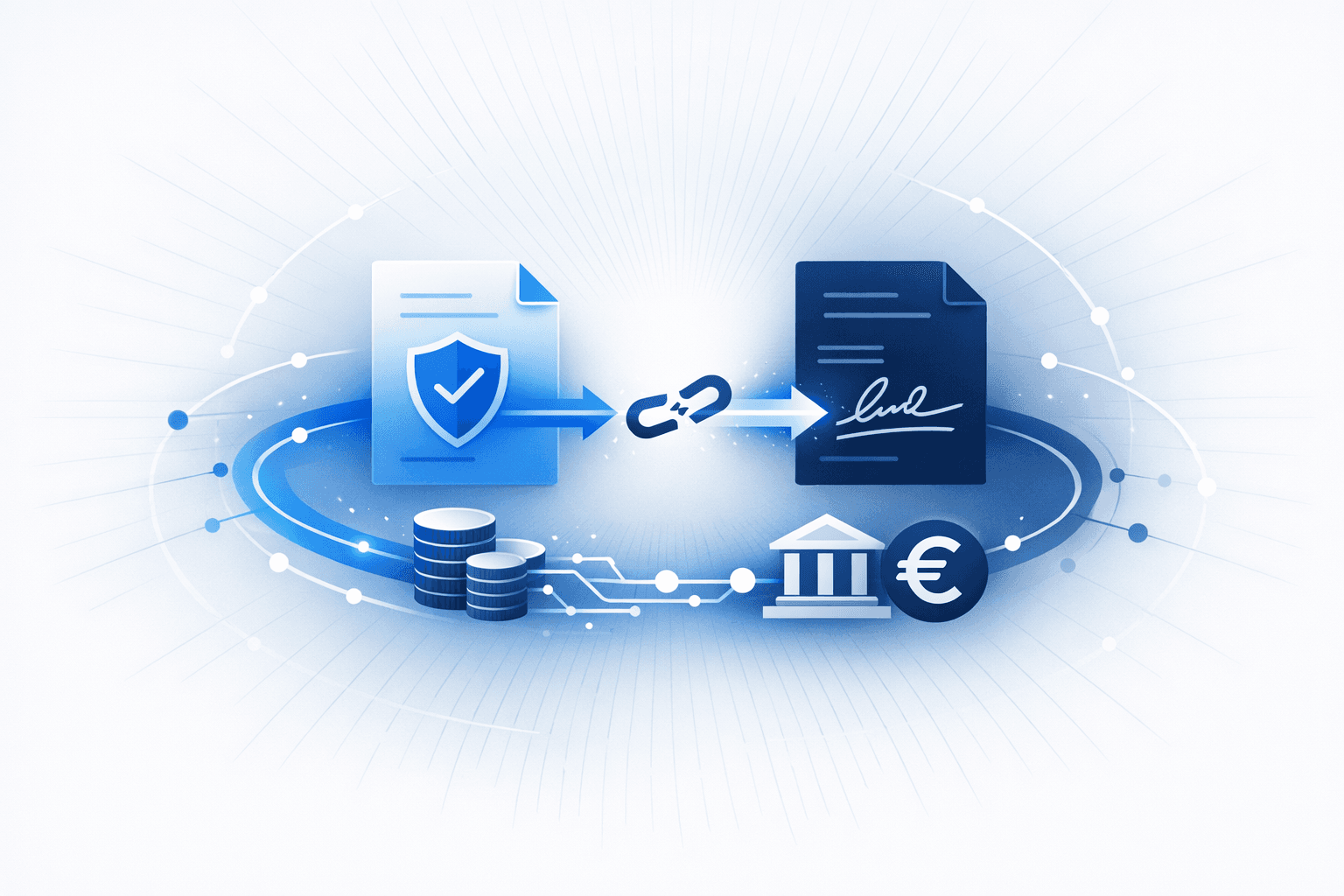
Researchers uncovered Phantom Deal, an M&A-themed business-email-compromise and advance-payment fraud campaign that impersonates executives and advisers to manufacture confidential acquisition transactions. In an attempted theft targeting Gen Digital's legal team, operators used WhatsApp, personal email, realistic corporate details, and a forged PwC-branded non-disclosure agreement to pressure Avast Software s.r.o. into wiring €626,735.45 to a Hong Kong company. The targeted employee identified an inconsistency in the impersonator's voice and did not send funds.

The attackers sought to isolate the employee from normal corporate channels, weaponizing deal secrecy to bypass legal, finance, treasury, compliance, and corporate-development review. During a controlled engagement, Gen researchers recorded repeated accesses to a canary-linked false payment confirmation; the fraudsters also requested SWIFT MT103 and UETR payment-tracking details. Analysis linked the operation to four additional targets and a reusable toolkit using PwC, KPMG, and Ogier branding, although investigators found no evidence that those firms were compromised or involved. Organizations should require independent out-of-band verification for executive-directed payments and confidential transaction requests.

Why it matters

Impact assessment

Phantom Deal targets legal, finance, treasury, compliance, corporate-development, and transaction personnel with authority or proximity to cross-border payments. The campaign can cause direct financial loss through fraudulent wires and can bypass normal controls by exploiting M&A confidentiality; the documented attempted loss was €626,735.45.

  • Affected populations: organizations conducting acquisitions, investments, professional-services engagements, or other confidential corporate transactions; observed target sectors include private equity, industrial finance, sales, mining, and energy.
  • Severity: high financial and operational risk. A successful payment can be rapidly moved or withdrawn, while disclosure of deal details or a failed control process can create legal and reputational consequences.
  • Scope: targeted rather than mass-distributed, but the reusable NDA templates and multiple adviser brands indicate a scalable campaign directed at senior transaction-facing personnel.
  • Exploitation status: the documented Gen Digital attempt was stopped before payment. Four additional targets were identified from related documents; no completed thefts are reported.
  • PwC, KPMG, and Ogier branding was abused. There is no evidence these firms were compromised or involved.

Structured facts

  • Campaign: Phantom Deal
  • Fraud type: M&A-themed business email compromise/social-engineering and advance-payment fraud
  • Requested transfer: €626,735.45
  • Beneficiary geography: Hong Kong
  • Payment pretext: “Advance Retainer for Professional Services”
  • Target entity in documented case: Avast Software s.r.o.
  • Impersonated/adopted brands: Gen Digital executive, PwC-associated professional, PwC, KPMG, and Ogier
  • Known outcome: payment was not sent after the target detected a voice mismatch during impersonation.
Is your org in this campaign?Get the infrastructure and lures behind it.
Hunt this campaign
Event timeline

How this story unfolded

Events from the most recent confirmed update back to the earliest known activity.

5 events · 2022
  1. Reported Sep 3, 20263mo ago

    Researchers identify four additional forged NDA targets

    Researchers matched document structure, language, and embedded identifiers to identify four additional people targeted with related fraudulent NDAs. The samples reused a suspected M&A-fraud package while varying names, dates, transaction details, and PwC, KPMG, or Ogier branding; Gen found no evidence those firms were compromised or involved.

    Phantom Deal Hackers Impersonate Executives and Use Fake NDAs to Steal Corporate Wire Transfers | Cryptika Cybersecurity
  2. Reported Sep 3, 20263mo ago

    Gen conducts controlled engagement with Phantom Deal operators

    After the scam was identified, the targeted employee and Gen researchers conducted a controlled exchange, supplying a fake account statement and a Citibank-style payment confirmation containing a canary link. The link recorded 49 HTTP requests from 43 IP addresses over 24 days; filtering indicated repeated VPN, proxy, and non-hosting-network access consistent with manual interaction, but telemetry did not support attribution.

    Phantom Deal Hackers Impersonate Executives and Use Fake NDAs to Steal Corporate Wire Transfers | Cryptika Cybersecurity
  3. Reported Sep 3, 20263mo ago

    Attackers send forged PwC-branded NDA and payment request

    A second persona posing as a PwC-associated professional sent a forged NDA that required WhatsApp and personal-email communications and discouraged consultation with internal controls. The fraudsters sought a €626,735.45 “Advance Retainer for Professional Services” wire transfer from Avast Software s.r.o. to a Hong Kong company and requested SWIFT MT103 and UETR details.

    Phantom Deal Hackers Impersonate Executives and Use Fake NDAs to Steal Corporate Wire Transfers | Cryptika Cybersecurity
  4. Reported Sep 3, 20263mo ago

    Phantom Deal targets Gen legal employee with executive impersonation

    Operators contacted a Gen legal-team member on WhatsApp while impersonating a genuine Dublin-based Gen executive, using the executive's name, photo, and an Irish phone number. The employee identified the fraud after recognizing that the caller's voice did not match the impersonated colleague.

    Phantom Deal Hackers Impersonate Executives and Use Fake NDAs to Steal Corporate Wire Transfers | Cryptika Cybersecurity
  5. 2022

    NortonLifeLock acquires Avast, forming Gen Digital

    NortonLifeLock completed its acquisition of Avast in 2022, resulting in Gen Digital. Phantom Deal operators later referenced this real transaction to support their fabricated acquisition narrative.

    Gen Blogs | The NDA Was the Payload: Inside Phantom Deal, a Fake Acquisition Fraud Campaign
Linked entities

Related entities

Vulnerabilities, threat actors, malware, products, organizations, and breaches Mallory has linked to this story.

Open in app →

Organizations

2 linked
AvastAvast Software s.r.o.
Do you run this?Get the infrastructure, lures, and IOCs behind this campaign, ready to push into your email and identity stack.
Hunt This Campaign
Mallory platform

See the full picture, correlated to your attack surface.

This page covers what’s public. Mallory adds the parts that aren’t: which of your assets are affected, which threat actors are using it right now, and what to deploy next.

Exposure mappingMap indicators from this story to your assets and identify affected systems in minutes.
Threat actor evidenceEvery observed campaign, victim, and pivot linked to actors named in this story.
Associated malwareMalware, exploits, and IOCs connected to the activity described here.
Detection signaturesYARA, Sigma, and Snort rules deployed to your SIEM as soon as they’re published.
Scheduled alertsGet matching new stories delivered to your team as they break, not the next morning.
AI threadsAsk questions about this story and take action on the answers.