AI-Assisted Ransomware Attack Compromised Enterprise via Public API
Emerging Technology Risk · 9 sources · Updated 3mo ago · First seen Sep 2, 2026
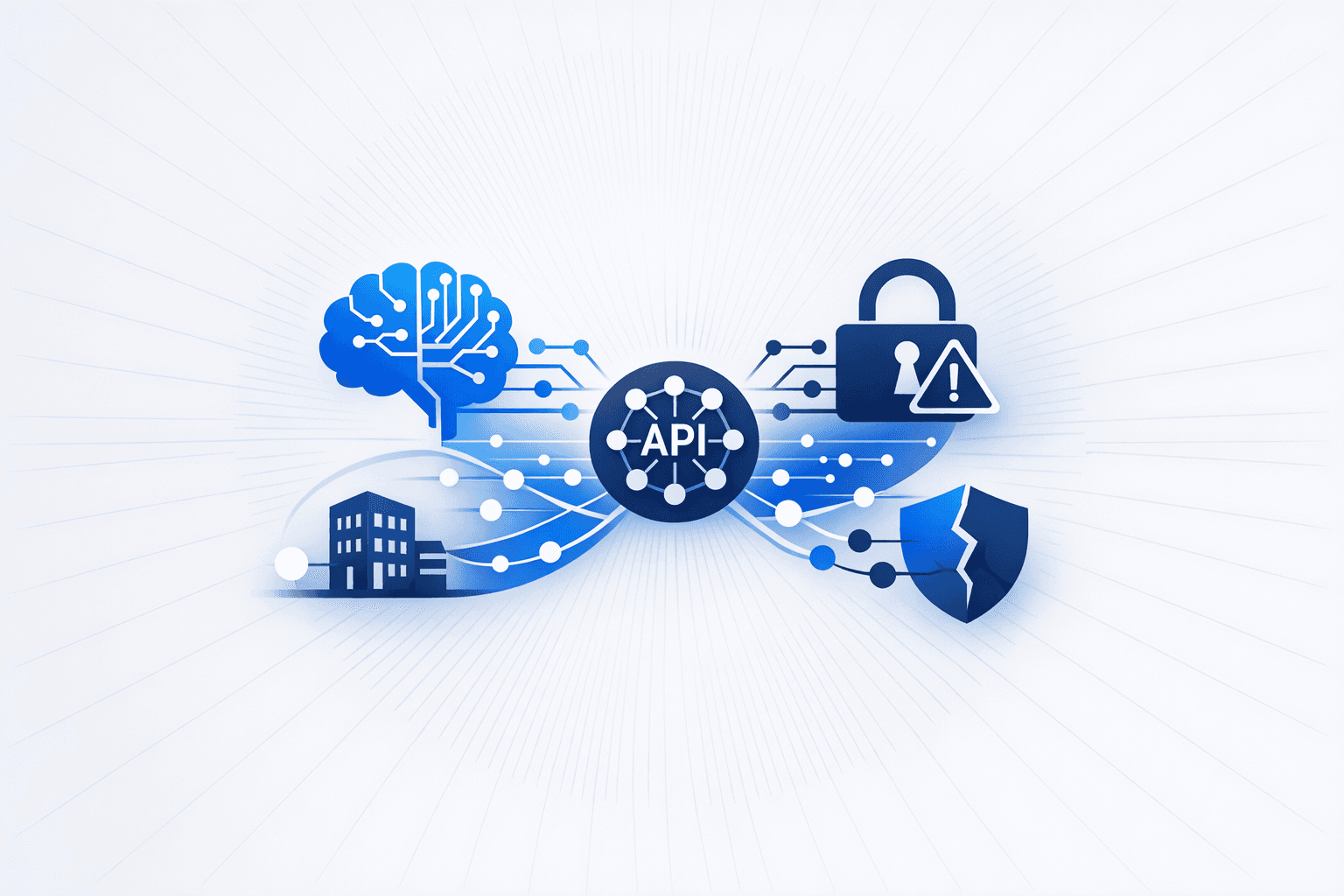
Unit 42 investigated a ransomware incident in which a human-directed threat actor used frontier AI models and attack-specific agentic frameworks to compromise an enterprise network in under 10 hours—activity assessed to resemble roughly two weeks of coordinated red-team work. After exploiting a public-facing API endpoint, the automated operation used more than 50 MITRE ATT&CK techniques to enumerate internal services, harvest repository secrets, compromise the organization’s secrets-management platform, and abuse CI/CD workflows.
The attackers used stolen cloud credentials to access the victim’s AI infrastructure and attempted to establish Terraform backdoors, although branch-protection controls blocked that persistence attempt. The operators also left an 80-page technical audit detailing the weaknesses they had exploited, underscoring how AI agents can rapidly automate established intrusion tradecraft without relying on a zero-day flaw or exceptional operator capability.
Why it matters
Impact assessment
A human-directed ransomware actor achieved enterprise-wide, root-level access in under 10 hours by automating established attack paths with AI agents. Organizations with internet-facing APIs, source-code repositories, secrets-management platforms, CI/CD systems, cloud identities, and AI services face material exposure to rapid credential theft, cloud takeover, persistence, compute abuse, and potential ransomware/extortion.
- Affected environments: enterprises operating public APIs, microservices, code repositories, secrets vaults, CI/CD pipelines, Terraform infrastructure-as-code, cloud AI endpoints, containers, and SaaS identities.
- Severity: critical. Compromise of master administrative credentials and cloud access keys can enable broad data access, destructive actions, long-term persistence, service disruption, cloud-resource theft, and ransomware/extortion impact.
- Scope: the incident involved an unnamed enterprise and no actor or malware family was identified. The underlying techniques rely on common control failures rather than a zero-day, creating broad exposure where secrets are hard-coded, CI/CD permissions are excessive, or cloud/AI credentials are weakly governed.
- Known exploitation: Unit 42 responded to a reported ransomware incident. The actor obtained root-level credentials, abused CI/CD workflows, and used victim AI infrastructure; attempted Terraform persistence was blocked by branch-protection controls.
Supporting facts
- The operation reportedly compressed activity equivalent to approximately two weeks of coordinated red-team work into less than 10 hours.
- Attackers obtained master administrative credentials from the victim's secrets-management system.
- Stolen cloud keys enabled access to and repurposing of the victim's AI infrastructure.
- The actor established overlapping persistence through SSH keys, serverless functions, container restart policies, cloud identities, and CI/CD pipelines.